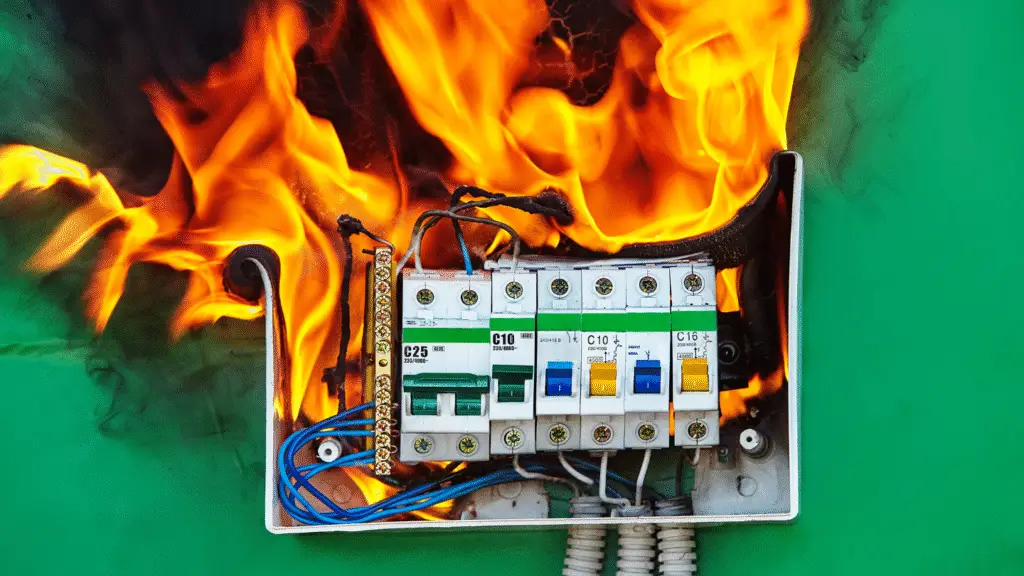
Electricity is like a loyal friend—you don’t always see it, but it’s always there, powering your Netflix binges, your morning coffee, and yes, even your Wi-Fi router. But just like any friend, electricity has its quirks. If not handled with care, those quirks can turn into dangerous risks. That’s why learning how to identify common electrical hazards at home is so important—not just for your safety, but for your peace of mind.
In this blog, we’ll share how to spot electrical dangers, what an electrical safety inspection checklist should include, and why recognizing electrical risks early can keep your home safer (and your hair a lot less frizzy).
Table of Contents
- Why Electrical Safety Matters
- The Most Common Electrical Hazards at Home
- How to Spot Electrical Dangers in Everyday Life
- Your Electrical Safety Inspection Checklist
- Recognizing Electrical Risks Before They Spark Trouble
- Professional vs. DIY: Identifying Electrical Hazards the Smart Way
- FAQs
1. Why Electrical Safety Matters
The U.S. Fire Administration reports that over 24,000 residential electrical fires occur each year, causing billions in damages. Most of these are preventable with proper awareness and maintenance. By identifying electrical hazards, you’re not just avoiding costly repairs—you’re literally protecting lives.
2. The Most Common Electrical Hazards at Home
Here’s a quick look at the red flags:
- Overloaded outlets and power strips – Plugging in a TV, PlayStation, toaster, and hair dryer into the same strip? That’s a recipe for sparks.
- Damaged cords and wires – Frayed cords aren’t just ugly; they’re dangerous. Pets love to chew them, too.
- Improperly used extension cords – Extension cords are like band-aids, not permanent fixes. If you’re using them full-time, you need more outlets.
- Old or outdated wiring – Homes built before the 1970s may still have aluminum wiring. Spoiler alert: it doesn’t age like fine wine.
- Wet areas near outlets – Water and electricity go together about as well as cats and baths.
3. How to Spot Electrical Dangers in Everyday Life
When it comes to how to spot electrical dangers, trust your senses:
- Look for scorch marks or flickering lights.
- Listen for buzzing sounds near outlets.
- Smell for burning odors—never a good sign.
- Feel outlets and switches. If they’re warm, call an electrician pronto.
4. Your Electrical Safety Inspection Checklist
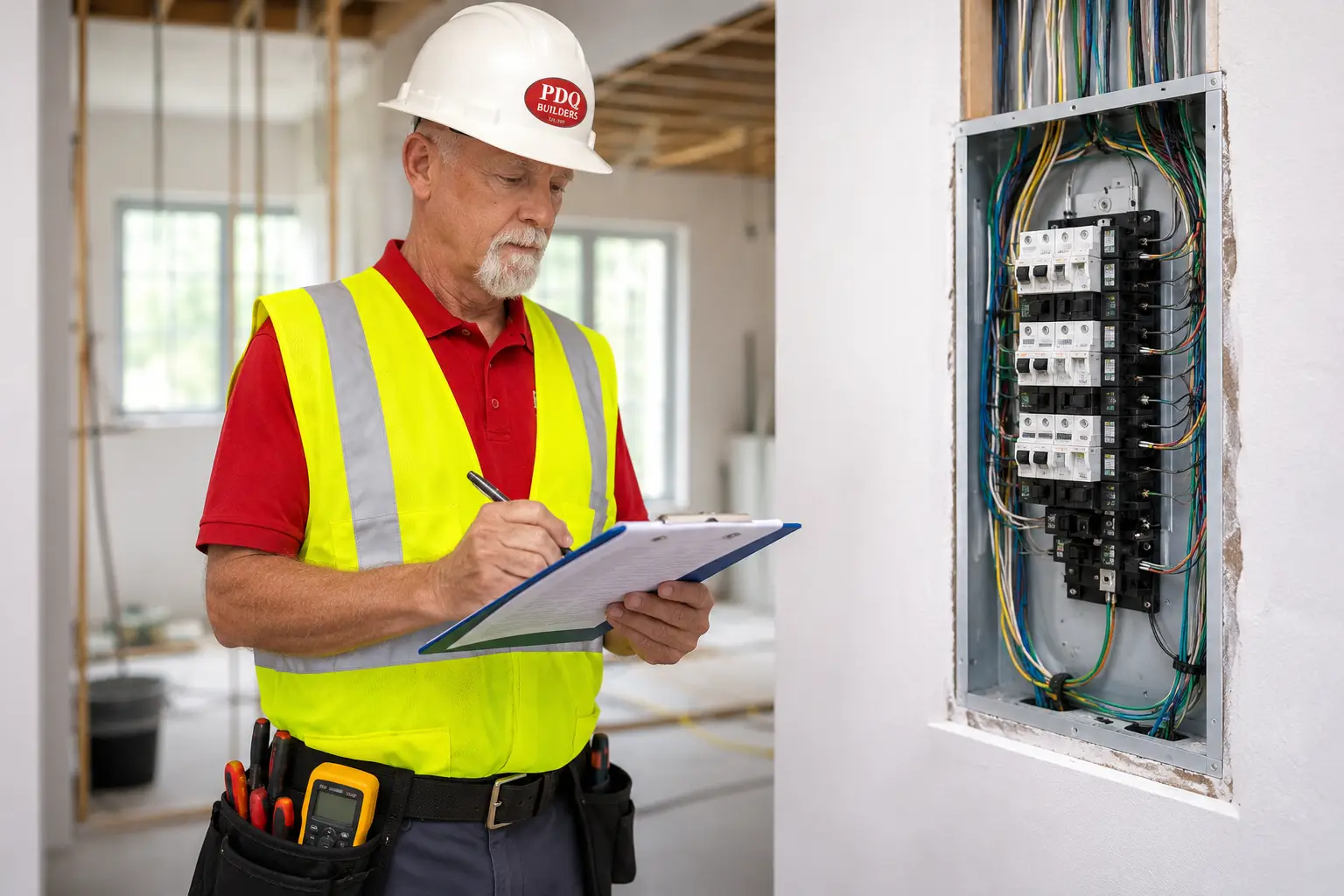
Want to play “detective” in your own home? Here’s a practical electrical safety inspection checklist:
- Check cords for frays, cracks, or chew marks.
- Test smoke detectors (bonus: change batteries every 6 months).
- Inspect outlets—are they loose or discolored?
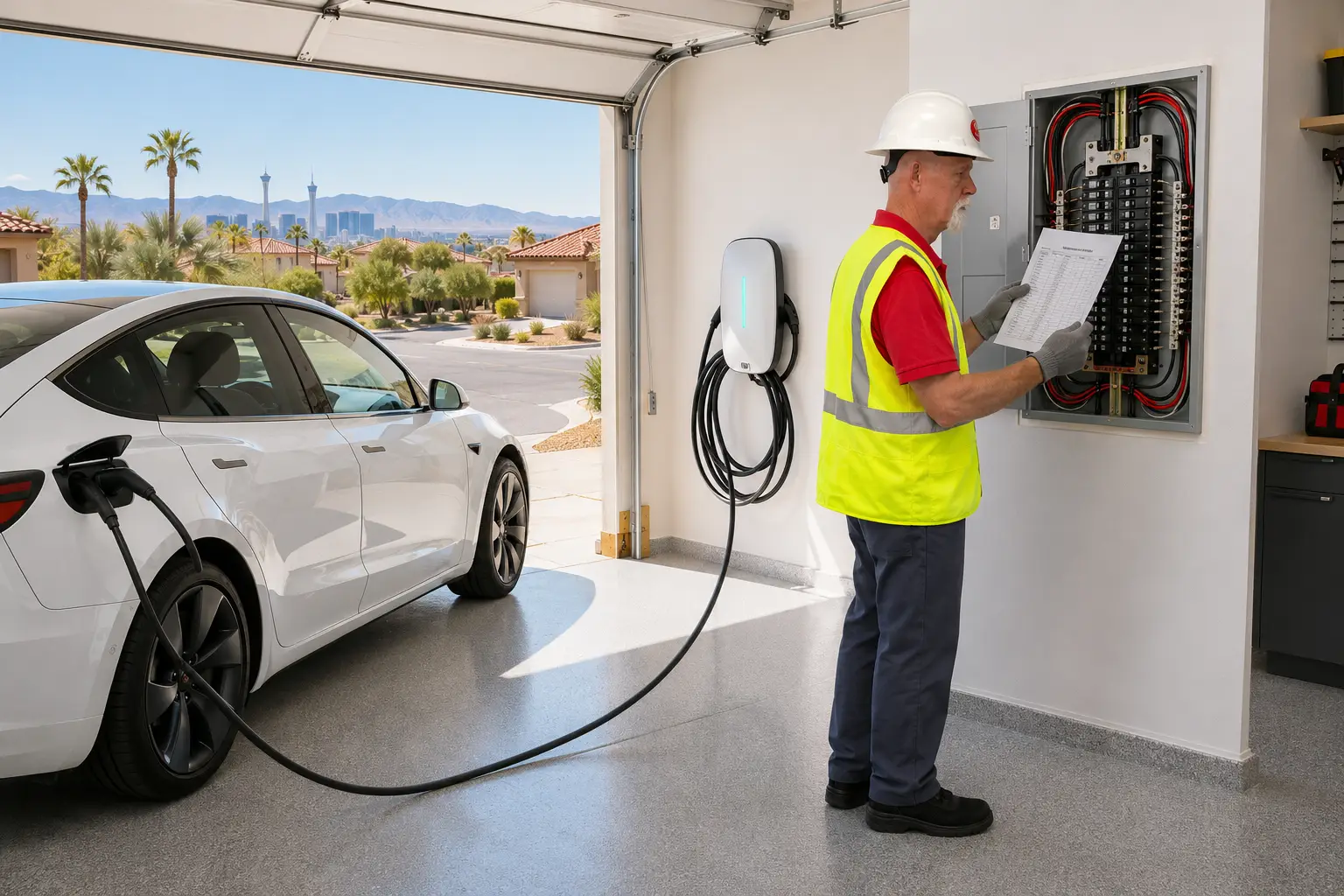
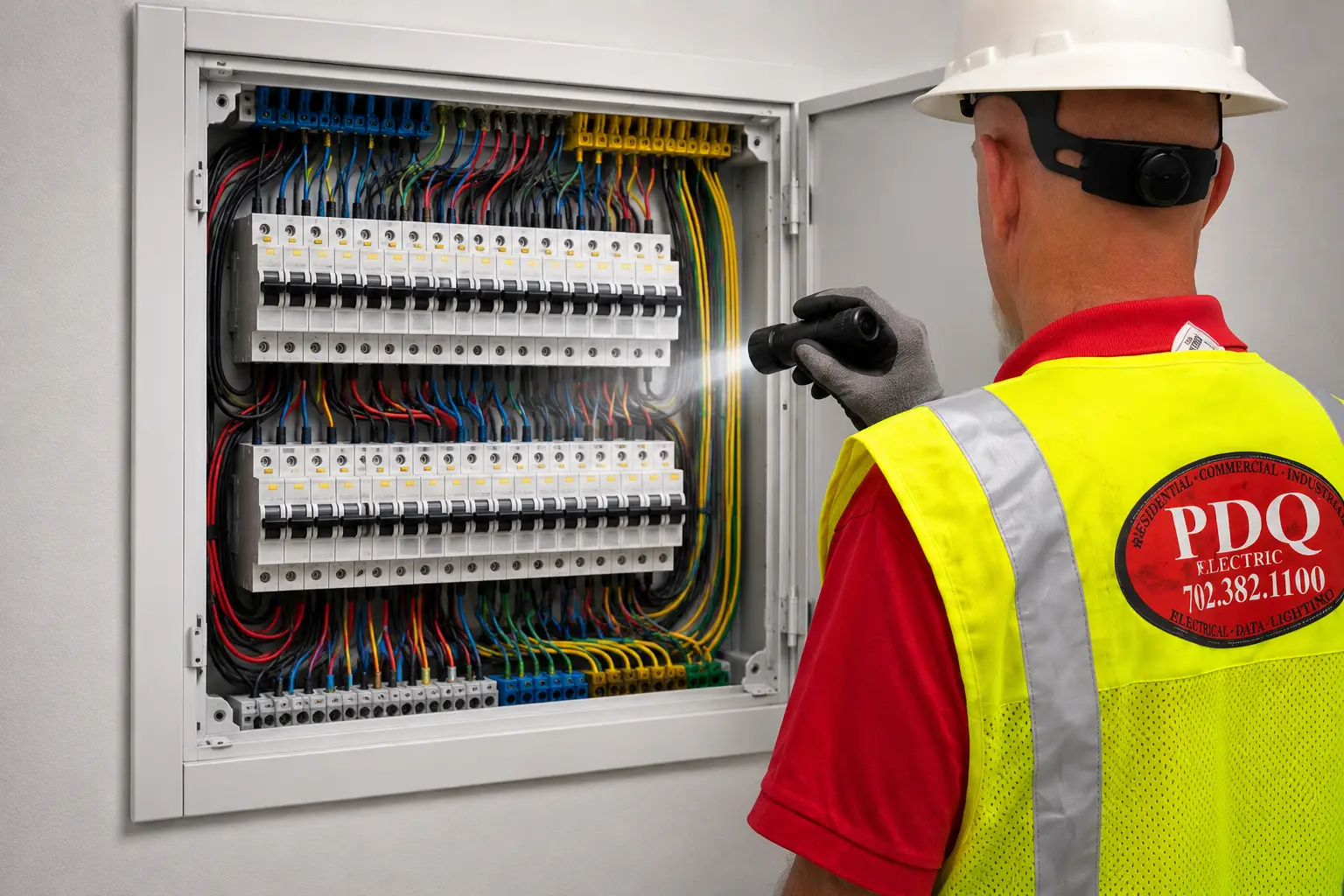
- Verify that your breaker panel is labeled correctly.
- Test GFCI outlets in bathrooms, kitchens, and garages.
- Review how many devices are on a single circuit.
If this feels overwhelming, don’t worry—PDQ Electric can do the hard work for you.
5. Recognizing Electrical Risks Before They Spark Trouble
Recognizing electrical risks means catching the small signs before they become disasters:
- Circuit breakers tripping frequently – That’s your system yelling, “Help me!”
- Appliances shocking you (literally) – A mild zap may feel funny, but it’s not a joke.
- Lights that dim when appliances run – That “romantic” flicker isn’t mood lighting; it’s a hazard.
6. Professional vs. DIY: Identifying Electrical Hazards the Smart Way
Sure, you can handle some basics. But when it comes to rewiring, replacing outlets, or anything involving your breaker panel, leave it to professionals. DIY gone wrong can cost more than calling an electrician in the first place. Think of it like cutting your own hair—you could do it, but will you like the results?
7. Frequently Asked Questions
Q1: How often should I check my home for electrical hazards?
At least once a year, but if you notice flickering lights, strange smells, or warm outlets, call right away.
Q2: What’s the most common electrical hazard at home?
Overloaded outlets and extension cords top the list.
Q3: Do older homes really have higher risks?
Yes. Outdated wiring and lack of GFCI outlets are major concerns in homes built before the 1980s.
Q4: Can I replace an outlet myself?
Technically yes, but it’s safer to let a licensed electrician handle it.
Q5: What is the easiest way to start recognizing electrical risks?
Follow a simple checklist: check cords, outlets, and breaker panels regularly, and never ignore small warning signs.
Your home should be your safe haven—not a place where sparks fly (and not the romantic kind). By learning how to identify common electrical hazards at home, using an electrical safety inspection checklist, and knowing how to spot electrical dangers, you can keep your family safe and your home hazard-free.
Ready for peace of mind? Contact PDQ Electric today for a professional inspection and let us take the “shock” out of electrical safety.