Introduction: Why Busting Electrical Safety Myths Matters
Welcome to the shocking world of electrical safety myths—where fiction can be just as dangerous as a loose wire! If you think low voltage is harmless or that hidden wiring is always safe, you’re not alone. Many folks carry around common electrical safety misconceptions that can spark accidents or even fires.
This article is here to flip the switch on those myths by diving into the truths about electrical hazards and highlighting the crucial electrical safety facts vs myths you need to know. Whether you’re a homeowner, renter, or DIY enthusiast, understanding these facts can save you from costly repairs, injuries, or worse. So, let’s get energized and bust some myths!
Table of Contents
- Common Electrical Safety Misconceptions: The Usual Suspects
- Myth 1: You Can’t Get Shocked by Low Voltage
- Myth 2: Hidden Home Wiring is Always Safe
- Myth 3: Multiple Power Strips Are Safe to Use
- Electrical Safety Facts vs. Myths: What You Need to Know
- More Common Electrical Safety Misconceptions to Avoid
- Why DIY Electrical Work Isn’t Always DIY Friendly
- The Importance of Electrical Updates in Older Homes
- Water and Electricity: The Shocking Truth
- Frequently Asked Questions (FAQs)
- Call to Action: Stay Safe with PDQ Electric
Common Electrical Safety Misconceptions: The Usual Suspects
Before we break it down, here are some of the common electrical safety misconceptions that people often believe:
- Low voltage means low risk — so no worries!
- Hidden wiring in walls is safe and maintenance-free.
- Using multiple power strips is an okay shortcut for more outlets.
- All electrical work is an easy DIY project.
- Older homes don’t need electrical upgrades.
- Water and electricity never mix — so no worries near wet areas.
Sound familiar? Let’s unravel these and see what’s really going on behind the scenes.
Myth 1: You Can’t Get Shocked by Low Voltage
Ah, the classic myth: “It’s low voltage, so it can’t hurt me.” News flash: even low voltage can deliver a painful—and potentially dangerous—shock.
Take 24 volts, for example. While it may seem harmless, it can cause injury, especially in wet conditions where your skin’s resistance drops. Maintenance workers have been shocked by “safe” low-voltage circuits before—ouch!
The truth: No voltage level is completely safe. Always treat electrical systems with respect and caution.
Myth 2: Hidden Home Wiring is Always Safe
Just because you can’t see it doesn’t mean it’s safe! Myths about home wiring often include the idea that if wiring is tucked away behind walls, it’s in tip-top shape forever.
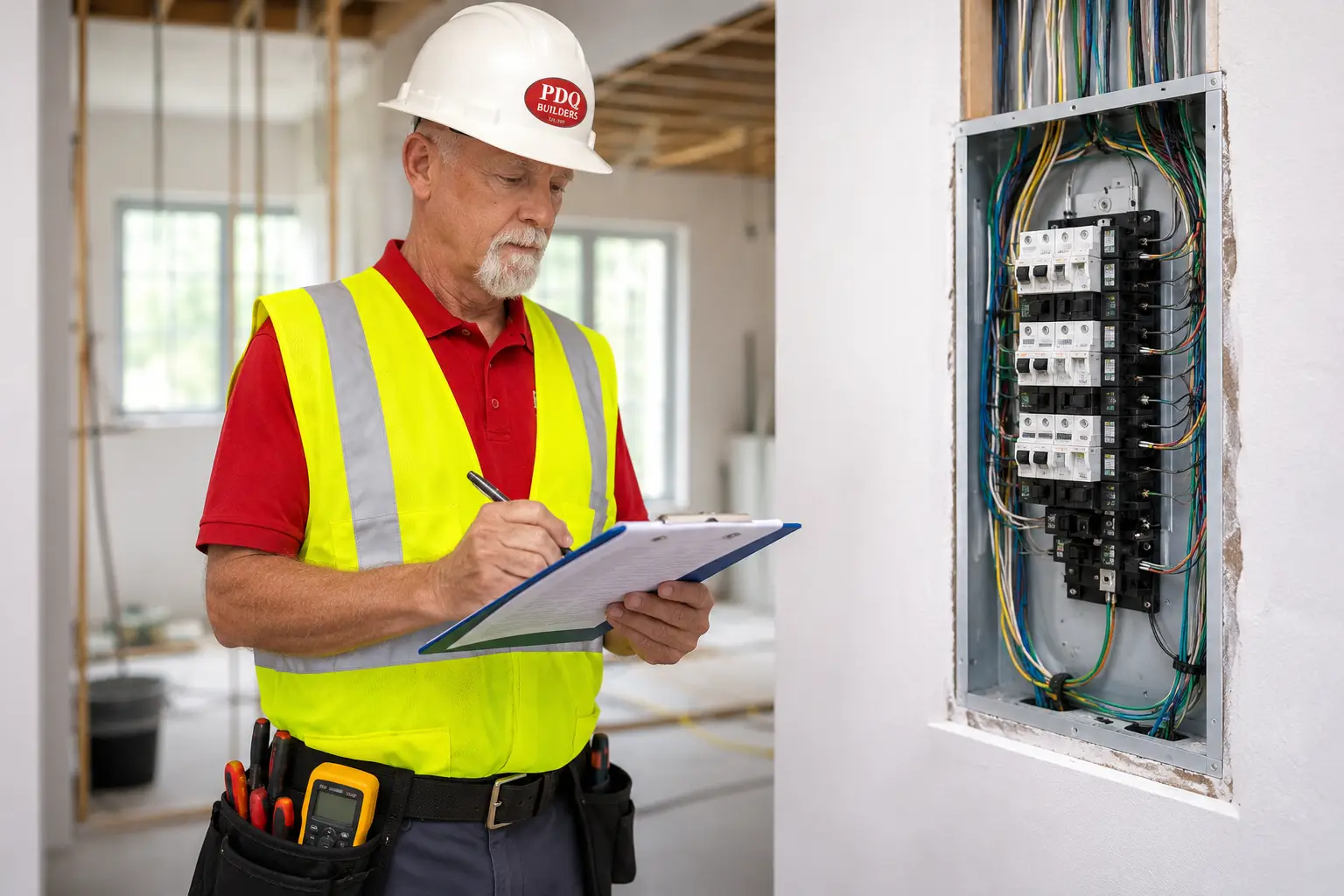
Reality check: Wiring ages, insulation degrades, and pests can chew through wires. Hidden wiring can cause short circuits or even electrical fires if ignored.
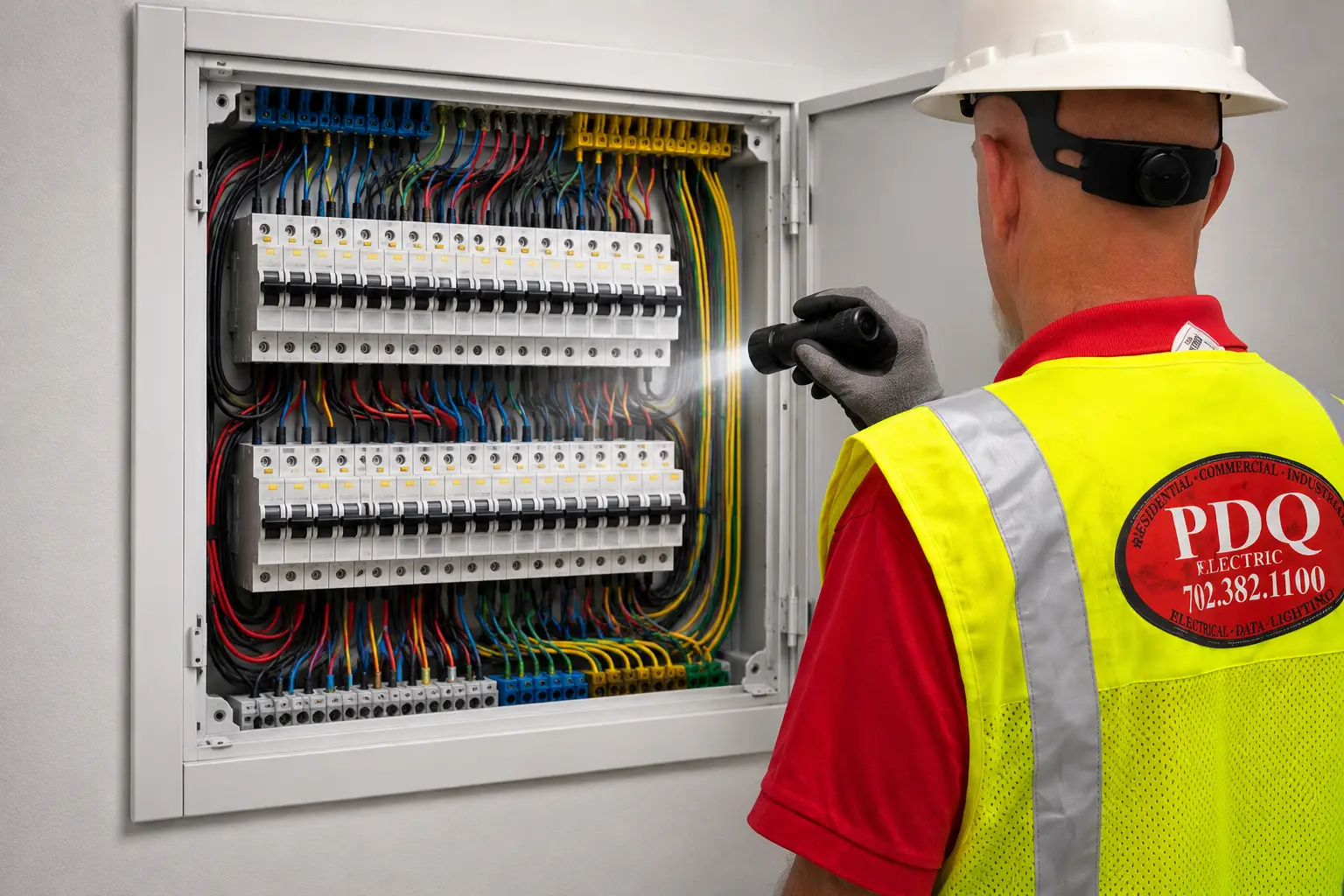
The solution: Regular inspections and maintenance by a licensed electrician keep your home wiring safe and code-compliant.
Myth 3: Multiple Power Strips Are Safe to Use
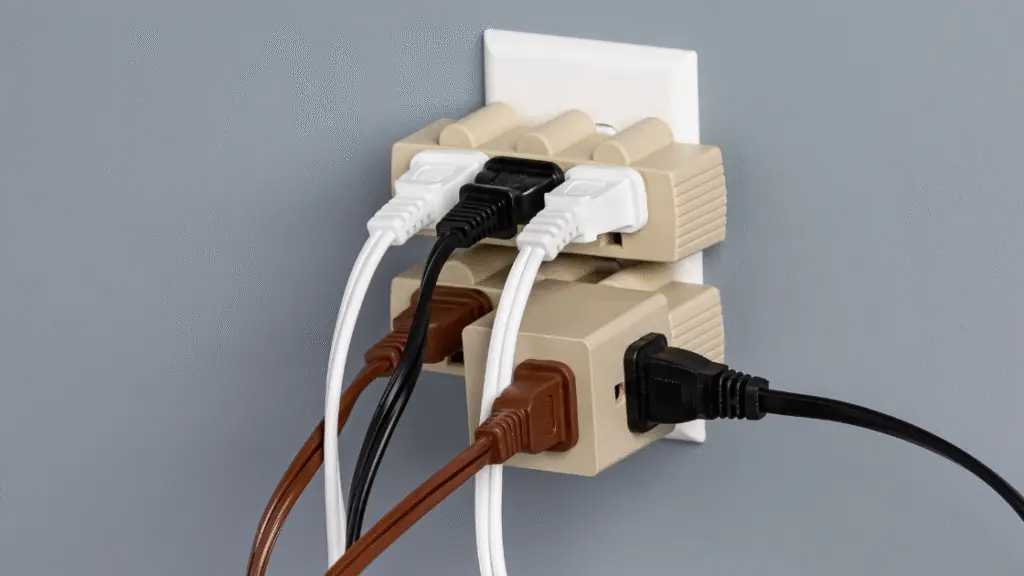
“More power strips = more outlets = no problem!” Wrong! Daisy-chaining power strips or plugging many high-wattage devices into one outlet can overload circuits and spark fires.
The truth: Use power strips sparingly and never link them together. If you need more outlets, call PDQ Electric for a safe electrical upgrade.
Electrical Safety Facts vs. Myths: What You Need to Know
Here are some critical facts to keep your electrical game strong:
- Ground Fault Circuit Interrupters (GFCIs) save lives by cutting power when electrical flow becomes uneven, especially in wet areas. They’re not optional—they’re essential.
- Circuit breakers and fuses protect your home by stopping electrical flow during overloads or short circuits. Resetting breakers without fixing issues? Not smart—call a pro!
- Electrical fires cause around 51,000 incidents yearly in the U.S., often due to outdated wiring or improper use of electrical devices. Stay ahead by following safety codes and inspections.
More Common Electrical Safety Misconceptions to Avoid
Misconception 1: All Electrical Work is DIY
Electrics aren’t always a simple weekend project. Mistakes can cause shocks, fires, or code violations. Leave complex or high-risk electrical jobs to professionals.
Misconception 2: Older Homes Don’t Need Electrical Updates
Older homes often have outdated wiring and lack modern safety devices like GFCIs. Keeping old wiring can invite trouble. Upgrade for peace of mind!
Misconception 3: Water and Electricity Don’t Mix — So No Worries
Water conducts electricity, making wet environments extra hazardous. Use GFCIs in bathrooms and kitchens and avoid touching electrical devices with wet hands.
Why DIY Electrical Work Isn’t Always DIY Friendly
We get it—DIY feels empowering. But electrical work involves more than just twisting wires together. It requires knowledge of codes, safety standards, and sometimes permits.
One wrong move can lead to serious injury or void your home insurance. When in doubt, call a pro like PDQ Electric to handle electrical upgrades or repairs safely.
The Importance of Electrical Updates in Older Homes
Vintage charm is great, but old wiring? Not so much. Many older homes still run on aluminum wiring or outdated knob-and-tube systems that don’t meet today’s safety standards.
Electrical panels may be undersized, increasing fire risk. Get a licensed electrician to inspect and upgrade your home’s electrical system to keep your family safe and your insurance valid.
Water and Electricity: The Shocking Truth
Everyone’s heard “don’t mix water and electricity,” but some forget just how dangerous it really is. Moisture can cause corrosion and short circuits, and wet skin lowers resistance to electric shock.
Always install GFCIs in wet zones and stay cautious when handling electrical devices near water. This small step can save lives.
Frequently Asked Questions (FAQs)
Q1: Can I safely use extension cords instead of adding outlets?
A: Extension cords are temporary solutions only. For permanent use, add outlets to avoid overload and tripping hazards.
Q2: How often should home electrical wiring be inspected?
A: Every 3–5 years is ideal, or immediately if you notice flickering lights, frequent breaker trips, or burning smells.
Q3: What are the signs of faulty wiring?
A: Flickering lights, buzzing sounds, burning smells, outlets that feel warm, or frequent breaker trips are red flags.
Q4: Are GFCIs really necessary?
A: Absolutely! They prevent deadly shocks in wet areas and are required by code in bathrooms, kitchens, garages, and outdoors.
Q5: What should I do if a breaker keeps tripping?
A: Don’t just reset it repeatedly. It means there’s an electrical problem. Call PDQ Electric for diagnosis and repair.
Call to Action: Stay Safe with PDQ Electric
Don’t let electrical safety myths put you or your family at risk! When it comes to electrical hazards, knowledge is power — but professional expertise is the real lifesaver. Whether you need a home wiring inspection, electrical upgrades, or emergency repairs, PDQ Electric has got your back with fast, reliable, and friendly service in Las Vegas.
Contact PDQ Electric today to schedule your electrical safety check or repair, and keep your home safely powered without the myths or mayhem!