Don’t Let Hidden Electrical Issues Shock You
Buying a home is exciting, until you discover electrical problems hiding behind the walls (or worse, inside the panel). That’s where a thorough home electrical inspection checklist becomes your best friend.
One of the most overlooked (yet critical) red flags? Double tapped breaker signs. These seemingly small issues can signal unsafe wiring, potential fire hazards, or DIY electrical work gone wrong.
In this guide, PDQ Electric walks you through exactly what to look for, from panel photos to safety documentation, so you can make a confident, informed home purchase.
Why Electrical Inspections Matter Before Buying a Home
Electrical systems are the backbone of a safe and functional home. Unfortunately, many issues aren’t visible during a casual walkthrough.
A proper inspection helps you:
- Identify safety hazards before they become costly problems
- Avoid insurance complications
- Negotiate repairs or pricing with the seller
- Ensure the home meets modern electrical standards
Skipping this step can lead to unexpected repairs that cost thousands, and in worst cases, dangerous living conditions.
Understanding Double Tapped Breaker Signs
Let’s start with one of the most common issues found in electrical panels.
What Is a Double Tapped Breaker?
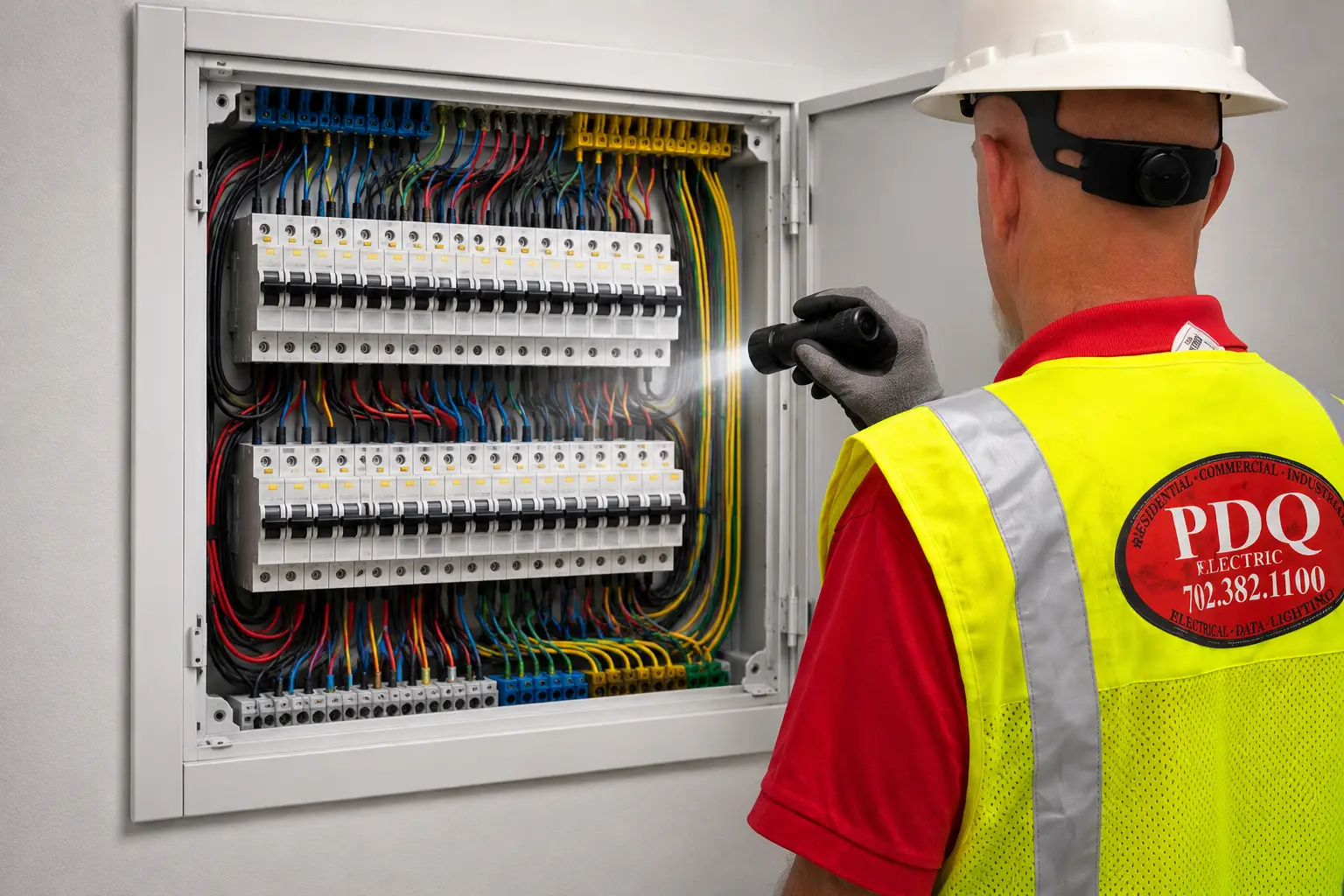
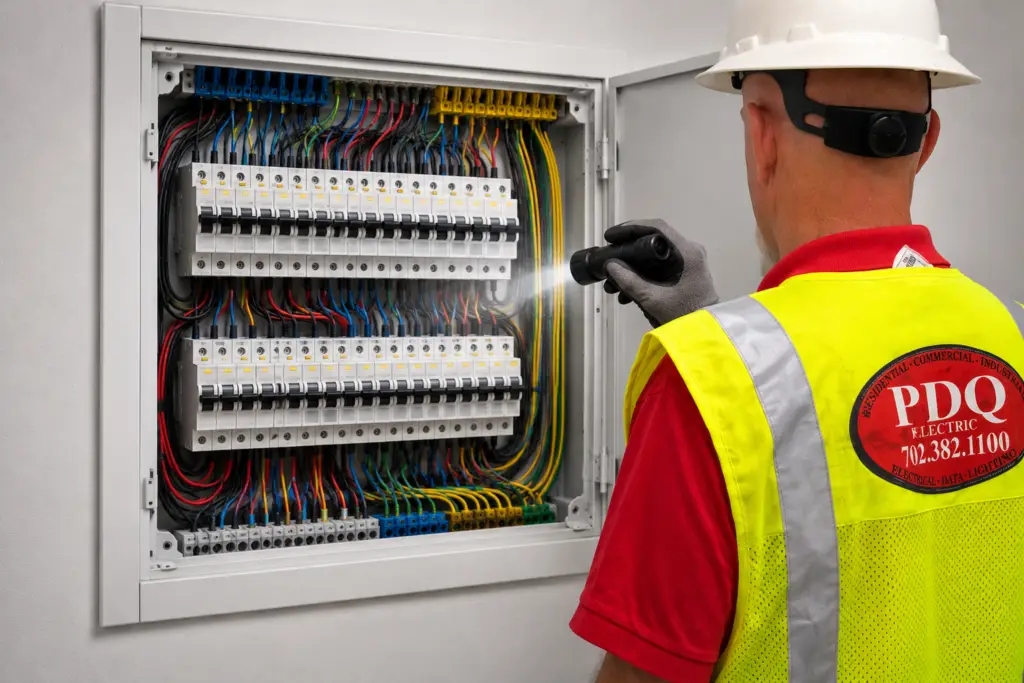
A double tapped breaker occurs when two wires are connected to a breaker designed for only one. While it might seem like a harmless shortcut, it can lead to overheating and electrical failure.
Common Double Tapped Breaker Signs
Watch for these indicators:
- Two wires secured under a single breaker terminal
- Loose or improperly secured wires
- Breakers labeled inconsistently or not at all
- Evidence of overcrowded panel wiring
Why It’s Dangerous
Double tapping can cause:
- Overheating of the breaker
- Arcing or sparking
- Increased fire risk
- Circuit instability
In short: it’s a small detail with big consequences.
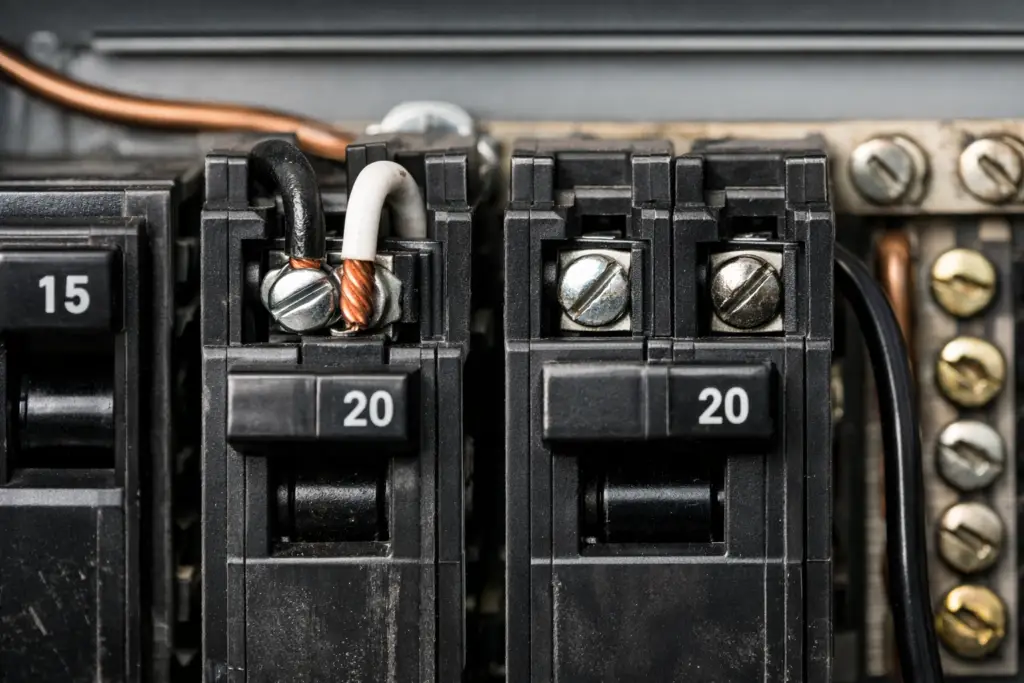
Your Complete Home Electrical Inspection Checklist
When evaluating a property, use this structured checklist to ensure nothing gets missed.
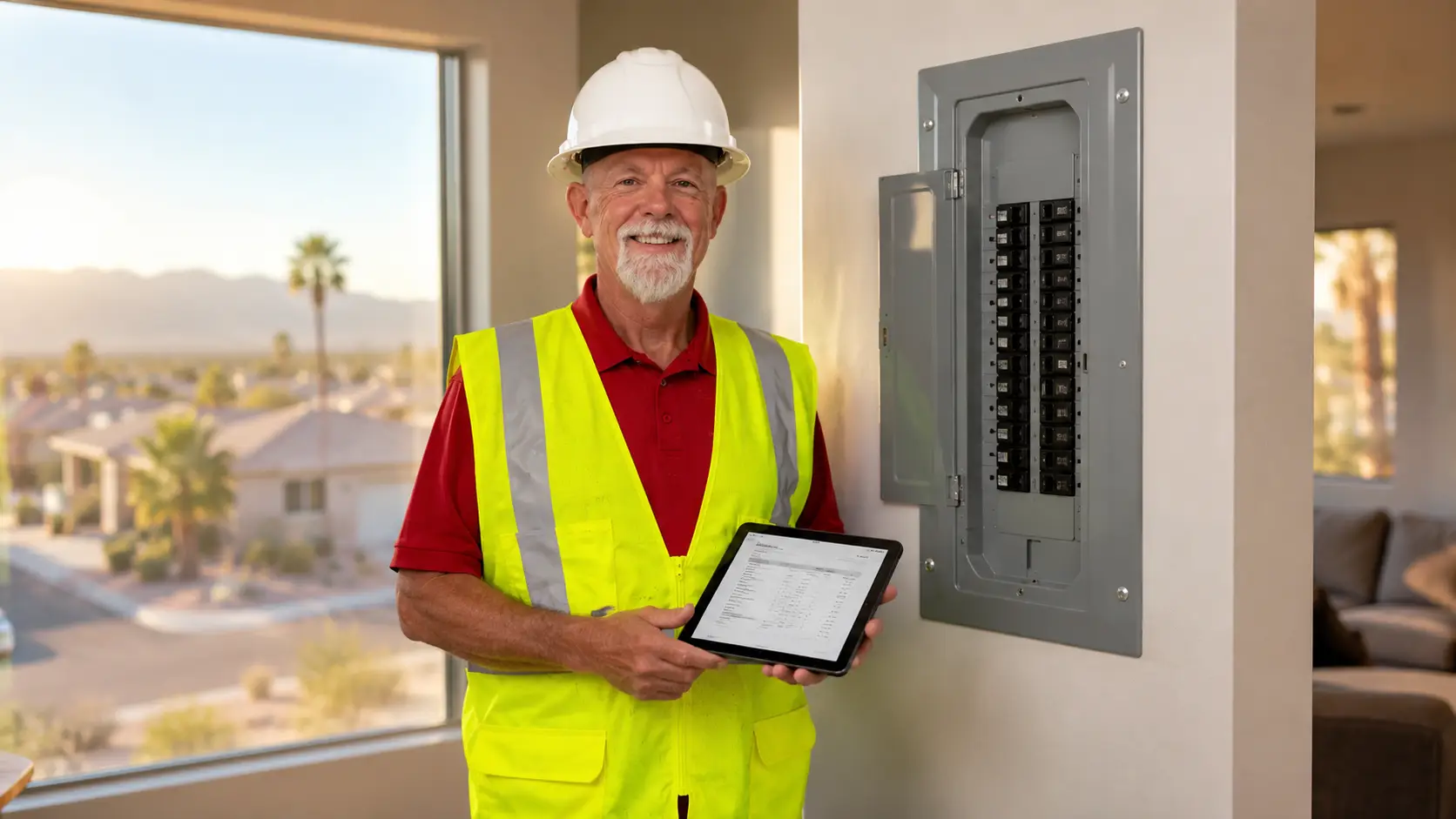
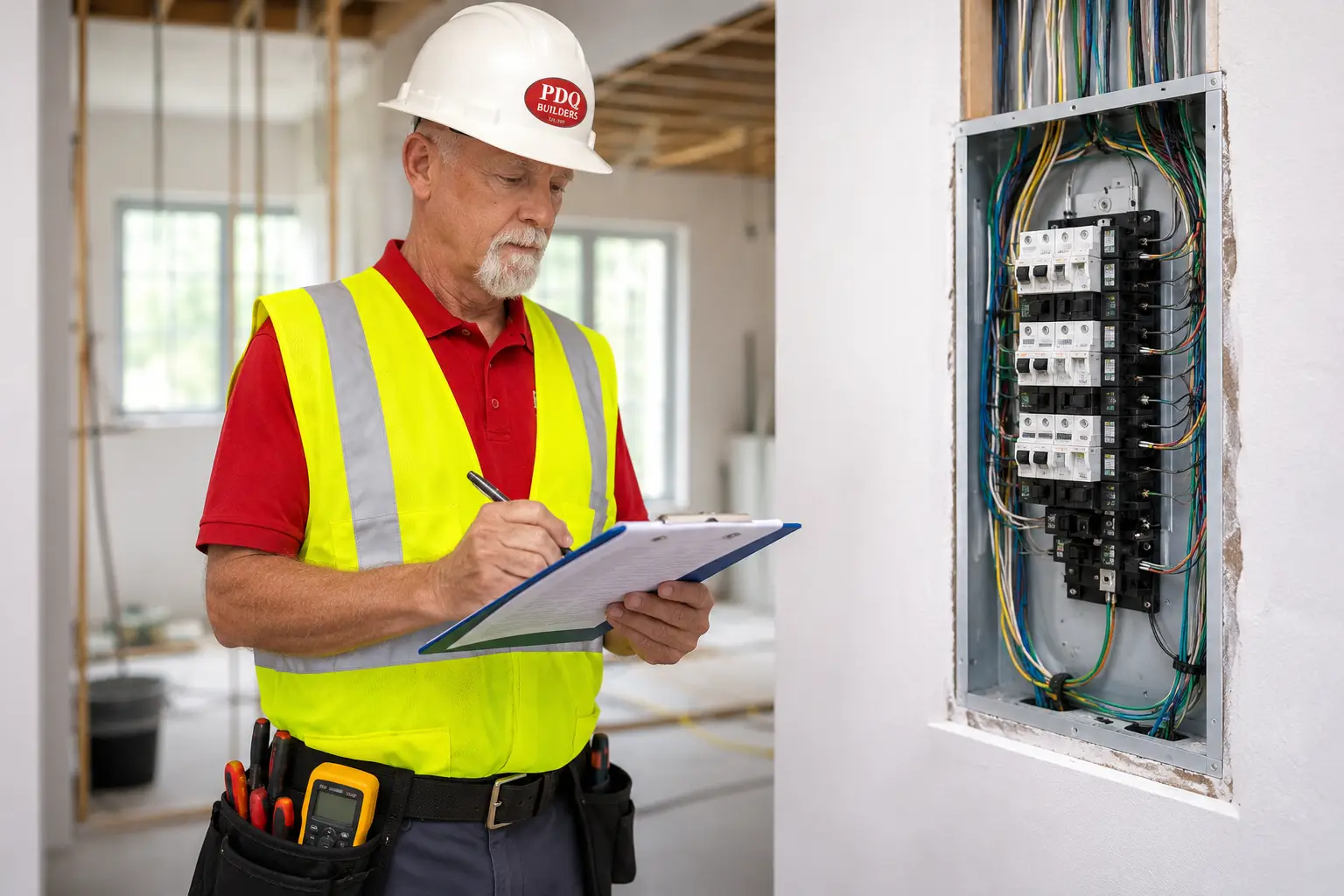
1. Electrical Panel Inspection
The panel is the heart of the system, start here.
Check for:
- Signs of double tapped breaker issues
- Proper labeling of circuits
- No rust, corrosion, or burn marks
- Adequate panel capacity (100–200 amps typical)
- Manufacturer recalls or outdated panels
Pro Tip: Always take clear panel photos for documentation and later review.
2. Grounding System Visual Inspection
A proper grounding system visual inspection ensures excess electricity has a safe path away from your home.
Look for:
- Grounding rods properly installed outside
- Secure grounding wires connected to the panel
- No loose or disconnected grounding conductors
Poor grounding can lead to shock hazards and equipment damage.
3. Wiring and Outlet Evaluation
Inspect visible wiring and outlets throughout the home.
Key things to check:
- Two-prong outlets (may indicate outdated wiring)
- Loose outlets or switches
- Flickering lights
- Warm or discolored outlet covers
- GFCI outlets in kitchens, bathrooms, and outdoors
4. Permit History Request from Homeowner
Always request the permit history from the homeowner.
Why it matters:
- Confirms electrical work was done legally
- Ensures inspections were completed
- Helps identify unpermitted DIY work
If the seller can’t provide documentation, consider it a red flag.
5. Electrical Safety Report Checklist
A professional electrician should provide an electrical safety report checklist after inspection.
This report typically includes:
- Code violations
- Immediate safety concerns
- Recommended upgrades
- Estimated repair costs
Having this document gives you leverage during negotiations and peace of mind after purchase.
Real-World Example: A Costly Oversight
A recent homebuyer skipped a detailed inspection and relied on a basic walkthrough. The electrical panel looked “fine” at first glance.
After moving in, they discovered:
- Multiple double tapped breakers
- No grounding system
- Unpermitted wiring additions
The result? Over $6,000 in repairs, plus weeks of inconvenience.
A simple inspection checklist could have prevented it all.
Common Electrical Red Flags Buyers Should Never Ignore
Keep an eye out for these warning signs:
- Buzzing sounds from the panel
- Frequently tripping breakers
- Extension cords used as permanent solutions
- Outdated fuse boxes instead of breaker panels
- Burning smells or scorch marks
If you notice any of these, bring in a licensed electrician immediately.
How Panel Photos Help Protect You
Taking detailed panel photos isn’t just helpful, it’s essential.
Benefits include:
- Easy sharing with electricians for remote evaluation
- Documentation for negotiations
- Proof of pre-existing conditions
Make sure your photos capture:
- The entire panel
- Close-ups of breakers
- Any visible wiring issues
When to Call a Professional Electrician
While a checklist helps, nothing replaces expert eyes.
Call a licensed electrician if:
- You spot double tapped breaker signs
- The panel looks outdated or overloaded
- Documentation is missing or unclear
- You want a full safety evaluation
Professional inspections ensure nothing slips through the cracks.
Frequently Asked Questions
What are double tapped breaker signs I should look for?
Look for two wires connected to a single breaker, loose wiring, or overcrowded panels. These are clear indicators of unsafe installation.
Is a double tapped breaker always a code violation?
In most cases, yes, unless the breaker is specifically rated for two conductors (which is rare).
What is included in a home electrical inspection checklist?
It includes panel inspection, grounding verification, outlet checks, permit history review, and a full electrical safety report.
Can I inspect the electrical system myself?
You can perform a basic visual check, but a licensed electrician should handle a full inspection.
Why is grounding system inspection important?
Proper grounding prevents shocks, protects appliances, and ensures overall system safety.
Make Your Home Purchase a Safe Investment
Buying a home without checking the electrical system is like buying a car without looking under the hood, it’s a gamble.
By following this home electrical inspection checklist and watching for double tapped breaker signs, you’ll avoid costly surprises and ensure your new home is safe from day one.
Ready for Peace of Mind?
Don’t leave your home’s safety to chance.Contact PDQ Electric today for a professional inspection and detailed electrical safety report. Our experienced team will make sure your future home is safe, compliant, and move-in ready.