Is Surge Protection Really Worth It?
You probably don’t think about power surges, until your TV, fridge, or home office equipment suddenly stops working. Then it becomes very real, very fast… and very expensive.
That’s where understanding the return on investment surge protector home solutions provide becomes crucial. Should you install a whole-home surge protector? Are plug-in protectors enough? Or do you need both?
Let’s break it down in a way that actually makes sense, cost, placement, and real ROI, so you can protect your home and your wallet.
What Causes Power Surges in the First Place?
Before diving into solutions, it helps to understand the problem.
Power surges can come from:
- Lightning strikes (the dramatic culprit)
- Utility grid switching
- Downed power lines
- Large appliances cycling on/off (HVAC systems, refrigerators)
- Faulty or outdated wiring
Here’s the kicker: most surges are small, frequent, and happen inside your home, not from lightning.
Over time, these mini-surges quietly degrade your electronics… until they fail.
Whole-Home Surge Protection: The Big Picture Defense
What Is It?
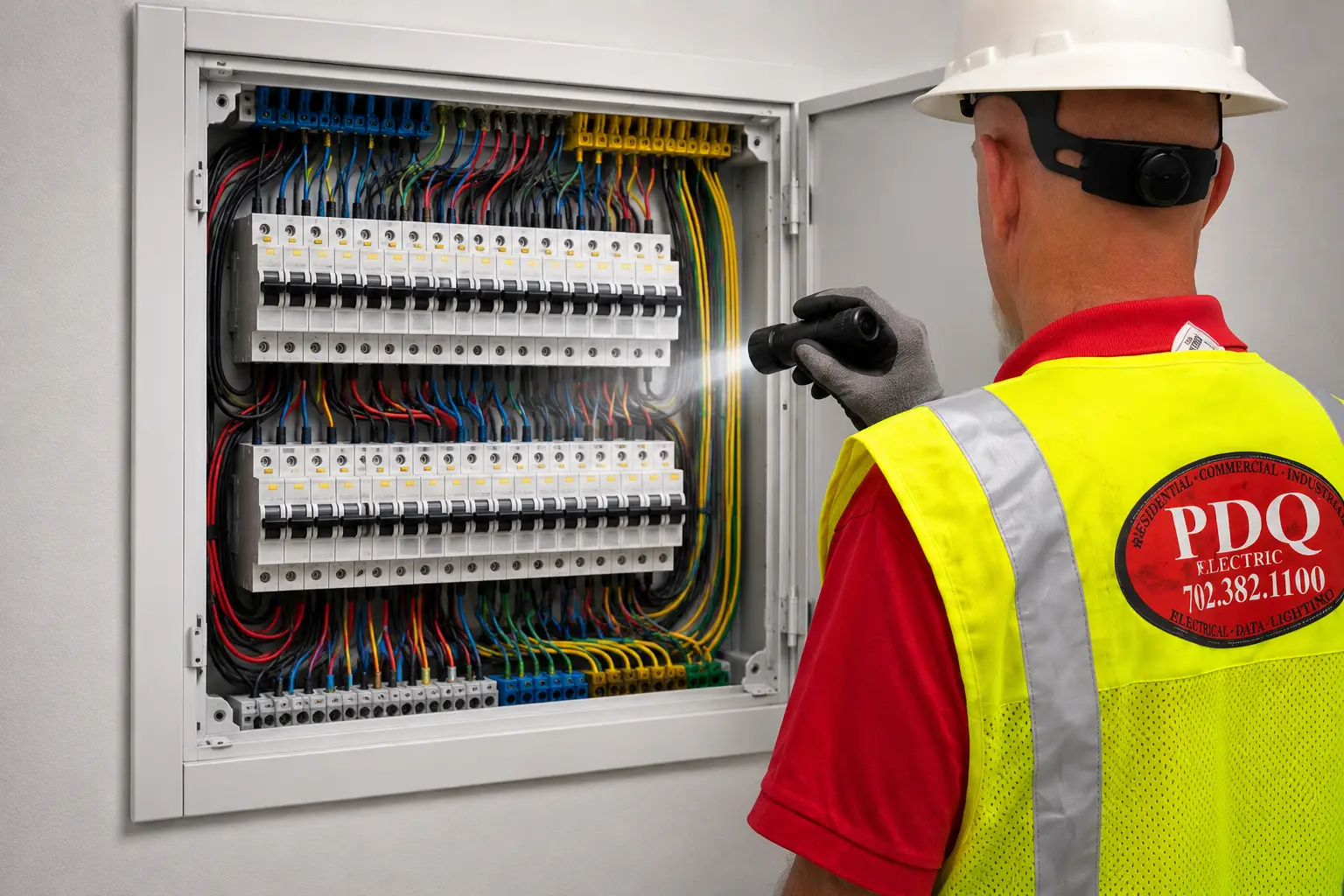
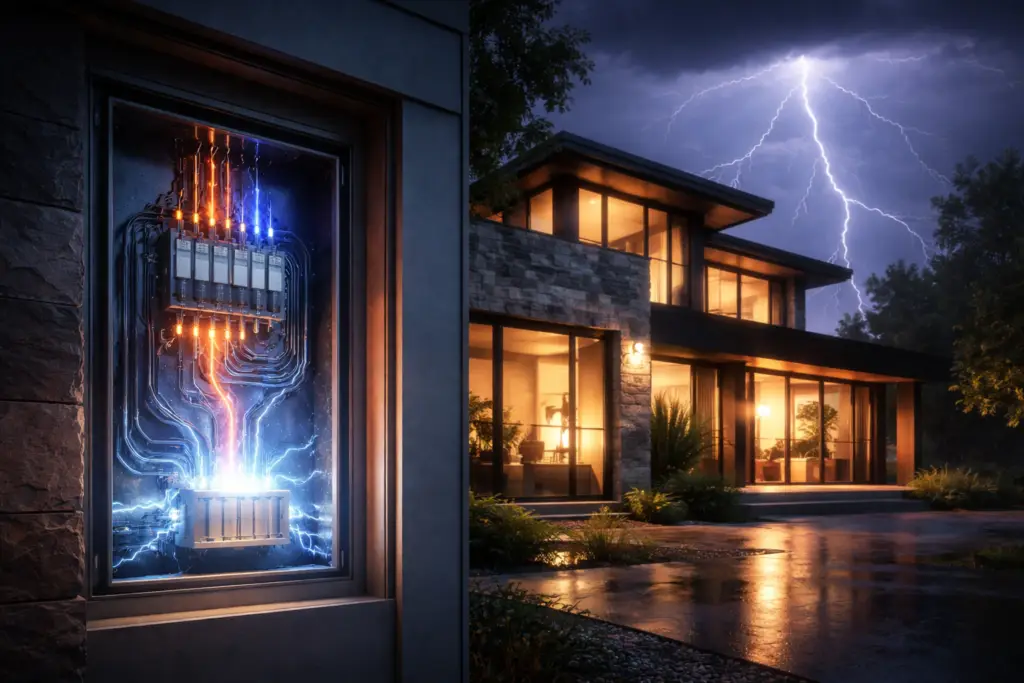
A whole-home surge protector is installed directly at your electrical panel. It acts as the first line of defense, blocking excess voltage before it enters your home’s circuits.
Panel Mounted Surge Protector Benefits
The panel mounted surge protector benefits are significant:
- Protects all circuits in your home
- Stops large external surges at the source
- Extends lifespan of appliances and electronics
- Reduces risk of electrical fires
- Low maintenance once installed
Best Place to Install Surge Protector in Home (Whole-Home)
The best place to install surge protector in home systems like this is:
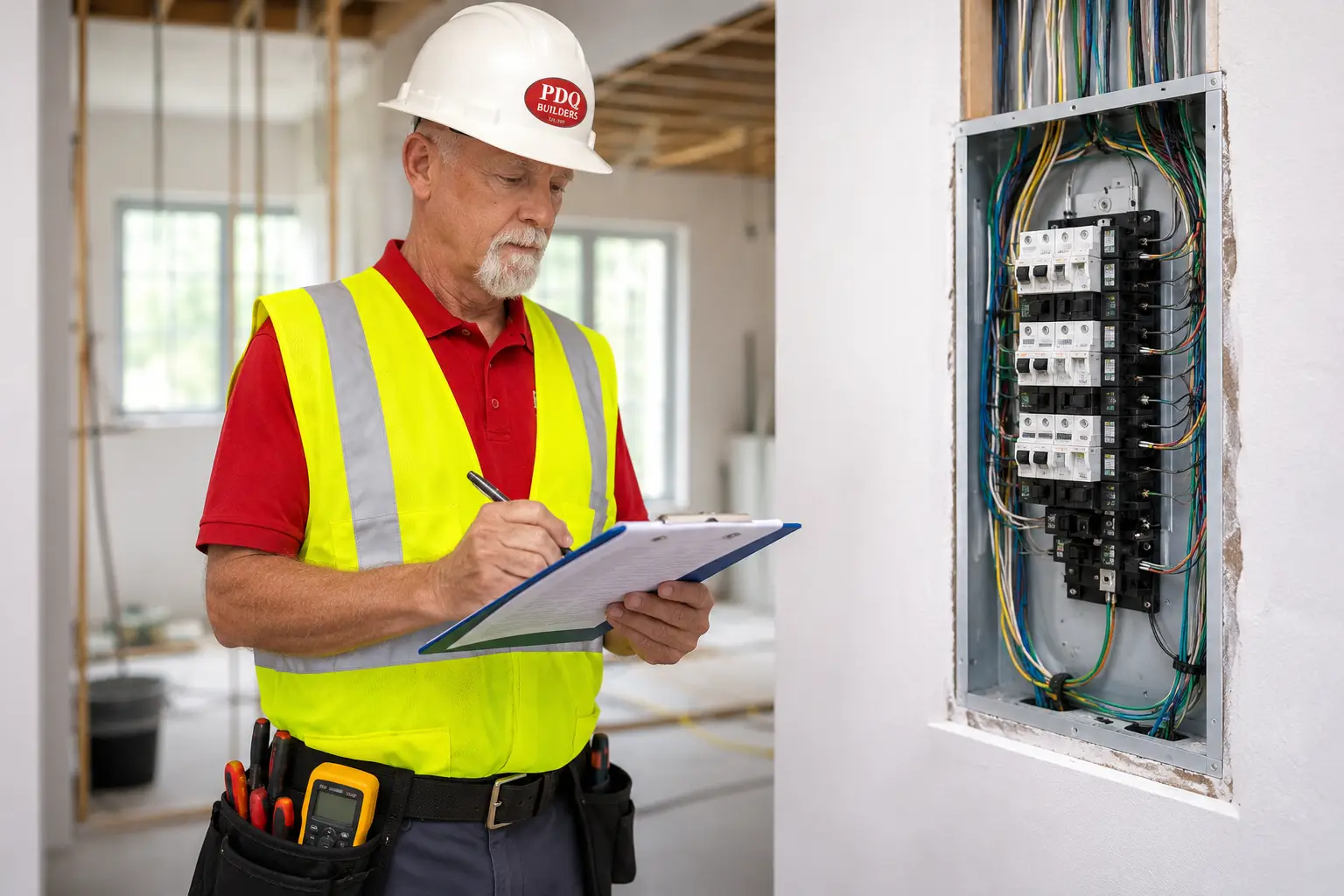
- At the main electrical panel
- Installed by a licensed electrician (like PDQ Electric)
This placement ensures maximum coverage, everything downstream is protected.
Cost Breakdown
- Equipment: $100–$300
- Installation: $150–$500
- Total: ~$250–$800
ROI: Is It Worth It?
Let’s do a quick reality check:
- Average cost of replacing a refrigerator: $1,500+
- HVAC system repair: $5,000+
- Home electronics (TVs, computers, etc.): $2,000–$10,000+
A single surge event can exceed the cost of installation.
ROI verdict: Extremely high. One avoided incident can pay for the system multiple times over.
Point-of-Use Surge Protectors: Targeted Protection
What Are They?
These are the plug-in surge protectors you use for:
- TVs
- Computers
- Gaming systems
- Office equipment
Point of Use Surge Protector Pros Cons
Let’s break it down clearly.
Pros:
- Affordable ($15–$100)
- Easy to install (plug and play)
- Great for sensitive electronics
- Adds extra layer of protection
Cons:
- Limited coverage (only protects what’s plugged in)
- Doesn’t stop large external surges
- Can wear out over time
- Often misunderstood as “complete protection”
Best Place to Install Surge Protector in Home (Point-of-Use)
The best place to install surge protector in home setups using plug-in devices includes:
- Home office setups
- Entertainment centers
- Bedrooms with expensive electronics
- Kitchen counters (for small appliances)
Think of these as your second line of defense.
Whole-Home vs Point-of-Use: Which One Wins?
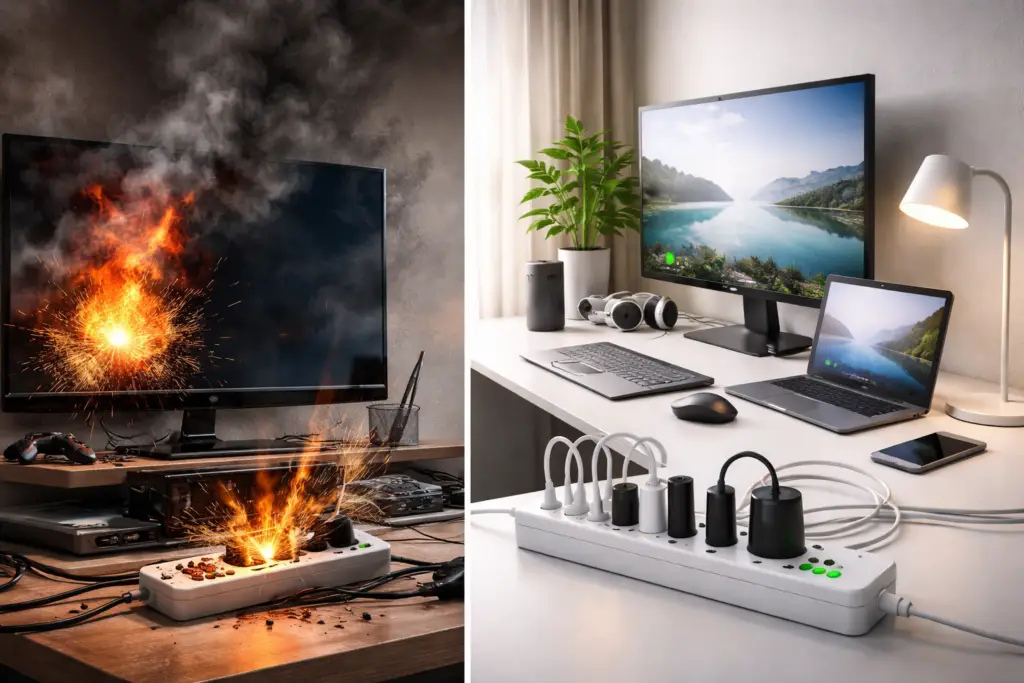
Here’s the honest answer: it’s not a competition, it’s a partnership.
Whole-Home Surge Protector:
- Stops big surges at entry point
- Protects entire electrical system
Point-of-Use Protectors:
- Handle leftover voltage
- Protect sensitive electronics at the outlet level
Best Strategy: Layered Protection
The smartest homeowners combine both:
- Whole-home surge protector at the panel
- Point-of-use protectors for valuable electronics
This layered approach provides maximum protection and maximum ROI.
Real-World Example: The Hidden Cost of Doing Nothing
Let’s say a homeowner skips surge protection.
Over 3–5 years, they experience:
- Laptop failure: $1,200
- TV damage: $800
- Microwave replacement: $400
Total: $2,400 in losses
Now compare that to:
- Whole-home system: ~$500
- Point-of-use protectors: ~$150
Total investment: ~$650
Savings: $1,750+
That’s a clear return on investment surge protector home owners can’t ignore.
How to Choose the Right Setup for Your Home
Here’s a simple framework:
Step 1: Assess Your Risk
- Do you live in a storm-prone area?
- Is your home older?
- Do you have expensive electronics?
If yes to any of these → You need surge protection.
Step 2: Start with Whole-Home Protection
This gives you the biggest ROI and broadest coverage.
Step 3: Add Point-of-Use Protection
Focus on:
- Computers
- TVs
- Smart home devices
- Work-from-home setups
Step 4: Professional Installation Matters
Improper installation reduces effectiveness.
Working with experienced electricians like PDQ Electric ensures:
- Correct placement
- Code compliance
- Optimal performance
Common Myths About Surge Protection
“Power strips are enough”
Not true. Most power strips are not surge protectors.
“Lightning is the only risk”
Most surges are internal and happen daily.
“It’s too expensive”
Compared to replacement costs, surge protection is a bargain.
“I’ll deal with it later”
Unfortunately, surges don’t wait for convenient timing.
Frequently Asked Questions (FAQ)
How long do surge protectors last?
- Whole-home: 5–10 years
- Point-of-use: 2–5 years (depending on usage)
Can a surge protector stop lightning?
It can’t guarantee full protection from a direct strike, but it significantly reduces damage.
Do I need both types?
Yes. A layered system offers the best protection and ROI.
Is installation complicated?
Whole-home systems require a licensed electrician. Plug-in protectors are simple DIY.
What’s the biggest mistake homeowners make?
Relying only on cheap power strips and assuming they’re protected.
Protect Your Home the Smart Way
At the end of the day, surge protection isn’t just about electronics, it’s about avoiding stress, unexpected costs, and disruptions to your daily life.
If you want a deeper dive into protecting your devices, check out this helpful resource.
Ready to Protect Your Investment?
If you’re serious about maximizing your return on investment surge protector home setup, it’s time to take action.
Don’t wait for the next surge to make the decision for you.Contact PDQ Electric today and get expert guidance on the best surge protection strategy for your home.