Your Home Has More Electronics Than Ever (And They’re All Vulnerable)
If your home feels like it runs on electricity… That’s because it does. From smart TVs and Wi-Fi routers to refrigerators, EV chargers, and home offices, modern homes are packed with sensitive electronics. And here’s the uncomfortable truth: one unexpected power surge can take them all out in seconds.
That’s why protecting home electronics from surges isn’t just a “nice to have” anymore; it’s essential home protection.
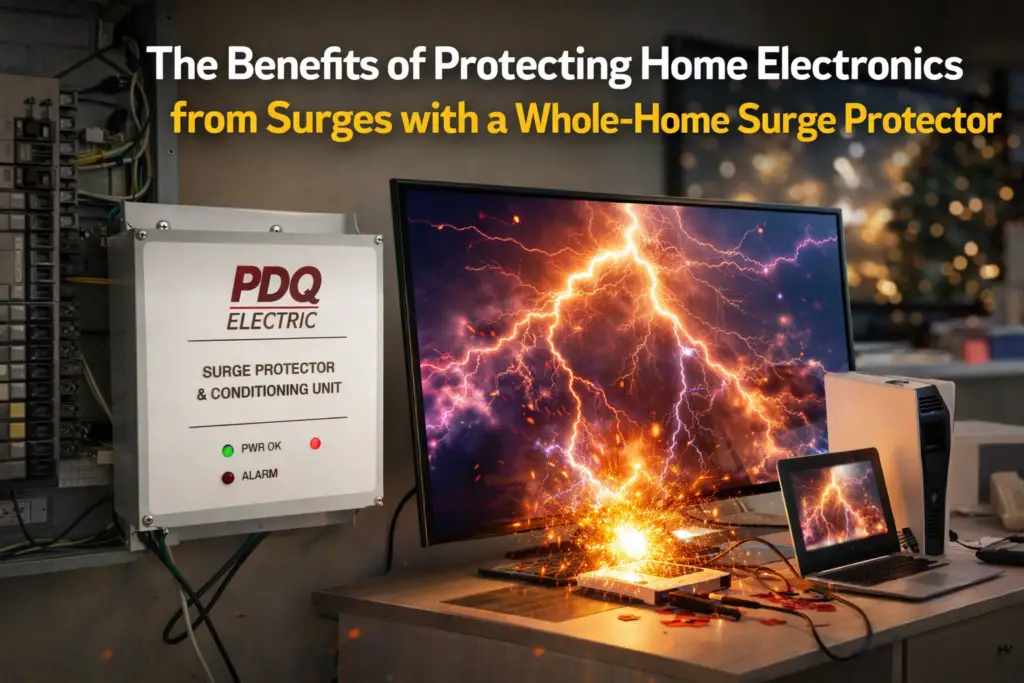
Enter the unsung hero of electrical safety: the whole-home surge protector. Think of it as a bouncer for your electrical system, keeping dangerous voltage spikes out and letting only clean, stable power in.
Let’s break down what it is, why it matters, and why 2026 is the year homeowners finally stop trusting luck and power strips.
What Is a Whole-Home Surge Protector?
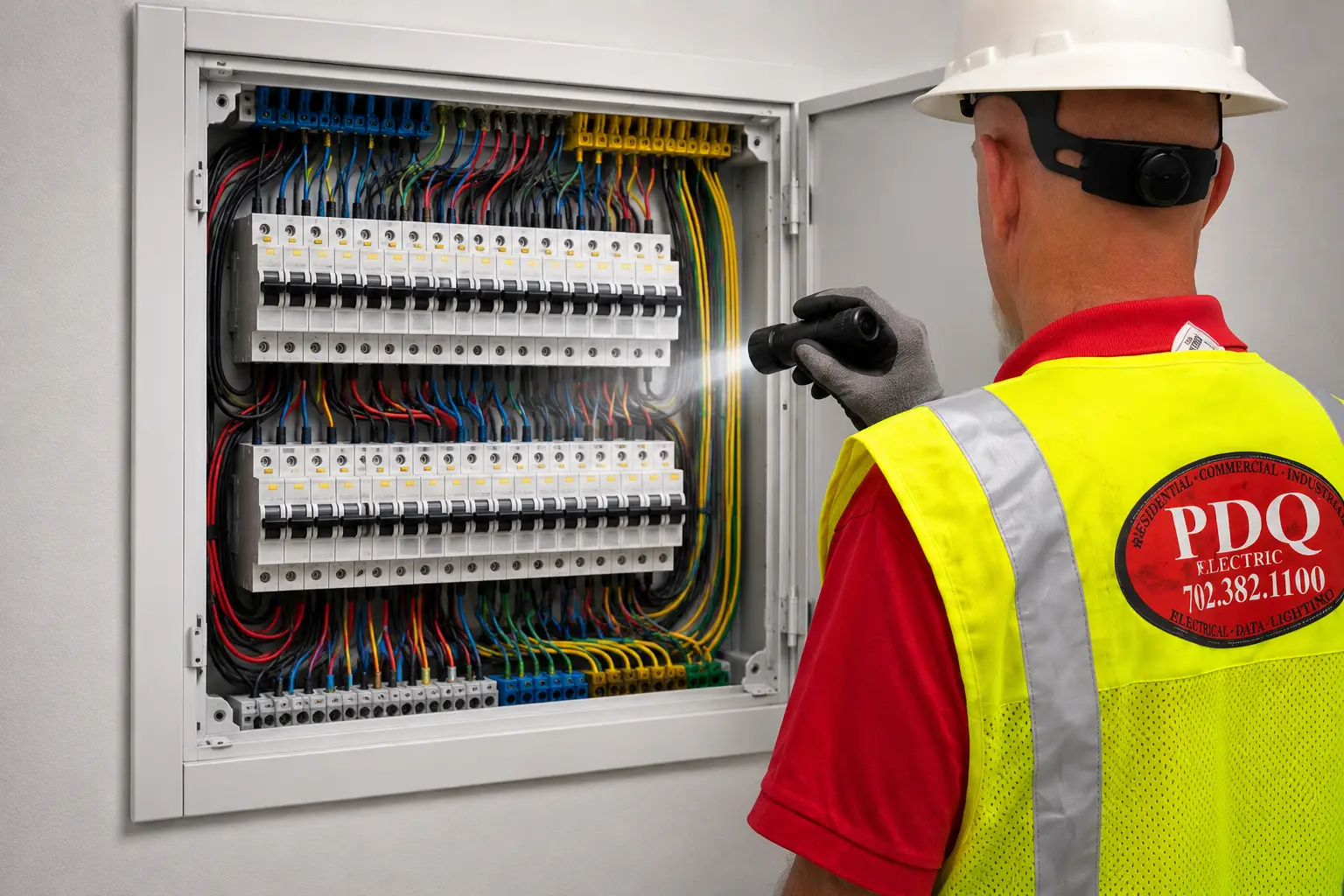
A whole-home surge protection system is installed directly at your electrical panel. Instead of protecting just one device (like a plug-in surge strip), it shields everything connected to your home’s electrical system.
When a surge hits, —whether from lightning, utility grid issues, or internal electrical events, the system safely diverts excess voltage away before it can damage your electronics.
In short:
- One device
- One installation
- Protection for your entire home
No scrambling. No guessing. No crossed fingers.
Why Power Surges Are More Common Than You Think
Most homeowners assume surges only happen during lightning storms. In reality, the majority of surges originate inside the home.
Common causes include:
- HVAC systems cycling on and off
- Large appliances starting up
- Power grid fluctuations
- Faulty wiring or aging panels
- Utility company maintenance or outages
Even small, repeated surges, often called micro-surges, slowly degrade electronics over time. That’s how devices “mysteriously” fail years before they should.
Which brings us to the real value of surge protector installation benefits.

The Top Benefits of Installing a Whole-Home Surge Protector
1. Comprehensive Protection for Electronics and Appliances
Plug-in surge protectors only guard what’s plugged into them. A whole-home surge protector defends:
- TVs and home entertainment systems
- Computers and smart devices
- Refrigerators and kitchen appliances
- HVAC systems
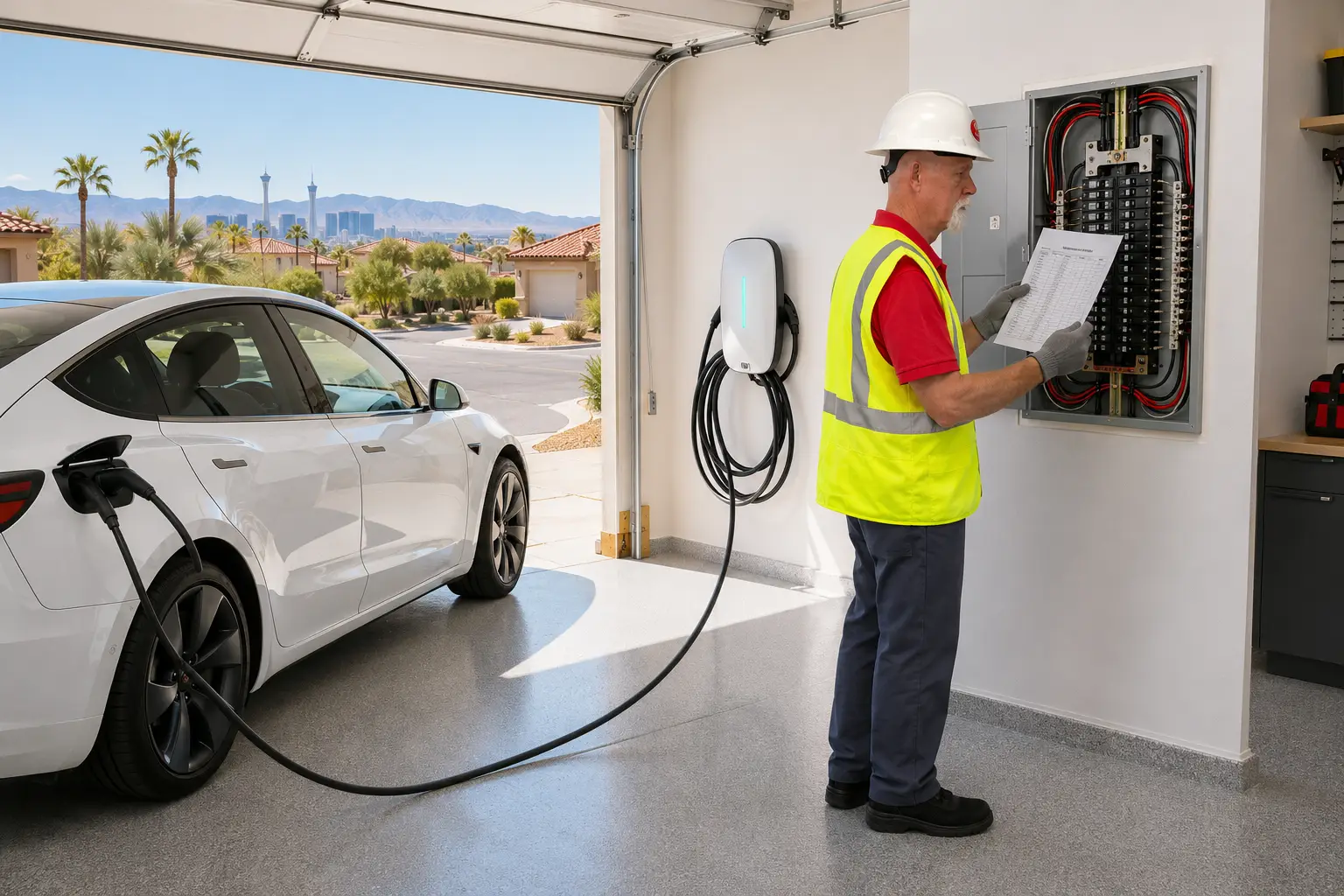
- EV chargers
- Security systems
This is surge protection for appliances and electronics at the same time; no extension cords required.
2. Longer Lifespan for Expensive Equipment
Repeated voltage spikes quietly wear down electronic components. With proper protecting home electronics from surges, devices last longer, perform better, and fail less often.
Translation: fewer surprise replacements and more money staying in your pocket.
3. Protection You Don’t Have to Think About
Once installed, a whole-home surge protection system works automatically. No lights to check. No outlets to reset. No guessing if it’s still doing its job.
It’s protection that runs quietly in the background; kind of like a great electrical system should.
4. Adds Real Value to Your Home
More buyers are asking about:
- Electrical safety
- Smart-home readiness
- Appliance protection
Installing a whole-home surge protector is a small upgrade that signals a well-maintained, future-ready home. That’s one of the most underrated whole-home surge protector advantages.
5. Cost-Effective Compared to Replacing Electronics
Let’s do some quick math (electricians love math… trust us):
Replacing one damaged appliance or entertainment system can easily cost thousands. A professionally installed surge protector costs far less and protects everything.
That’s a strong ROI and a lot less stress.
Why Power Strips Aren’t Enough (Sorry, Little Buddy)
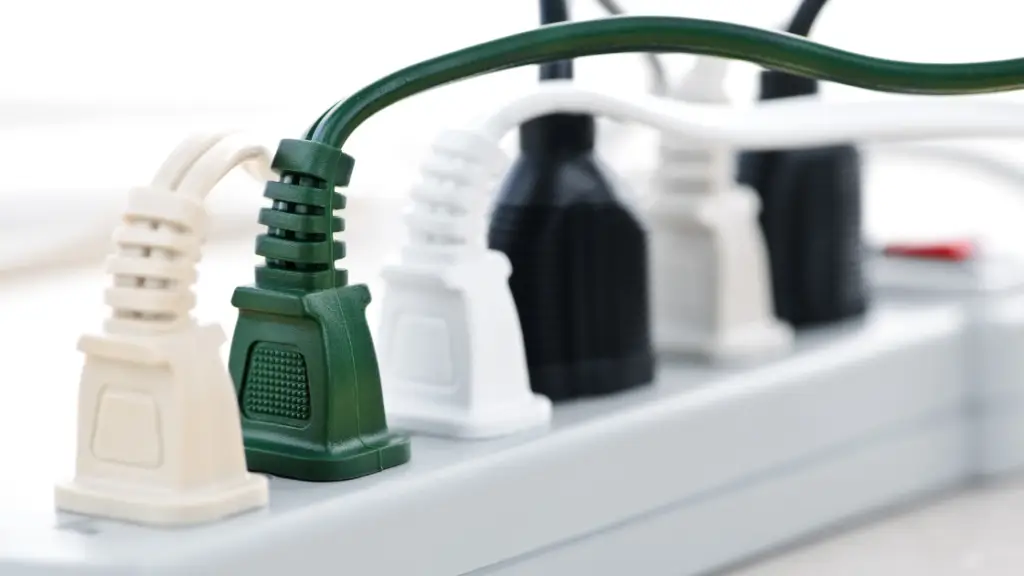
Power strips have their place, but they’re not designed to handle large or repeated surges.
Limitations of plug-in surge protectors:
- Protect only one outlet
- Can fail silently
- Don’t stop surges entering your panel
- Easily overwhelmed by major spikes
Whole-home surge protection systems stop the surge at the source, before it travels through your wiring.
Think of it this way:
- Power strip = umbrella
- Whole-home surge protector = roof
Is Whole-Home Surge Protection Worth It in 2026?
Short answer: Absolutely.
Long answer: Homes now use more electricity than ever, rely on more sensitive electronics, and are more connected to unstable grids and smart technologies. That makes protecting home electronics from surges more important in 2026 than it was even five years ago.
If your home has:
- Smart devices
- A home office
- An EV charger
- High-end appliances
- Older wiring or panels
…then whole-home surge protection isn’t optional; it’s smart ownership.
Professional Installation Matters (This Is Not a DIY Job)
Installing a whole-home surge protector requires:
- Access to the main electrical panel
- Proper grounding
- Code-compliant installation
- Compatibility with your system
This is where professional electricians come in. Proper installation ensures your system actually works when it matters most because surges don’t schedule appointments.
Stop Trusting Luck with Your Electronics
Electrical surges don’t announce themselves. They don’t give warnings. They just show up and do damage.
Installing a whole-home surge protector is one of the smartest, simplest ways to protect your investment, your comfort, and your peace of mind.
Because when it comes to electricity, hope is not a strategy.
Frequently Asked Questions (FAQ)
What does a whole-home surge protector actually protect?
A whole-home surge protector protects all electronics and appliances connected to your electrical system, including HVAC units, kitchen appliances, smart devices, and entertainment systems.
How long does a whole-home surge protector last?
Most systems last 5–10 years, depending on surge activity. Some models include indicator lights to show when replacement is needed.
Is a whole-home surge protector required by code?
Some regions now recommend or require surge protection for new installations. Even when not required, it’s considered a best practice for modern homes.
Can I still use power strips with whole-home surge protection?
Yes! Plug-in surge protectors add a second layer of protection, especially for sensitive electronics.
How much does whole-home surge protection cost?
Costs vary based on your electrical system, but installation is generally far less expensive than replacing damaged appliances or electronics.