Plug Into the Future The Right Way
So, you’ve joined the electric vehicle revolution, nice choice. Lower fuel costs, fewer emissions, and that smooth, quiet ride? Hard to beat.
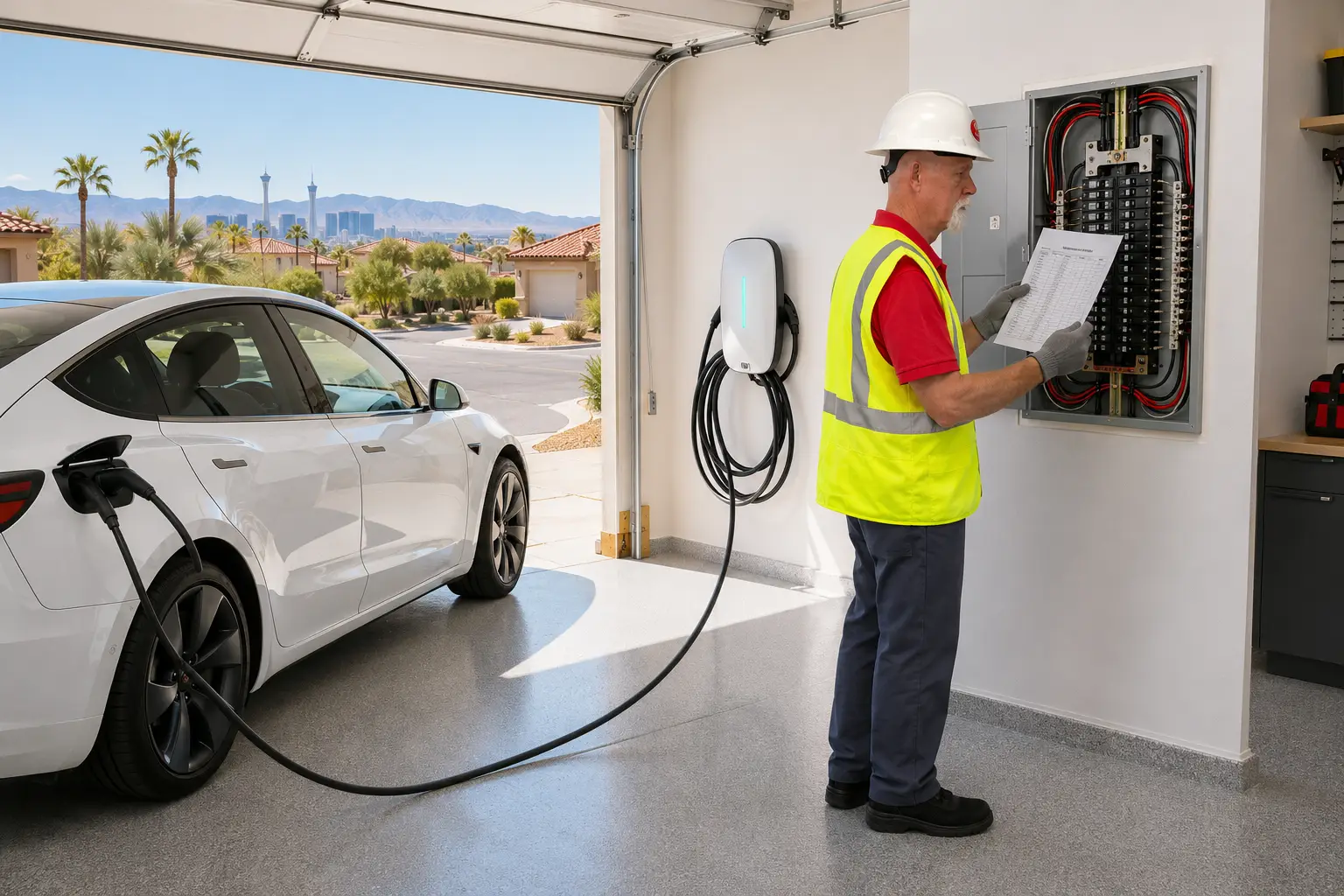
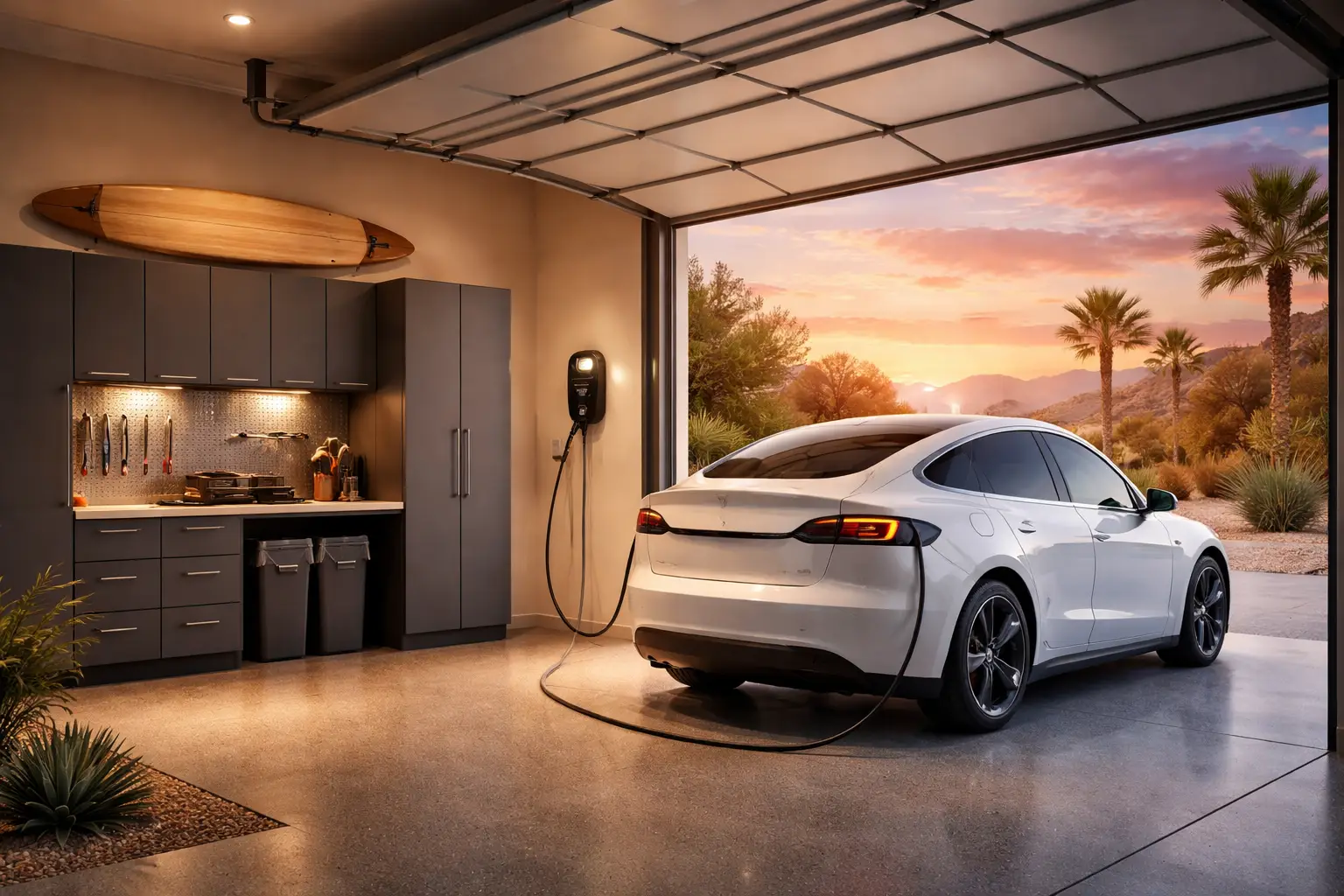
But before you start enjoying lightning-fast charging at home, there’s one important step: understanding Level 2 EV charger installation permits and inspections in Las Vegas.
Spoiler alert: it’s not as intimidating as it sounds, especially when you know what to expect.
This guide breaks everything down in plain English so you can avoid delays, pass inspections, and get charging faster.
Why Permits Matter for Level 2 EV Charger Installation
Let’s address the elephant in the garage: Do you really need a permit?
Yes. And skipping it is a bad idea.
Permits ensure that your Level 2 EV charger installation is:
- Safe for your home and electrical system
- Up to code with local regulations
- Approved by your utility provider
- Covered by insurance in case of issues
Without proper permits, you could face fines, failed inspections, or even safety hazards like overheating circuits.
Understanding EV Charger Permit Requirements in Las Vegas
Before installation begins, you’ll need to meet specific EV charger permit requirements set by local authorities.
Here’s what’s typically involved:
Application Submission
You (or your electrician) will submit:
- Electrical load calculations
- Site plans showing charger location
- Equipment specifications
- Panel capacity details
Permit Review Process
The city reviews your application to confirm:
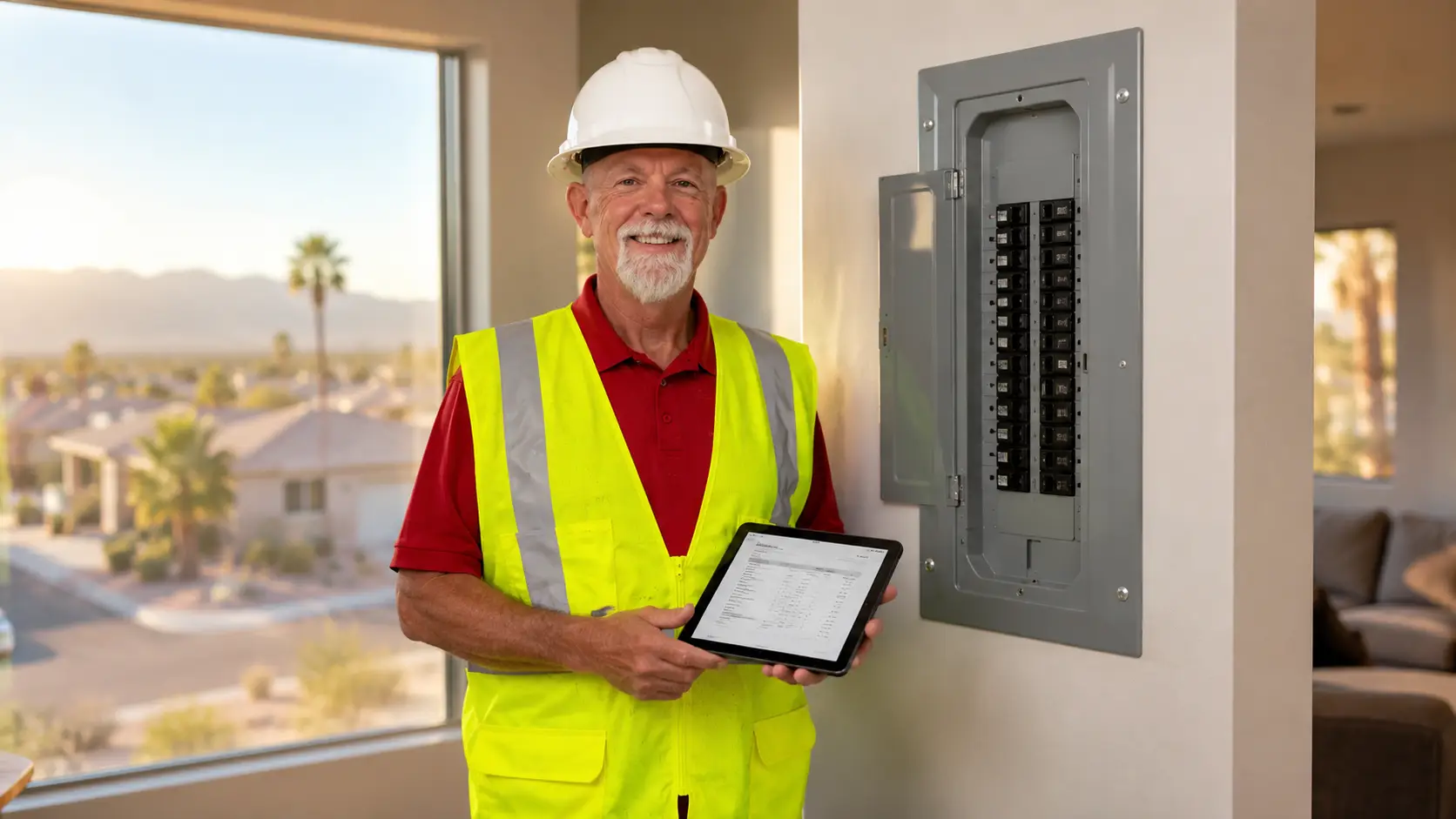
- Your electrical panel can handle the load
- Proper wiring methods are planned
- Safety standards are met
Approval Timeline
Most permits are approved within a few business days, though timelines can vary depending on project complexity.
Utility Service Review for EV Charger Installation
Before installation, your utility company may perform a utility service review EV charger assessment.
Why this matters:
- Determines if your current service can handle the additional load
- Identifies whether upgrades are needed (like a panel upgrade)
- Helps prevent power issues or outages
For example, if your home has a 100-amp panel and you’re adding a Level 2 charger, you might need an upgrade to 200 amps.
NEC EV Charger Conductor Sizing: Why It’s Critical
This is where things get a bit technical, but stick with me.
Proper NEC EV charger conductor sizing ensures that the wiring used can safely carry the electrical current required by your charger.
If wires are too small:
- They can overheat
- Cause breaker trips
- Increase fire risk
Electricians follow National Electrical Code (NEC) guidelines to determine:
- Wire gauge
- Breaker size
- Circuit capacity
Bottom line: this step isn’t optional, it’s essential for safety and passing inspection.
The Importance of Level 2 Charger Grounding
Let’s talk about something you don’t see, but absolutely need: grounding.
Level 2 charger grounding protects both your vehicle and your home by safely directing excess electricity away from the system.
Proper grounding:
- Reduces risk of electrical shock
- Protects equipment from damage
- Ensures compliance with safety codes
Inspectors pay close attention to grounding, so this is one area where cutting corners is not an option.
What Happens During the Inspection?
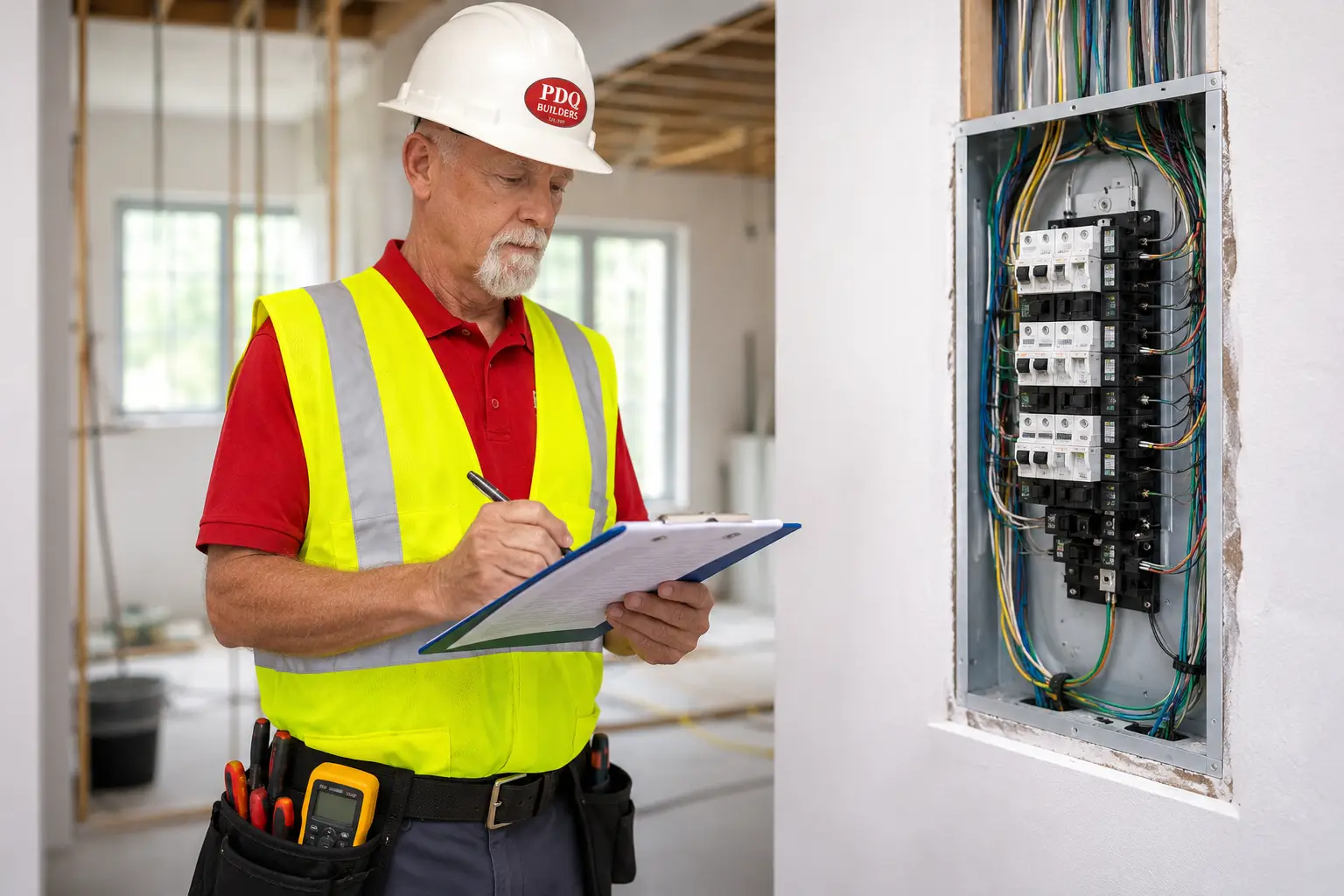
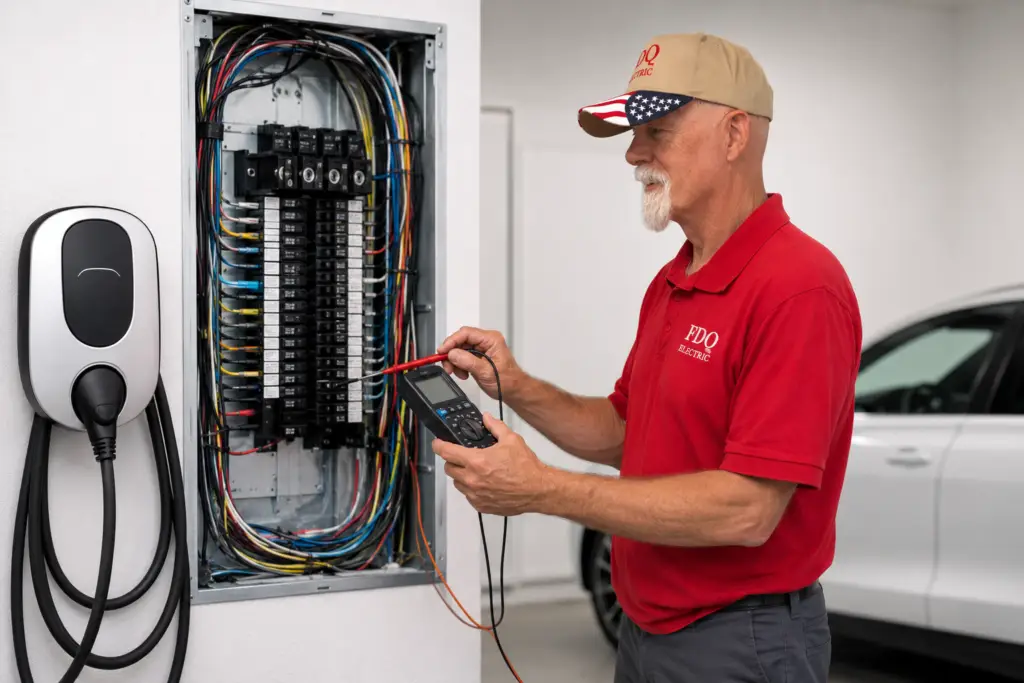
Once your charger is installed, it’s time for the final step: inspection.
Here’s what inspectors typically check:
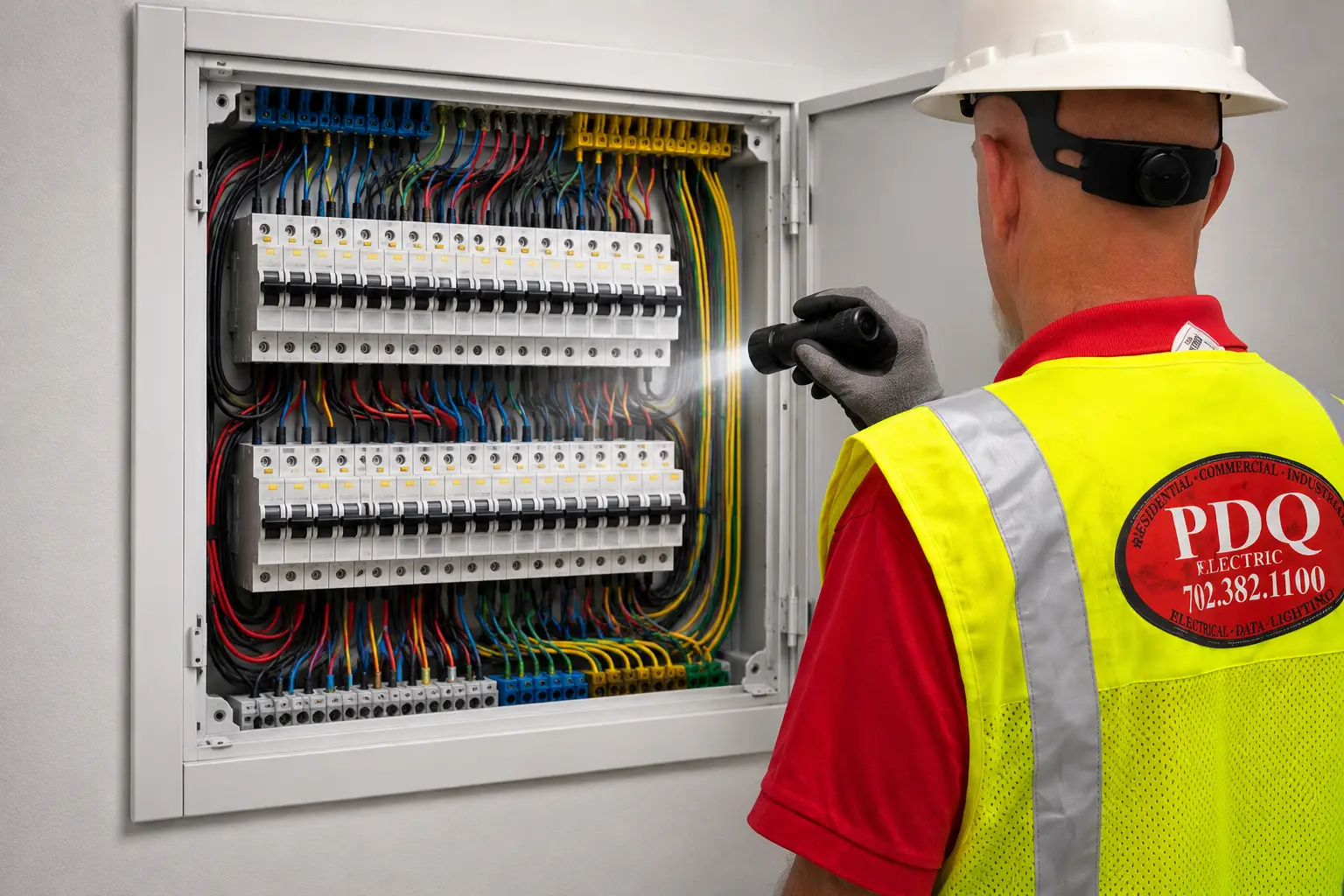
Electrical Panel & Breakers
- Proper breaker sizing
- Available capacity
- Clean, organized wiring
Wiring & Conduit
- Correct conductor sizing
- Secure connections
- Code-compliant installation
Charger Placement
- Proper mounting height
- Safe location
- Weather protection (if outdoors)
Grounding & Bonding
- Verified grounding system
- Proper bonding of components
If everything checks out, you’re good to go.
Real-World Scenario: A Smooth Installation
Imagine this:
A Las Vegas homeowner installs a Level 2 charger without checking permit requirements. Midway through, they discover their panel can’t handle the load.
Now they’re dealing with:
- Delays
- Additional costs
- Failed inspections
Compare that to a homeowner who works with a licensed electrician from the start:
- Permits filed correctly
- Utility review completed
- Installation done to code
- Inspection passed on the first try
Guess who’s charging their EV sooner?
Common Mistakes to Avoid
Avoid these pitfalls during your Level 2 EV charger installation:
- Skipping permits
- Ignoring panel capacity
- Using incorrect wire sizes
- Improper grounding
- DIY installations without expertise
A little planning upfront saves a lot of headaches later.
Frequently Asked Questions
Do I always need a permit for a Level 2 EV charger installation?
Yes. In Las Vegas, permits are required to ensure safety and code compliance.
How long does the permit process take?
Typically a few days, but it can vary depending on workload and project complexity.
What if my electrical panel isn’t sufficient?
You may need a panel upgrade, which your electrician can assess during the planning phase.
Can I install a Level 2 charger myself?
It’s not recommended. Professional installation ensures compliance with EV charger permit requirements and safety codes.
What happens if I fail the inspection?
You’ll need to correct the issues and schedule a reinspection before using the charger.
Ready to Power Up? Let’s Make It Easy
Installing a home EV charger doesn’t have to be complicated, but it does need to be done right.
From navigating EV charger permit requirements to ensuring proper NEC EV charger conductor sizing, every step matters for a safe, efficient setup.
The good news? You don’t have to figure it out alone.
If you’re planning a Level 2 EV charger installation in Las Vegas and want a smooth, hassle-free experience, it’s time to bring in the experts.Contact PDQ Electric today to handle your permits, installation, and inspection, so you can start charging with confidence.