Smart Homes Are Brilliant… Until the Lights Start Flickering
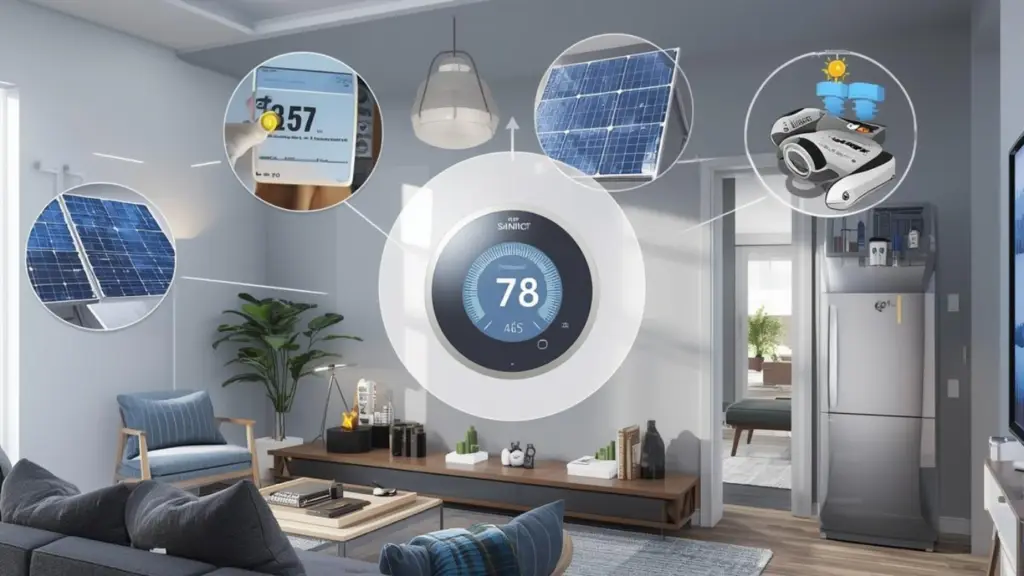
Smart homes are no longer a “someday” upgrade; they’re the new normal. From voice-activated lights and smart thermostats to security cameras, EV chargers, and Wi-Fi-connected refrigerators (yes, even your fridge has opinions now), modern homes are pulling more power than ever before.
And while smart technology makes life easier, safer, and more energy-efficient when installed correctly, it can also quietly overload electrical systems that weren’t designed for this level of demand.
That’s why understanding the impact of smart technology on electricity is critical for homeowners who want convenience without surprise breaker trips, flickering lights, or that unsettling moment when everything shuts off at once.
Let’s break it down. No sparks, no jargon overload, and just enough electrical humor to keep things grounded.
The Impact of Smart Technology on Electricity: What’s Really Happening Behind the Walls
The biggest shift smart homes bring isn’t just automation; it’s continuous electrical demand.
Traditional homes were designed for appliances that turned on, did their job, and turned off. Smart homes? They’re always “on standby,” constantly communicating, syncing, updating, and drawing power.
Here’s what that means in real terms:
- More devices pulling power simultaneously
- Increased baseline electrical load
- Greater strain on older panels and circuits
- Higher expectations for reliability and safety
The impact of smart technology on electricity isn’t about one device—it’s about many devices working together, all expecting your electrical system to keep up without complaint.
Spoiler alert: older systems complain. Loudly. Usually by tripping breakers at the worst possible moment.
Smart Devices and Electrical Load: Small Devices, Big Demands
One of the most misunderstood aspects of smart homes is smart devices and electrical load.
Each individual smart device may use very little electricity. But collectively? They add up faster than phone chargers at a family reunion.
Common Smart Devices Increasing Electrical Load:
- Smart thermostats
- Smart lighting systems
- Security cameras and doorbells
- Smart speakers and displays
- Home hubs and routers
- Automated blinds and shades
- EV chargers
- Smart appliances
Now imagine all of these running at once—while someone’s cooking, streaming, charging devices, and blasting the AC.
That’s when circuits start sweating.
Electrical systems don’t fail dramatically at first. They show subtle signs:
- Frequent breaker trips
- Warm outlets or panels
- Dimming or flickering lights
- Buzzing sounds (never a good sign)
If your home wasn’t designed for modern electrical loads, smart technology can expose those limitations quickly.
Smart Home Electrical Systems: Built for Communication, Not Just Power
A modern smart home electrical system isn’t just about delivering electricity, it’s about managing it intelligently.
Unlike traditional setups, smart homes rely on:
- Stable power distribution
- Consistent voltage
- Proper grounding
- Dedicated circuits for high-demand devices
Smart systems don’t tolerate electrical “guesswork.” They expect clean, reliable power because digital systems are far less forgiving than an old lamp.
This is why smart homes often reveal issues that have existed quietly for years. The system didn’t suddenly become unsafe; it just finally got challenged.
Think of it like upgrading from a flip phone to a supercomputer. Same electricity. Very different expectations.
Integrating Smart Technology in Homes Without Overloading the System
Integrating smart technology in homes should never be a plug-and-pray situation.
A proper integration process looks like this:
1. Electrical Capacity Evaluation
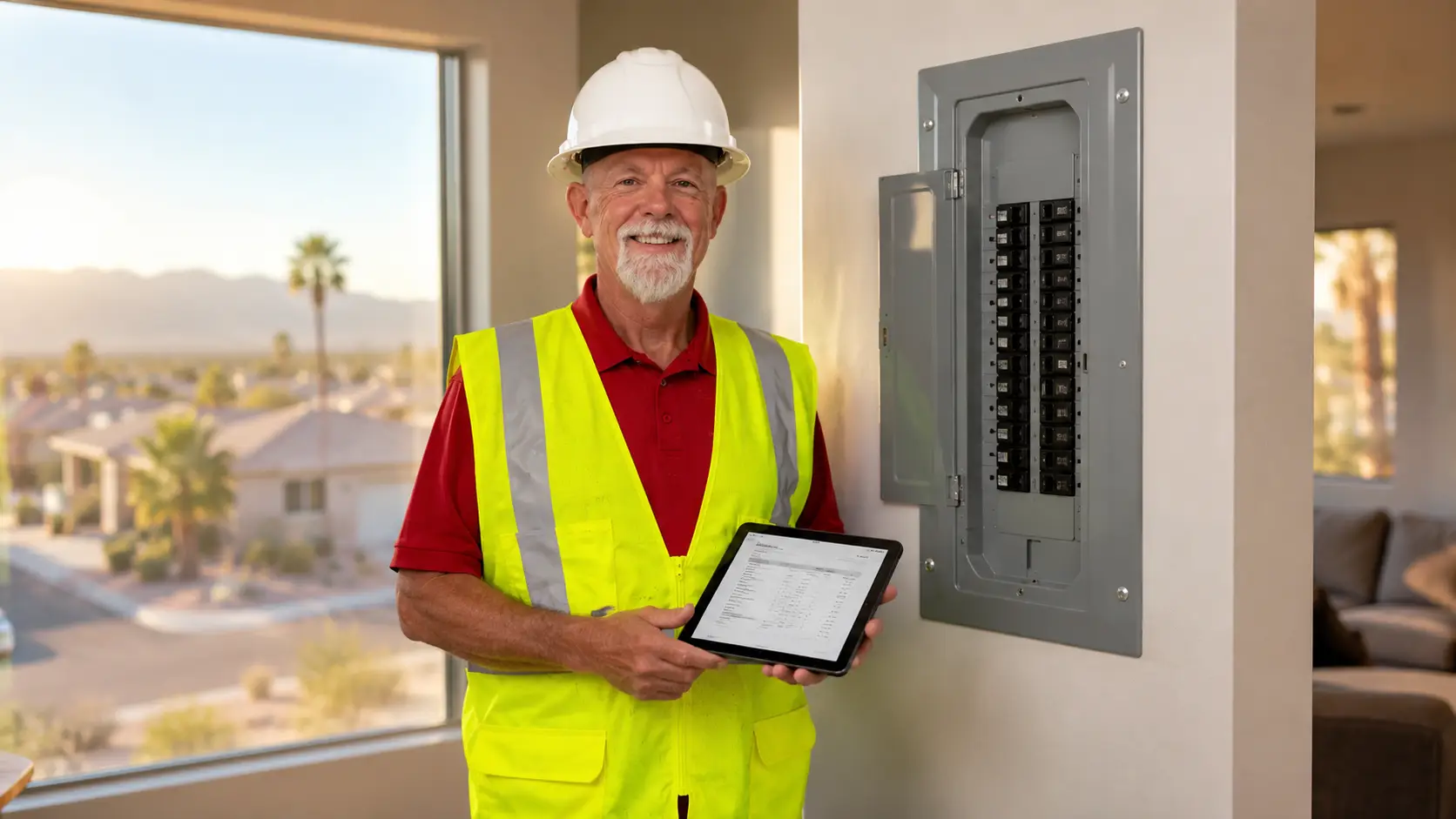
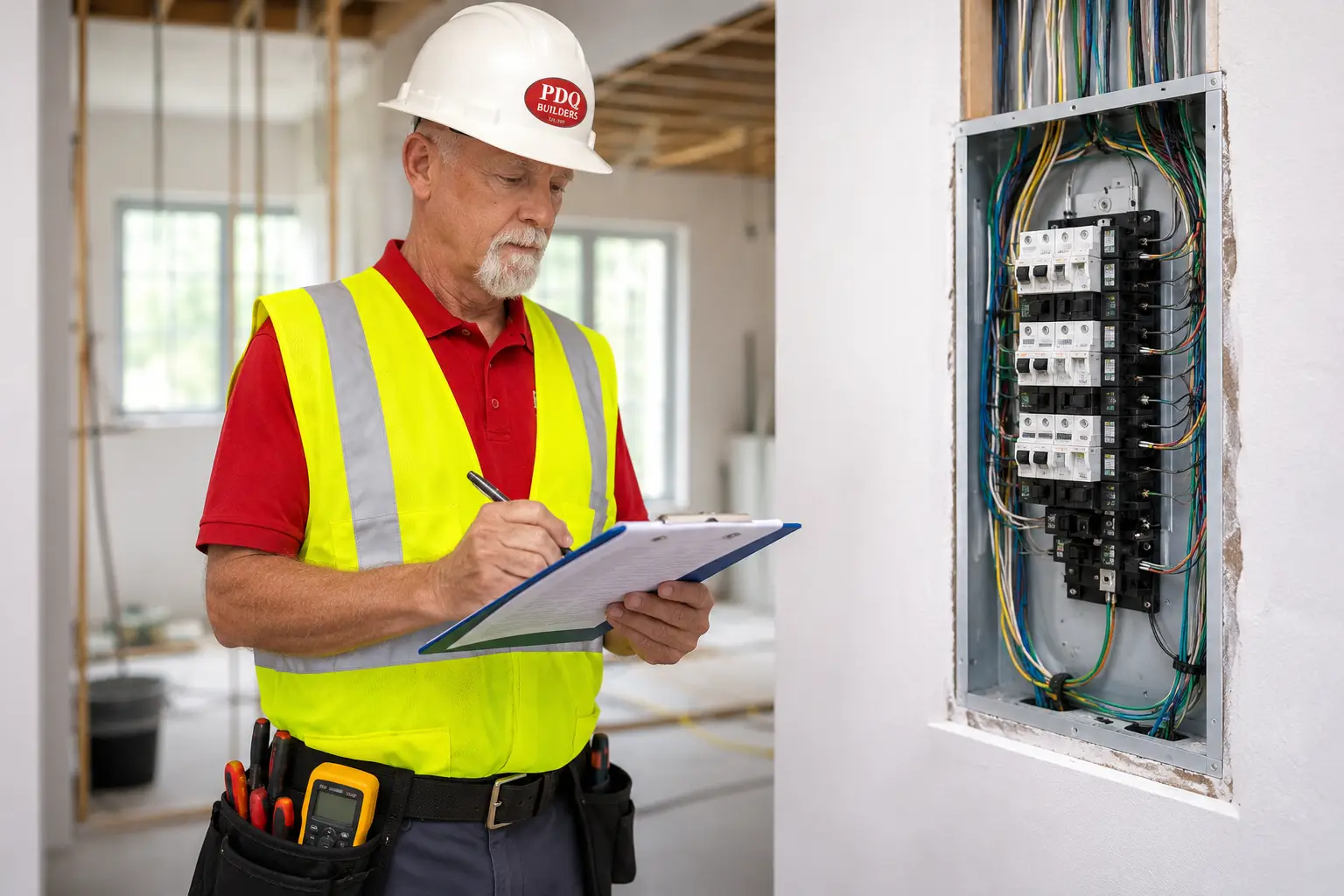
Before adding smart devices, your electrical panel and circuits should be evaluated to ensure they can handle the increased load.
2. Dedicated Circuits Where Needed
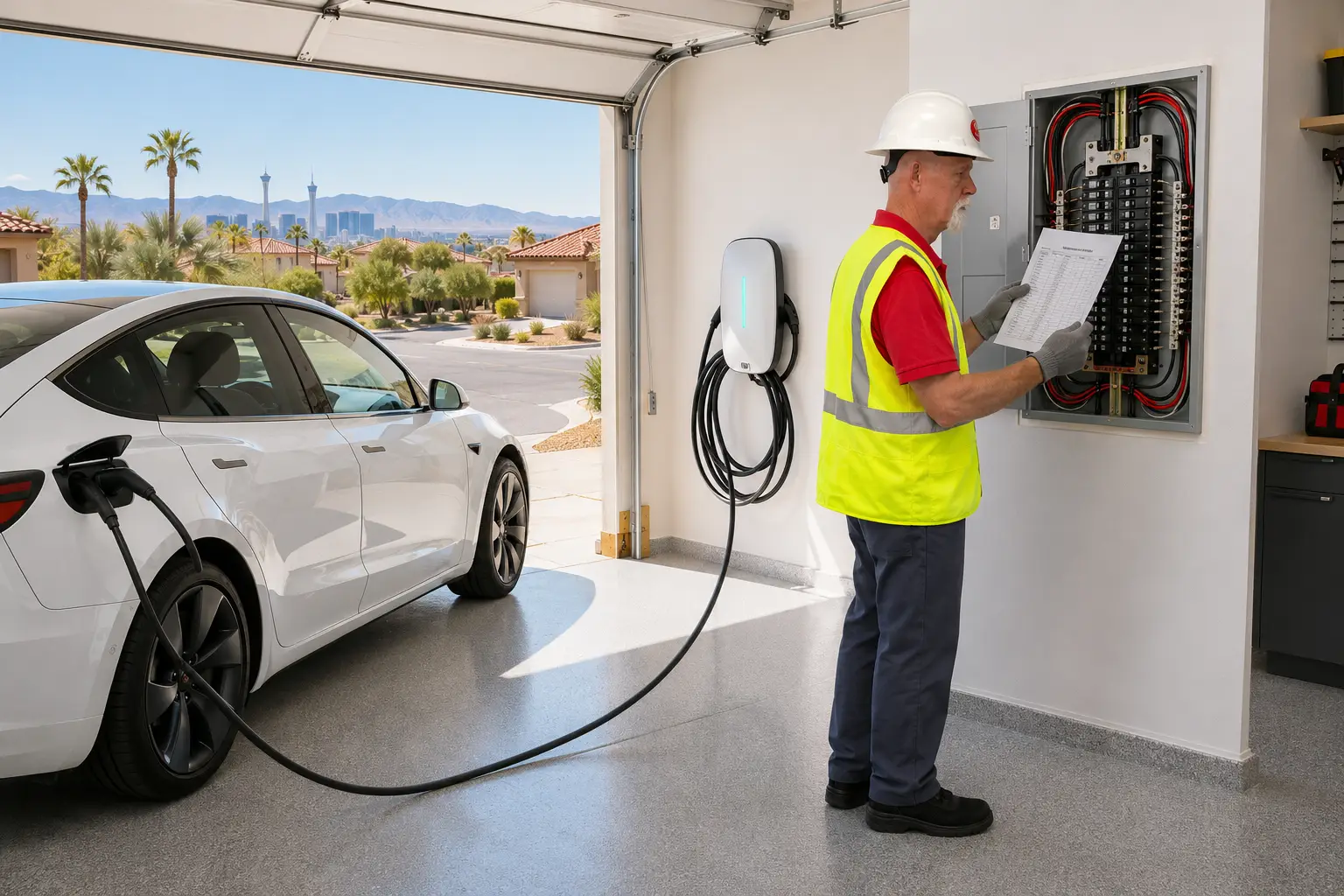
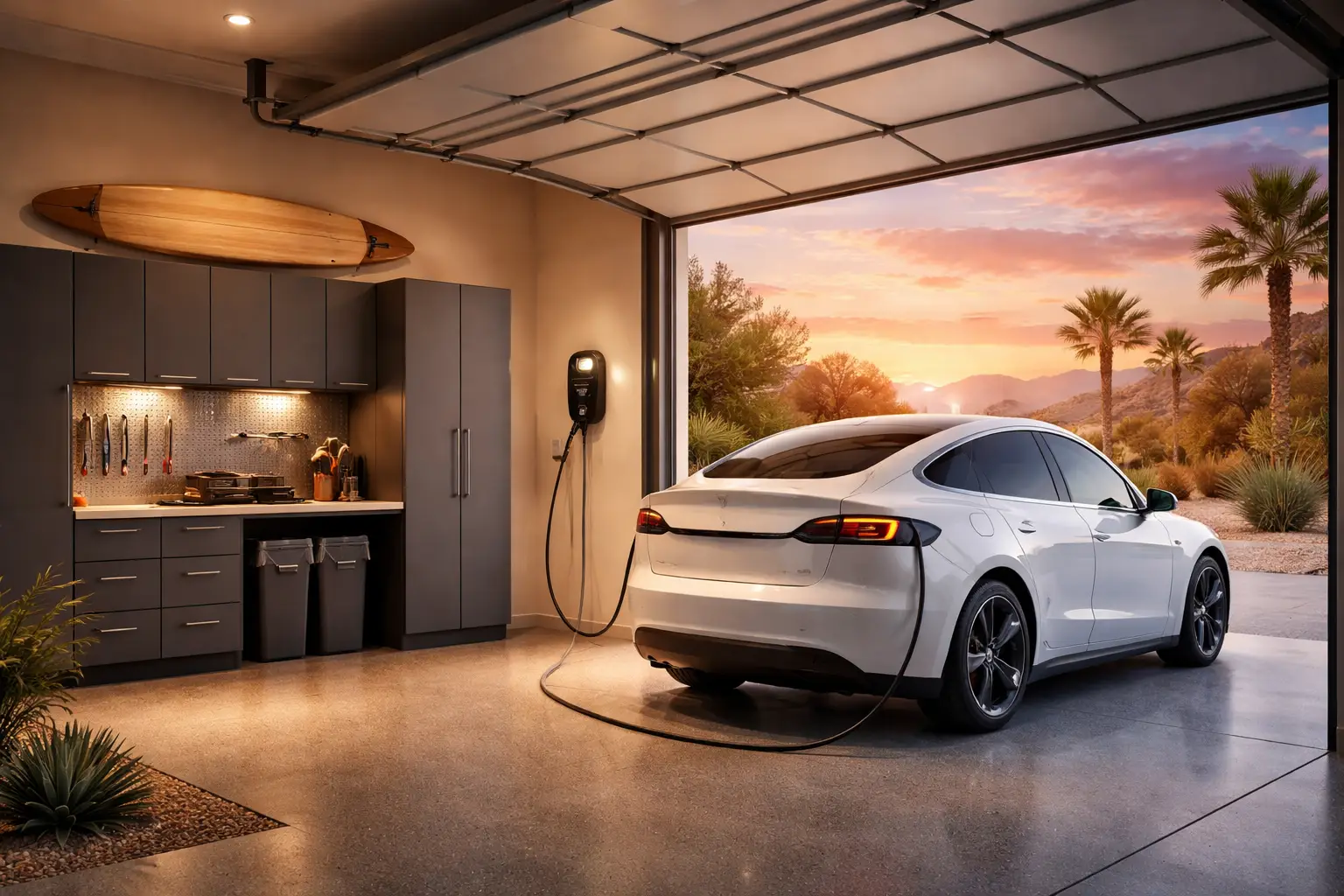
High-demand smart features, like EV chargers or smart HVAC systems, often require their own circuits.
3. Panel Upgrades When Necessary
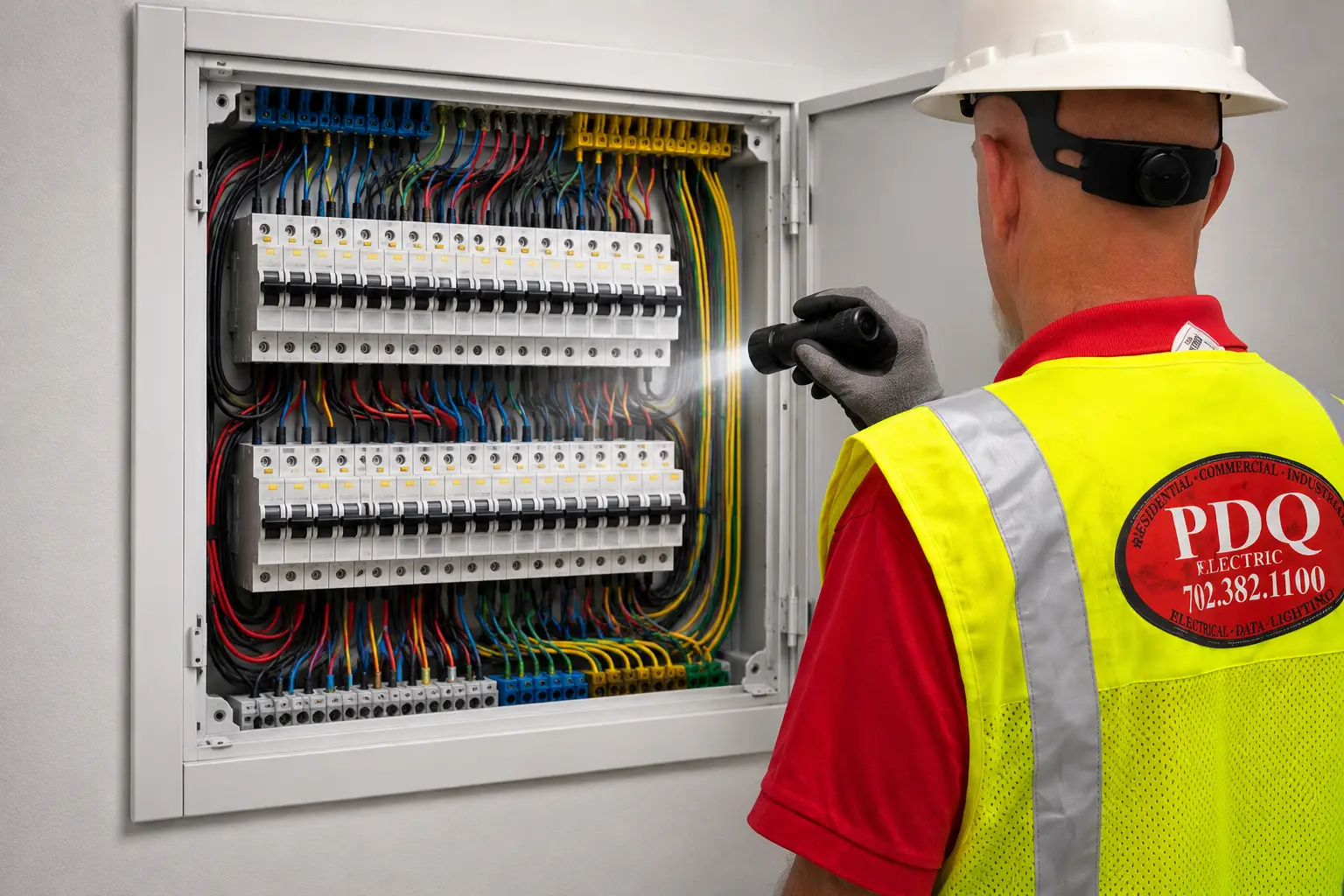
Older panels may not provide enough capacity, safety features, or expansion room for smart technology.
4. Surge Protection
Smart devices are sensitive. Whole-home surge protection helps prevent expensive electronics from becoming expensive paperweights.
5. Proper Grounding
Smart systems rely heavily on stable grounding to function correctly and safely.
When smart technology is integrated correctly, it works beautifully. When it’s not? That’s when homeowners start blaming the Wi-Fi… instead of the wiring.

Upgrading Home for Smart Technology: When Is It Time?
If you’re planning on upgrading your home for smart technology, here’s a quick reality check.
Signs Your Home May Need an Electrical Upgrade:
- Your panel is 20–30+ years old
- You’ve run out of breaker space
- Breakers trip when multiple devices run
- Lights dim when appliances turn on
- You’re adding EV charging or smart HVAC
Upgrading doesn’t always mean a full overhaul—but sometimes it does. And while no one wants to upgrade electrical infrastructure, it’s far less painful than replacing damaged devices—or worse, dealing with safety issues.
The good news? Electrical upgrades also:
- Improve safety
- Increase home value
- Prepare your home for future technology
- Reduce long-term maintenance issues
It’s not just an upgrade; it’s future-proofing.
Energy Efficiency vs. Electrical Demand: The Smart Home Paradox
Smart technology often promises energy savings, and it can deliver.
Smart thermostats, lighting schedules, and automated controls help reduce waste. However, these savings only work when the electrical system supporting them is properly designed.
Otherwise, you end up with:
- Efficient devices on inefficient infrastructure
- Savings in one area offset by losses in another
- Frustration instead of automation
The goal isn’t just efficiency. It’s balanced electrical design that supports both innovation and reliability.
Safety First: Why Smart Homes Demand Smarter Electrical Planning
Smart homes increase convenience, but they also raise the stakes.
Electrical safety becomes even more important when:
- Devices operate unattended
- Systems run continuously
- Homeowners rely on automation
Overloaded circuits, improper installations, and outdated panels don’t just reduce performance; they increase fire risk.
That’s why smart homes require smart planning. Electrical systems should be proactive, not reactive.
Because the only thing worse than a tripped breaker is discovering it after something stops working when you’re not home.
Future Trends: What 2026 and Beyond Means for Home Electricity
Looking ahead, the impact of smart technology on electricity will only grow.
Emerging trends include:
- Increased EV adoption
- AI-driven home automation
- Smart energy storage systems
- Whole-home monitoring
- Grid-interactive homes
Homes are becoming miniature power ecosystems and that requires electrical systems designed for flexibility, scalability, and reliability.
In short: homes are getting smarter. Wiring needs to keep up.
Smart Homes Deserve Smart Electrical Systems
Smart technology is an incredible upgrade, but only when the electrical system behind it is ready for the job.
Understanding the impact of smart technology on electricity helps homeowners make informed decisions, avoid costly mistakes, and enjoy all the benefits of automation without unwanted side effects.
Because at the end of the day:
- Smart homes should feel effortless
- Electrical systems should feel invisible
- And breakers should only trip when they’re supposed to
If your home is getting smarter, your electrical system should too.
Thinking about upgrading your home for smart technology—or already noticing signs your system is struggling?
Talk to our licensed electrician before your smart home starts acting… not so smart.
Frequently Asked Questions About Smart Home Technology and Electrical Systems
What is the impact of smart technology on electricity in a home?
The impact of smart technology on electricity comes from increased, continuous power demand. Smart devices often stay connected 24/7, drawing power even when not actively used, which raises overall electrical load on a home’s system.
Can smart home technology overload older electrical systems?
Yes. Older homes were not designed to support the number of connected devices modern smart homes use. Without upgrades, smart devices can overload circuits, trip breakers, and expose outdated wiring or panels.
How do smart devices and electrical load affect my energy usage?
Individually, smart devices use minimal power. Collectively, however, they increase baseline electrical load. Multiple smart devices running simultaneously can strain circuits and reduce system efficiency if not properly planned.
Do I need to upgrade my home before integrating smart technology?
Not always, but many homes benefit from upgrades. If your panel is older, lacks breaker space, or you experience frequent electrical issues, upgrading your home for smart technology may be necessary to ensure safety and reliability.
What are common signs my electrical system can’t handle smart technology?
Common signs include flickering lights, frequent breaker trips, warm outlets, buzzing sounds, dimming lights when devices turn on, or smart devices disconnecting unexpectedly.
Are smart home electrical systems different from traditional systems?
Yes. Smart home electrical systems require stable power, proper grounding, surge protection, and often dedicated circuits. Smart technology is more sensitive to voltage fluctuations than traditional electrical devices.
Is integrating smart technology in homes safe without professional help?
Basic smart devices may be safe to install, but large-scale integrations, such as smart panels, EV chargers, smart HVAC systems, or whole-home automation should always involve a licensed electrician to prevent safety risks.
Do smart homes actually save electricity?
Smart homes can improve energy efficiency through automation and scheduling, but only if the electrical infrastructure is properly designed. Energy-efficient devices cannot compensate for outdated or overloaded wiring.
Why do flickering lights happen more often in smart homes?
Smart devices rely on consistent voltage. Flickering lights often indicate overloaded circuits, loose connections, or inadequate wiring issues that smart systems tend to reveal faster than traditional devices.
Are extension cords safe for powering smart devices long-term?
No. Extension cords are meant for temporary use and are not a safe long-term solution for smart home setups. Permanent smart technology should be supported by proper outlets and circuits.
Does upgrading electrical systems for smart technology increase home value?
Yes. Homes that are upgraded to support smart technology are more attractive to buyers and better prepared for future electrical demands, including EV charging and advanced automation.
When should I contact an electrician about smart home upgrades?
You should contact an electrician before installing major smart technology or immediately if you notice electrical issues. Preventive planning is far safer and more cost-effective than reactive repairs.
Smart technology makes homes more convenient, but only when the electrical system behind it is ready. Understanding the impact of smart technology on electricity helps homeowners avoid problems, protect their investment, and future-proof their homes