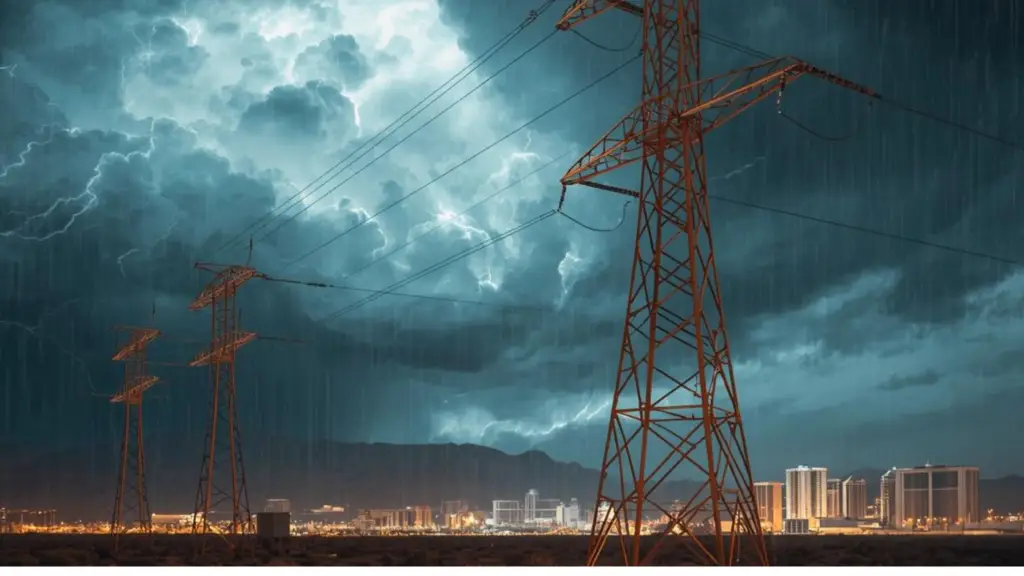
Extreme weather is no longer a “maybe someday” problem. It’s a when, not an if. From heat waves and windstorms to flooding and unexpected cold snaps, your home’s electrical system takes the hit long before you do.
The good news? A little preparation goes a long way.
In this guide, we’ll walk through extreme weather electrical safety tips that actually make sense, help you avoid costly damage, and keep your home powered safely when nature decides to flip the breaker. We’ll keep it practical, homeowner-friendly, and yes, add a little electrician humor along the way. Because safety is serious, but learning doesn’t have to be boring
Why Extreme Weather and Electrical Systems Don’t Mix Well
Electrical systems are designed for reliability, but natural disasters don’t follow code.
Extreme heat strains circuits. Heavy rain finds weak points. High winds damage service lines. And sudden outages can cause surges when power is restored.
When electrical systems and natural disasters collide, the risks include:
- Power surges that damage appliances
- Electrical fires caused by compromised wiring
- Flood-related shock hazards
- Overloaded panels during emergency power use
- Costly repairs that could’ve been prevented
In other words: your wiring doesn’t like surprises.
That’s why preparing electrical systems for storms is one of the smartest homeowner moves you can make.
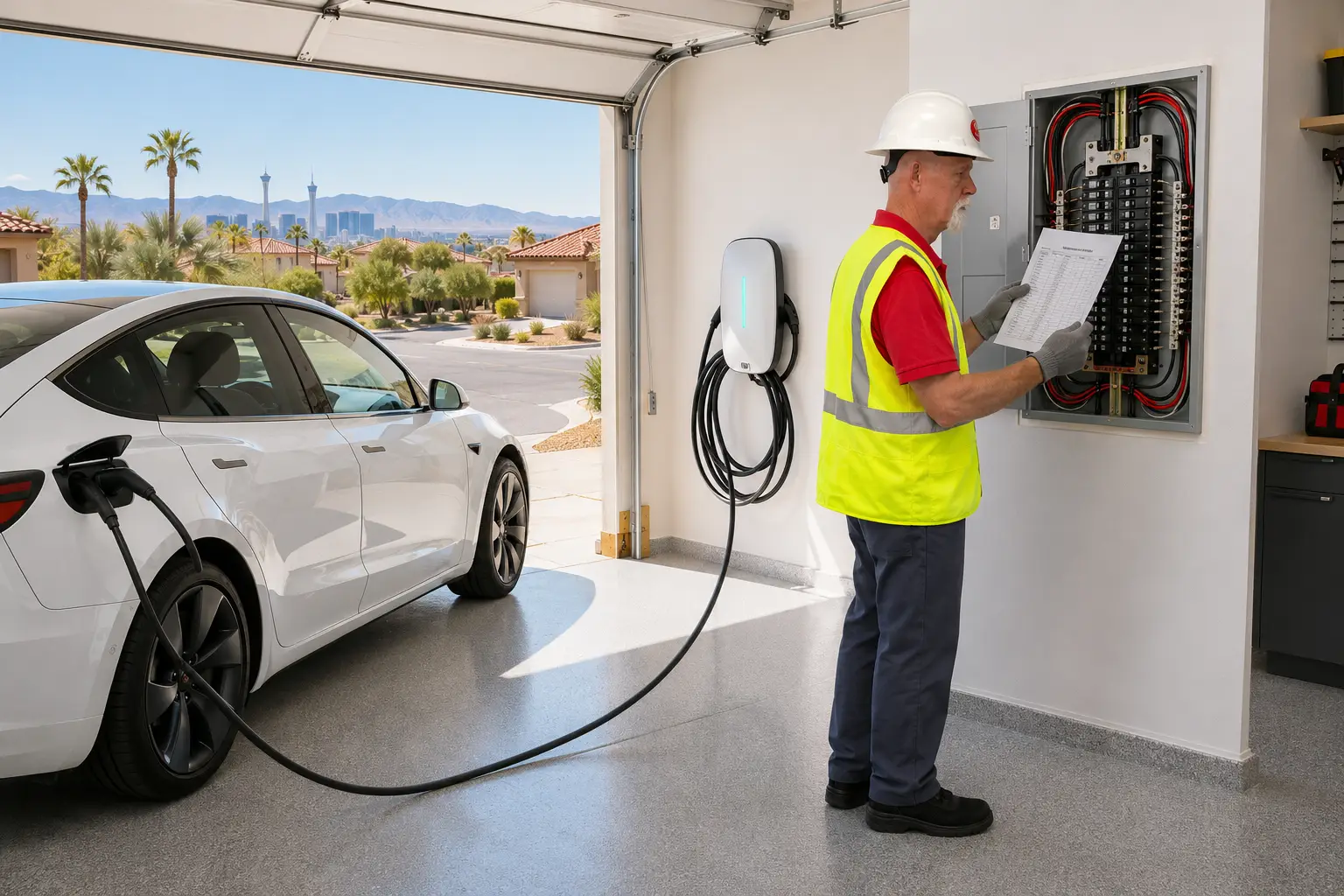
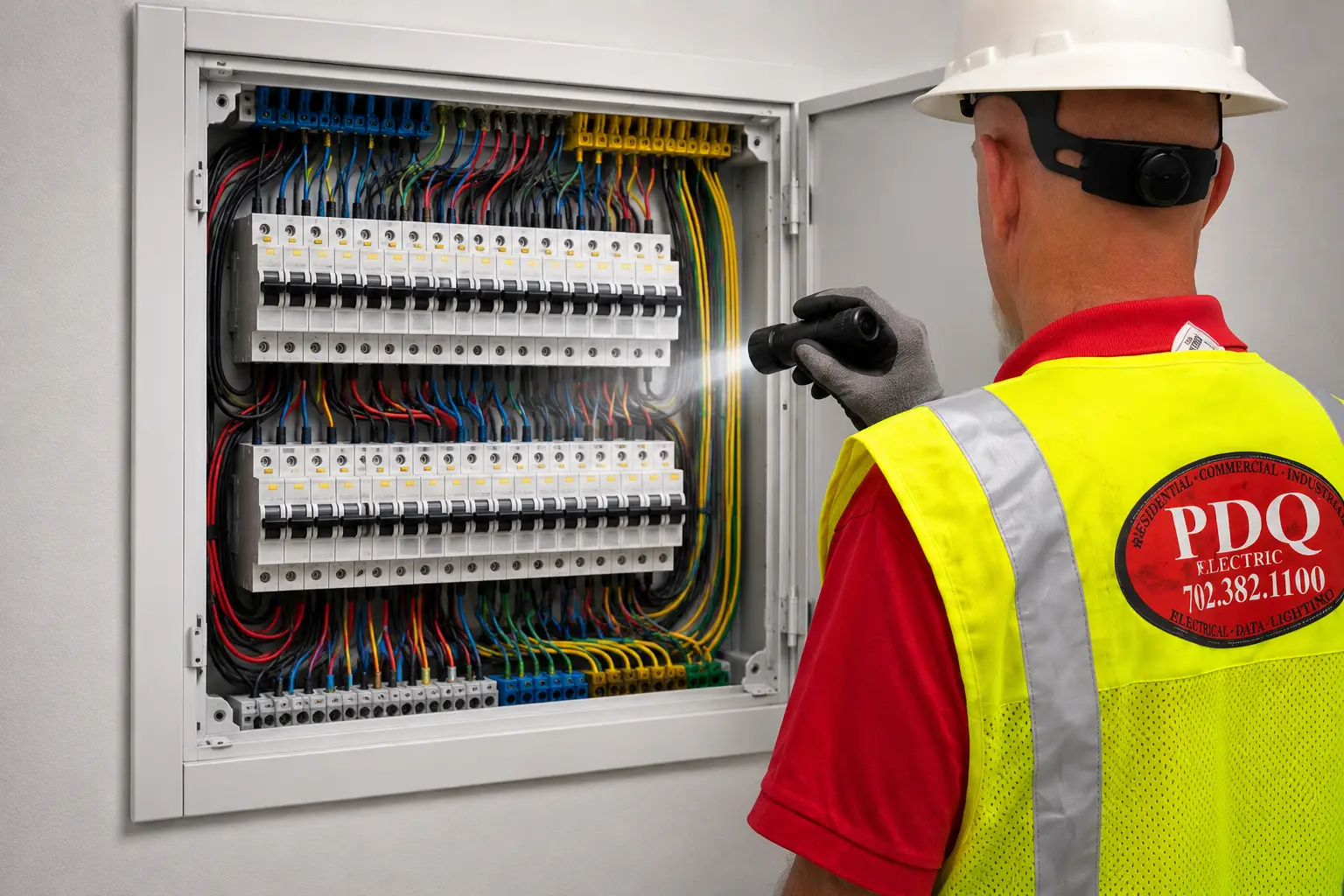
Extreme Weather Electrical Safety Tips Start With a System Check
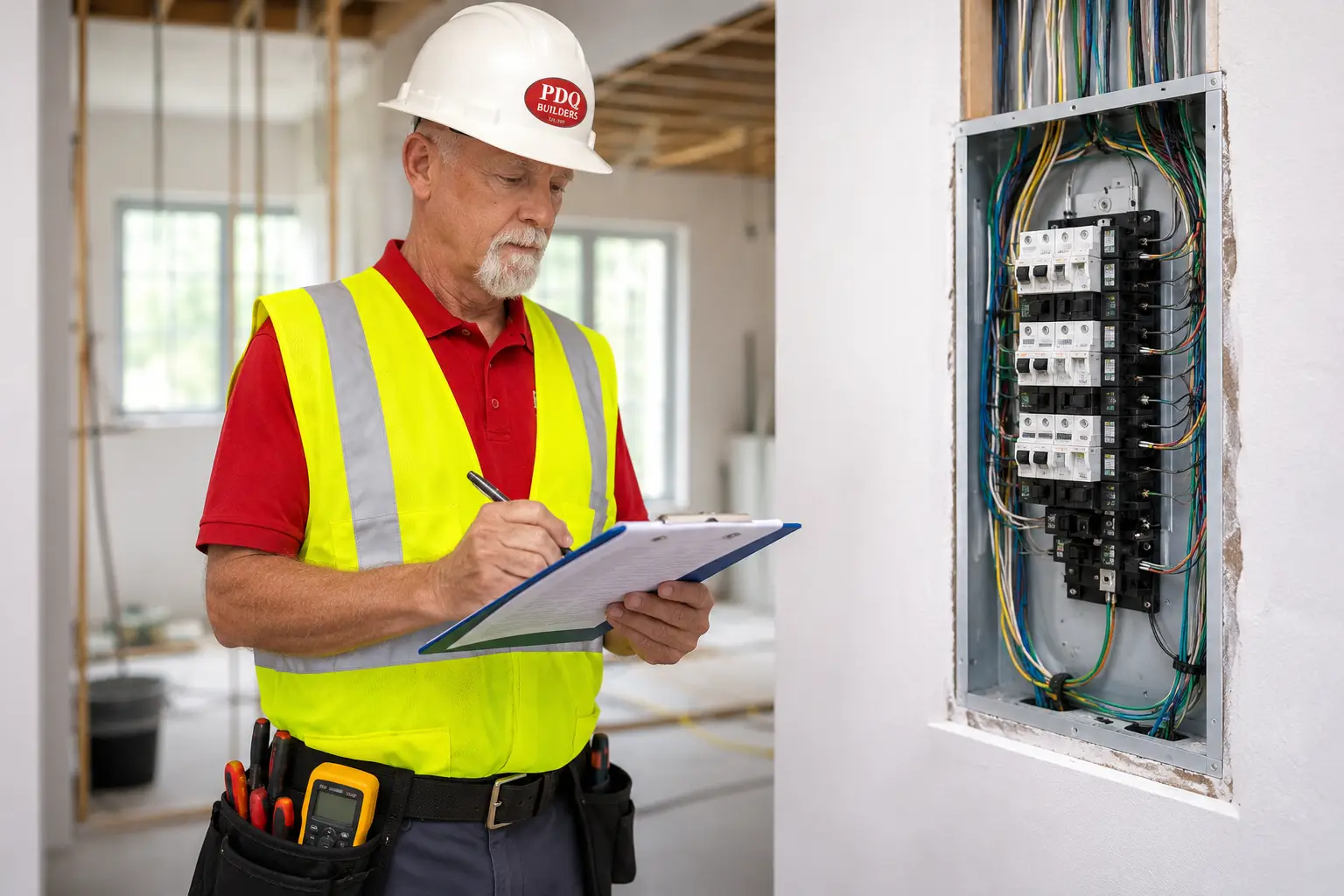
Before storm season hits, the most important step in home electrical preparation for emergencies is knowing what condition your system is already in.
Ask yourself:
- Is your electrical panel up to date?
- Are breakers frequently tripping?
- Do lights flicker during high winds or storms?
- Is any wiring exposed or outdated?
If your system already struggles on a calm day, it definitely won’t perform well during extreme weather.
A professional inspection helps identify:
- Weak connections
- Overloaded circuits
- Aging panels
- Improper grounding
- Surge protection gaps
Think of it as a wellness check for your home, minus the awkward paper gown.
Safeguarding Electrical Systems During Storms: The Power of Surge Protection
When storms hit, power fluctuations are common. When power comes back on? That’s when the real danger starts.
Why Surge Protection Matters
Lightning strikes, grid instability, and sudden restorations can send voltage spikes through your home. Without protection, sensitive electronics don’t stand a chance.
Safeguarding electrical systems during storms often starts with:
- Whole-home surge protectors
- Proper grounding
- Point-of-use surge protection for electronics
Surge protectors don’t just protect TVs and computers. They protect your entire electrical ecosystem.
And no, a basic power strip doesn’t count. That’s like using sunglasses as welding goggles.
Preparing Electrical Systems for Storms Means Weatherproofing Matters
Storms bring moisture. Moisture and electricity are famously bad roommates.
To properly prepare electrical systems for storms, focus on areas exposed to the elements:
Outdoor Electrical Components
- Exterior outlets should be weather-rated and GFCI-protected
- Outdoor panels and disconnects should be sealed properly
- Conduit and fittings should be intact and corrosion-free
Flood-Prone Areas
- Elevate electrical components where possible
- Avoid extension cords in damp areas
- Never operate electrical equipment in standing water
If water reaches electrical components, do not power anything on until inspected. Electricity is powerful, but it’s not forgiving.
Backup Power: A Smart Move, Not a Luxury
Extreme weather often means power outages. And outages tend to arrive at the worst possible times when it’s too hot, too cold, or too inconvenient.
Backup power planning is a key part of home electrical preparation for emergencies.
Generator Safety Tips
- Never backfeed power through outlets
- Use proper transfer switches
- Ensure generators are grounded correctly
- Keep generators outdoors and away from windows
Improper generator setups are one of the leading causes of storm-related electrical hazards. When done right, backup power adds safety and comfort. When done wrong… well, let’s just say sparks shouldn’t be part of the plan.
Electrical Panels: The Command Center That Needs Attention
Your electrical panel is the control room of your home. During extreme weather, it’s under more stress than usual.
Signs your panel may need attention:
- Warm or buzzing breakers
- Rust or corrosion
- Inconsistent power during storms
- Breakers that trip repeatedly
Upgrading or servicing panels is a critical part of electrical systems and natural disasters preparedness.
Modern panels handle load demands better, support surge protection, and improve overall safety, especially during unpredictable conditions.

Tree Trimming and Service Lines: The Overlooked Risk
One of the most common storm-related electrical issues isn’t inside the home; it’s overhead.
High winds and falling branches can damage service lines, leading to outages or dangerous live wires.
Preventive steps include:
- Keeping trees trimmed away from service lines
- Avoiding DIY trimming near power lines
- Scheduling inspections after major storms
If you ever see a downed power line, assume it’s live. Electricity doesn’t need an invitation.
Post-Storm Electrical Safety: What NOT to Do
After a storm, it’s tempting to flip breakers and hope for the best. That’s not the move.
Avoid These Mistakes
- Turning power back on without inspection
- Using wet electrical equipment
- Ignoring burning smells or buzzing sounds
- Overloading outlets after outages
Post-storm checks are just as important as preparation. If something feels off, trust that instinct. It’s better than trusting a breaker that’s already had a rough day.
Preparing Electrical Systems for Storms Is About Peace of Mind
Extreme weather can’t always be avoided—but electrical disasters often can.
Following these extreme weather electrical safety tips helps:
- Protect your home and appliances
- Reduce fire and shock risks
- Minimize downtime during outages
- Save money on preventable repairs
Preparation isn’t about fear; it’s about confidence.
Why Homeowners Trust PDQ Electric for Storm Readiness
Electrical systems don’t fail loudly. They fail quietly until something goes wrong. That’s why working with experienced professionals matters.
PDQ Electric helps homeowners:
- Prepare electrical systems for storms
- Upgrade panels and surge protection
- Improve safety for extreme weather events
- Create long-term peace of mind
Because when the weather gets wild, your electrical system should stay grounded.
Don’t Let Extreme Weather Catch Your Wiring Off Guard
Extreme weather doesn’t send calendar invites. But preparation gives you the upper hand.
By focusing on electrical systems and natural disasters readiness, safeguarding electrical systems during storms, and prioritizing smart upgrades, you’re not just protecting your home; you’re protecting everyone inside it.
And remember:
If your electrical system is relying on luck… it’s time for a better plan.
Frequently Asked Questions: Extreme Weather Electrical Safety Tips
1. What are the most important extreme weather electrical safety tips for homeowners?
The most important extreme weather electrical safety tips include having your electrical system inspected, installing surge protection, avoiding overloaded circuits, and ensuring outdoor outlets and panels are weather-rated. Preparation reduces the risk of outages, fires, and damage when storms hit.
2. How can I prepare my electrical system for storms?
Preparing electrical systems for storms starts with a professional inspection to identify weak wiring, outdated panels, or overloaded circuits. Adding whole-home surge protection, upgrading breaker panels, and securing outdoor electrical components are also key steps.
3. Why is surge protection important during extreme weather?
Storms often cause power surges when electricity is disrupted or restored. Surge protection helps safeguard electrical systems during storms by preventing voltage spikes from damaging appliances, electronics, and your home’s wiring. Think of it as a shock absorber for your electrical system.
4. Are extension cords safe to use during power outages or storms?
Extension cords are meant for temporary use only. Relying on them during storms or emergencies increases fire and shock risks. Proper outlets, upgraded circuits, or backup power solutions are safer options for home electrical preparation for emergencies.
5. What should I do if my lights flicker during or after a storm?
Flickering lights can indicate loose connections, wiring issues, or stressed circuits. While occasional flickers may happen during storms, repeated or ongoing flickering should be inspected by a licensed electrician, especially when electrical systems and natural disasters overlap.
6. Is a generator worth it for extreme weather events?
Yes, when installed correctly. Backup generators provide reliable power during outages and are an important part of home electrical preparation for emergencies. However, generators must be properly connected with transfer switches to avoid serious safety hazards.
7. Should I turn my power back on immediately after a storm?
Not always. If there’s flooding, visible damage, burning smells, or unusual sounds, turning power back on can be dangerous. Post-storm inspections are essential for electrical systems and natural disasters to ensure everything is safe before restoring power.
8. How often should electrical systems be inspected for storm preparedness?
Homeowners should schedule electrical inspections every few years, or sooner if the home is older, has frequent outages, or is located in an area prone to extreme weather. Regular inspections help identify risks before storms put your system to the test.
9. Who should I contact to prepare my home for extreme weather?
Working with a licensed, local electrician like PDQ Electric ensures your system is inspected, upgraded, and prepared properly, without shortcuts or guesswork.