Power outages have a funny way of happening at the worst possible time during a heatwave, a holiday dinner, or right when your phone is at 3%. Suddenly, you’re standing in the dark wondering why you didn’t plan ahead.
That’s where generators come in.
Choosing the best generators for home use isn’t just about keeping the lights on; it’s about comfort, safety, and protecting your home systems when the grid decides to take an unscheduled nap. This home generator buying guide will walk you through everything you need to know, without overwhelming jargon or guesswork (because electricity doesn’t reward guessing).
Let’s break it down—clearly, confidently, and with a little watt-powered humor ⚡
Why a Home Generator Is a Smart Investment
Power outages aren’t just inconvenient; they can disrupt your entire household. Refrigerators stop running, medical devices lose power, sump pumps go offline, and HVAC systems quit when you need them most.
Modern home backup generator options give homeowners peace of mind by ensuring critical systems stay powered when utility service fails. Whether outages are caused by storms, heat strain on the grid, or maintenance issues, having a generator means your home keeps functioning while others scramble for candles.
Think of it this way:
A generator isn’t about luxury, it’s about control.
Understanding the Best Generators for Home Use
When people ask about the best generators for home use, what they’re really asking is:
“What generator fits my home, my power needs, and my lifestyle?”
There’s no one-size-fits-all answer, but there is a right choice for you.
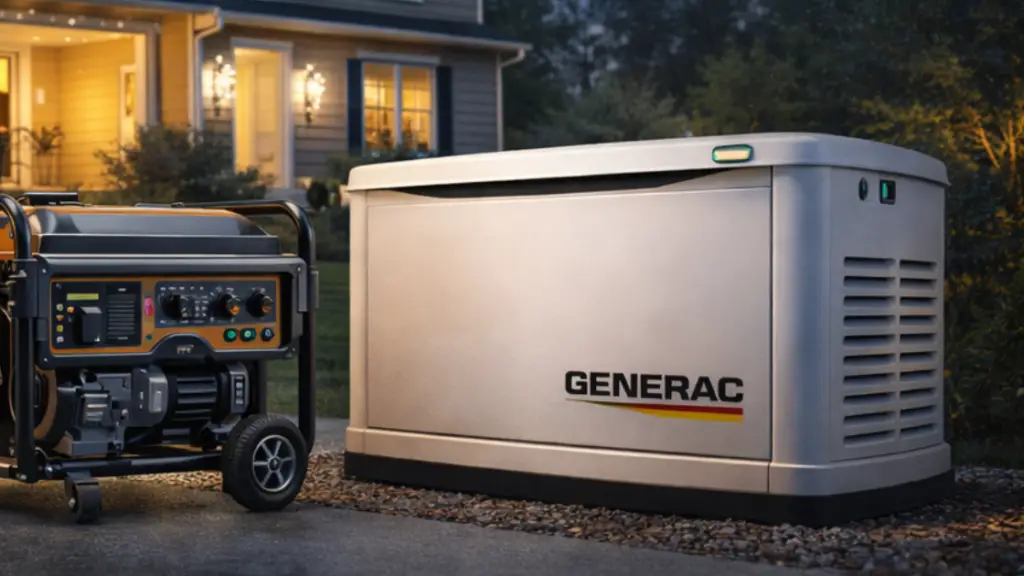
Most residential generators fall into two main categories:
- Portable generators
- Standby generators
Understanding the difference is the first step in making a smart, future-proof decision.
Portable vs Standby Generators: What’s the Difference?
Portable Generators
Portable generators are smaller, mobile units that typically run on gasoline or propane.
Pros:
- Lower upfront cost
- Easy to transport
- Ideal for short-term outages or limited power needs
Cons:
- Manual setup and startup
- Limited power output
- Requires extension cords and safe outdoor placement
- Needs refueling during use
Portable units are popular for homeowners who want flexibility or need temporary power—but they’re not designed to run an entire home seamlessly.
Standby Generators
Standby generators are permanently installed outside your home and connect directly to your electrical system.
Pros:
- Automatic power restoration
- Can power most or all of your home
- Runs on natural gas or propane
- Seamless, hands-free operation
Cons:
- Higher upfront investment
- Requires professional installation
If you’re serious about whole-home reliability, standby units are often considered the best generators for home use, especially in areas with frequent or prolonged outages.
Home Backup Generator Options Explained
When evaluating home backup generator options, think in terms of priority loads. The systems you absolutely want running during an outage.
Common essentials include:
- Refrigerators and freezers
- HVAC systems
- Medical equipment
- Lighting and outlets
- Internet and security systems
Some homeowners choose partial backup systems, while others prefer whole-home coverage. The right choice depends on your power needs, budget, and how much inconvenience you’re willing to tolerate when the grid goes down.
(If the answer is “none,” you’re not alone.)
How to Size a Generator for Your Home
Generator sizing is where many people go wrong. Bigger isn’t always better, and smaller definitely isn’t safer.
To size a generator properly, you need to account for:
- Starting wattage vs running wattage
- Appliances with motors (HVAC, refrigerators, pumps)
- Simultaneous power usage
This is why professional guidance matters. An undersized generator will trip breakers or shut down. An oversized one can be inefficient and costly.
Electricity doesn’t like being overworked; it will absolutely complain.
Generator Installation Considerations (This Part Matters)
One of the most overlooked aspects of buying a generator is generator installation considerations.
A generator is not a plug-and-play appliance. Proper installation ensures:
- Safe electrical transfer during outages
- Code compliance
- Protection against backfeeding
- Correct load balancing
Standby generators require:
- Transfer switches
- Utility coordination
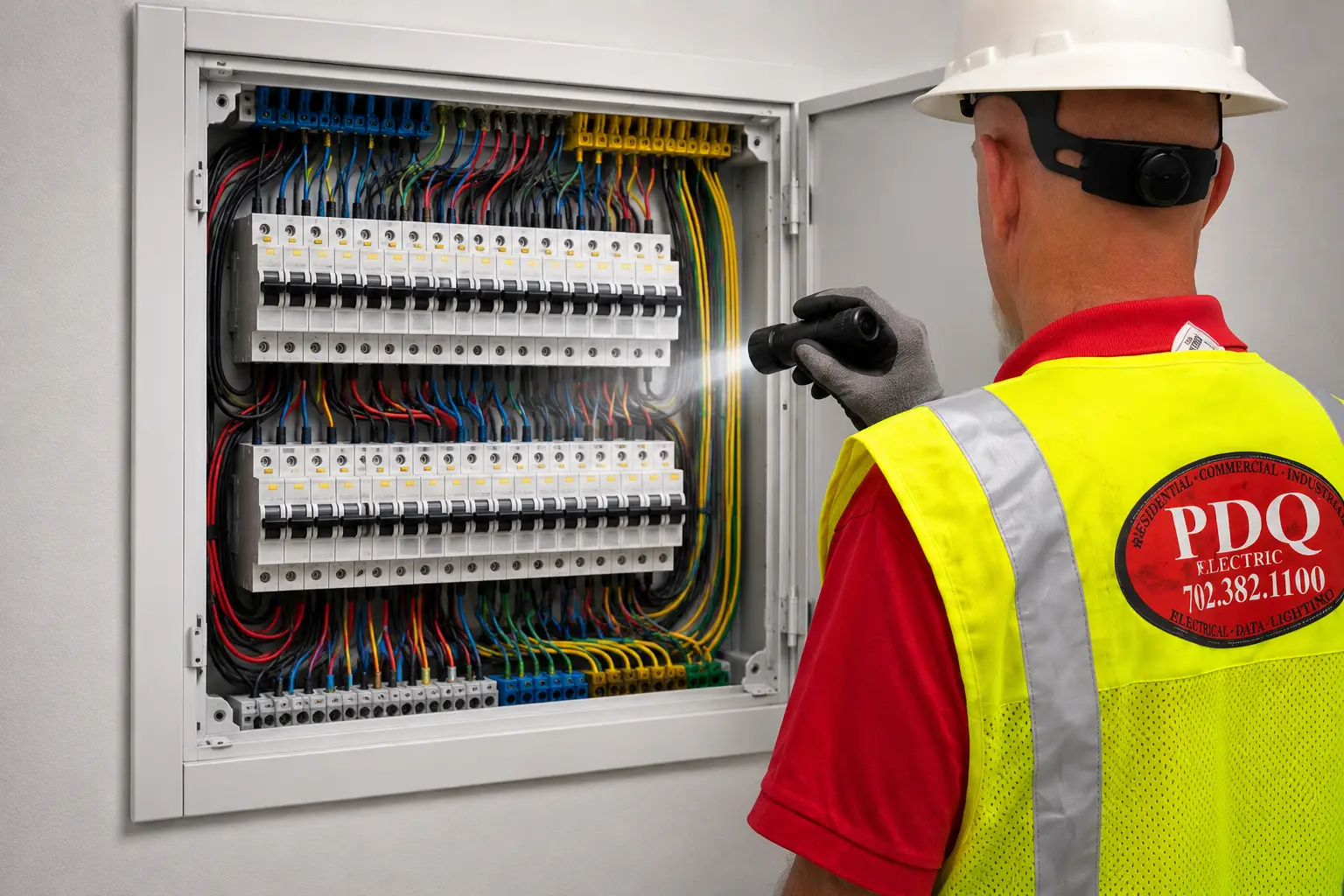
- Electrical panel integration
- Permits and inspections
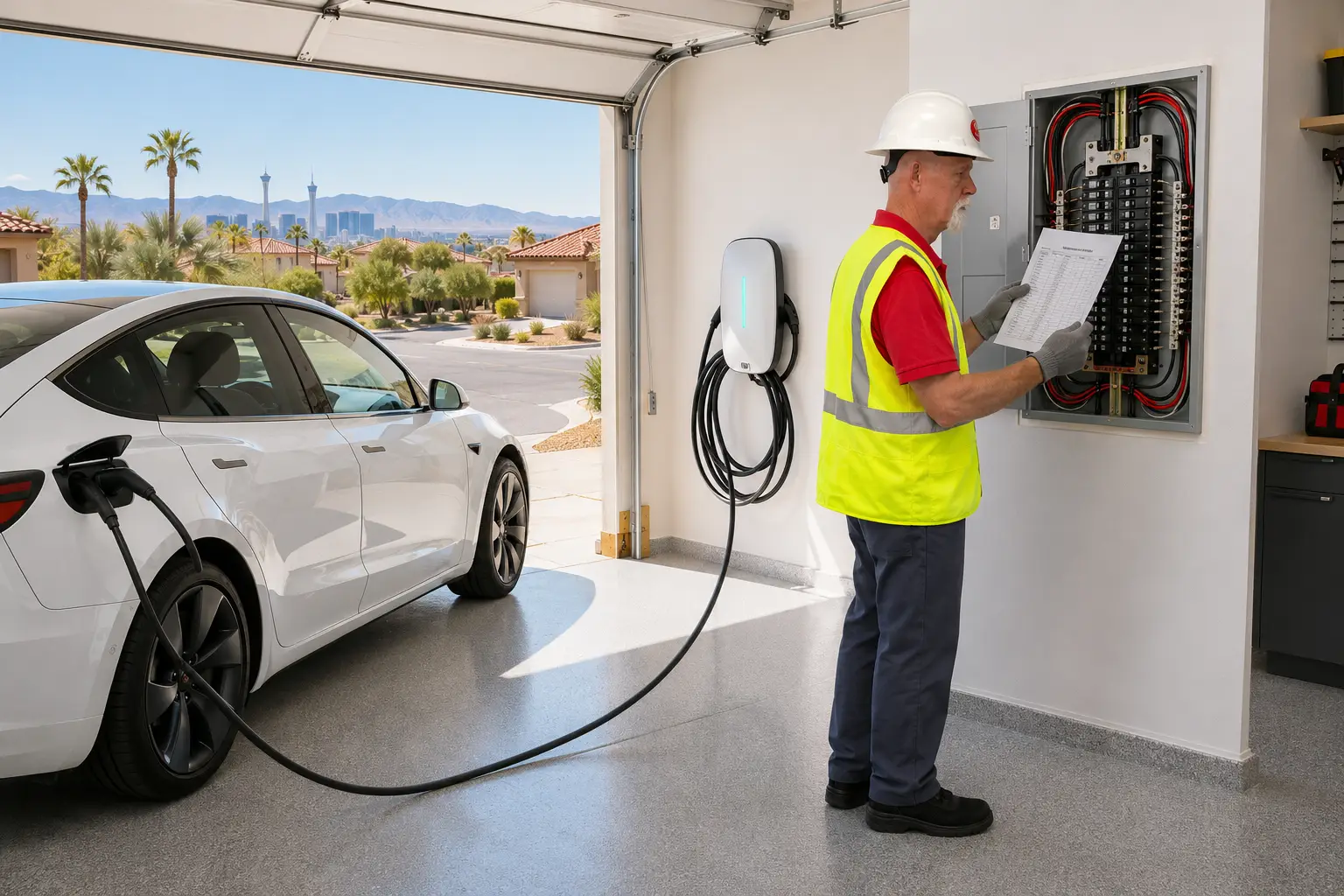
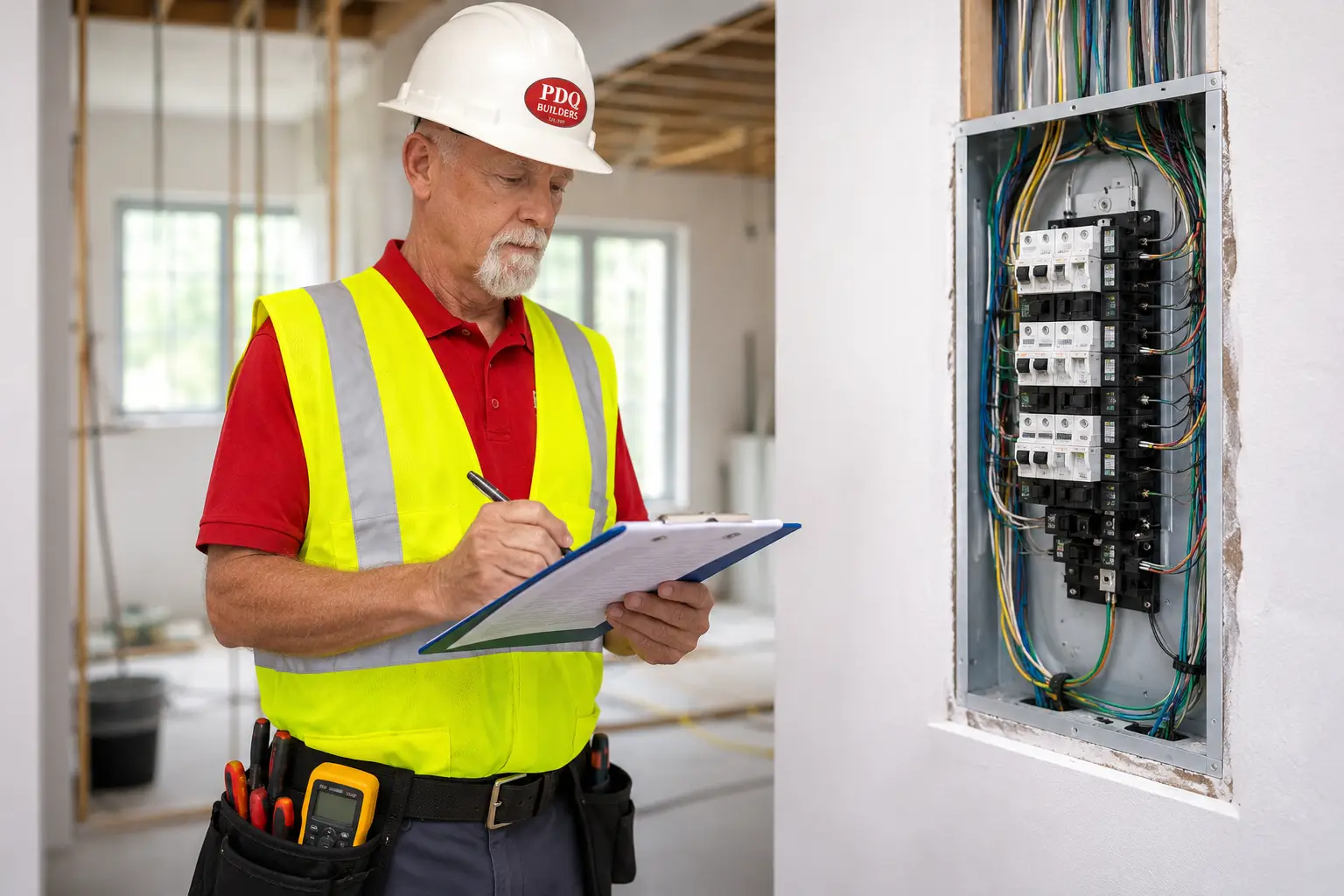
This is where working with licensed professionals, like PDQ Electric, makes all the difference. A properly installed generator protects your home, your appliances, and utility workers.
Plus, it prevents your generator from becoming an expensive lawn ornament.
Fuel Types: What Should You Choose?
Fuel choice affects performance, cost, and availability during outages.
Common fuel options include:
- Natural gas
- Propane
- Gasoline
Natural gas and propane are preferred for standby systems due to continuous supply and cleaner operation. Gasoline-powered units require storage and refueling, which can be inconvenient during long outages.
If convenience is king, fuel matters.
Maintenance and Longevity
Generators aren’t “set it and forget it” forever. Regular maintenance keeps them reliable when you actually need them.
Good maintenance includes:
- Oil changes
- Battery checks
- Load testing
- Annual inspections
Standby generators often self-test weekly, which is basically their way of saying, “I’m ready whenever you are.”
Cost vs Value: What Are You Really Paying For?
While standby generators cost more upfront, they offer:
- Higher resale value
- Greater reliability
- Long-term convenience
- Reduced outage stress
Portable generators cost less initially but require hands-on operation and offer limited coverage.
The real question isn’t price; it’s how much uninterrupted power is worth to you.
2026 SEO & Smart Home Trends to Consider
Looking ahead, generators are increasingly integrated with:
- Smart home systems
- Energy monitoring
- Hybrid solar and battery setups
Choosing a generator that supports future upgrades ensures your investment stays relevant, not obsolete over time.
Power planning is no longer optional; it’s part of modern home ownership.
Frequently Asked Questions (FAQ)
What are the best generators for home use?
The best generators for home use depend on your power needs, home size, and outage frequency. Standby generators are ideal for whole-home backup, while portable generators work well for limited or temporary power needs.
Is a portable or standby generator better for my home?
Portable vs standby generators each serve different purposes. Portable units are budget-friendly and flexible, while standby generators offer automatic, whole-home power with minimal effort during outages.
Do generators need professional installation?
Yes, especially standby generators. Proper installation ensures safety, code compliance, and correct power transfer. Incorrect installation can damage your home or create serious hazards.
How long can a home generator run?
Run time depends on fuel type and load. Standby generators connected to natural gas can run indefinitely during outages, while portable generators require refueling.
Are generators worth the investment?
For many homeowners, yes. Generators provide comfort, safety, and reliability during outages and can increase home value while reducing stress.
Choosing the right generator isn’t about fear; it’s about preparation. The best generators for home use are the ones that match your lifestyle, protect your essentials, and are installed correctly the first time.
Because when the lights go out, the only surprise you want is how calm you feel.
And remember; electricity is powerful, but planning is even more powerful.