You’ve scheduled the inspection, cleared your calendar, and now you’re wondering—what exactly do I need to do before the electrician shows up? Preparing for a home electrical inspection doesn’t have to feel stressful. Instead, it can be straightforward and even educational when you know what to expect.
In this article, we’ll explain how to prepare for electrical inspection, why these checkups matter, and the best practices that keep your home safe. By the end, you’ll walk away with confidence—and maybe even impress your inspector.
Table of Contents
- Why Electrical Inspections Are Important
- How to Prepare for Electrical Inspection
- Home Electrical Inspection Practices
- The Home Inspection Electrical Checklist
- Frequently Asked Questions
Why Electrical Inspections Are Important
The importance of regular electrical inspections goes far beyond convenience. According to the National Fire Protection Association (NFPA), faulty wiring accounts for thousands of house fires every year. Because of that, routine inspections serve as your first line of defense against preventable hazards.
Think of an inspection like an annual doctor’s appointment. You wouldn’t ignore chest pain, so why overlook tripping breakers, flickering lights, or outlets that smell like burnt toast? When you catch problems early, you avoid expensive repairs and keep your family safe.
How to Prepare for Electrical Inspection
So, how should you actually get ready? Fortunately, you don’t need to rewire your entire home overnight. Instead, focus on a few practical steps that help the inspector do their job efficiently.
Steps to Prepare:
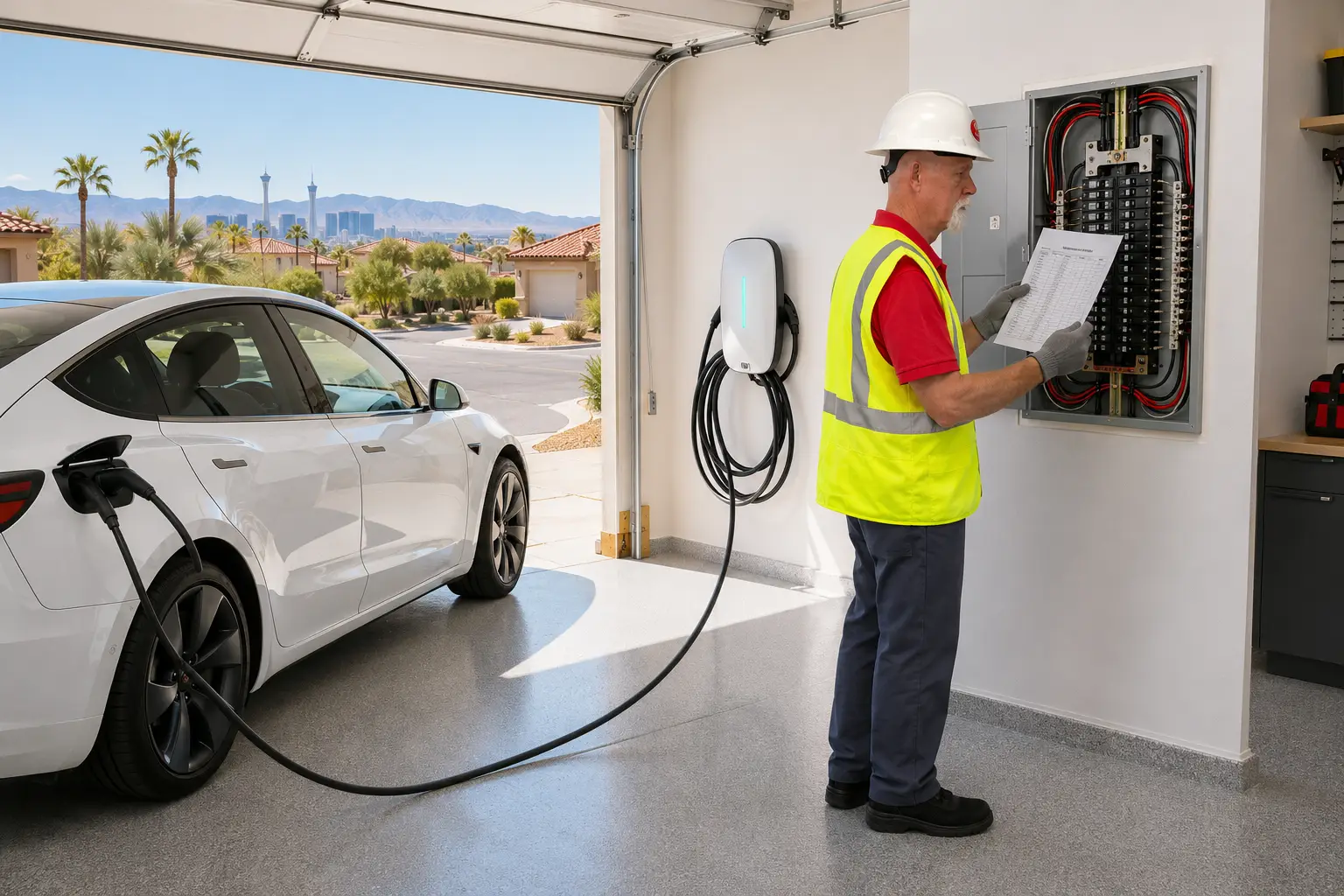
- Clear Access Points: Move furniture, boxes, or holiday decor so the inspector can easily reach panels and outlets.
- Fix the Obvious Issues: Replace missing outlet covers, secure exposed wires, and remove overloaded power strips.
- Label Your Breakers: Clear labeling saves everyone time and proves you know your way around your electrical system.
- Test Smoke & Carbon Detectors: Inspectors often check them, so fresh batteries help you pass without a hiccup.
When you follow these steps, the inspection runs smoother and reveals fewer surprises.
Home Electrical Inspection Practices
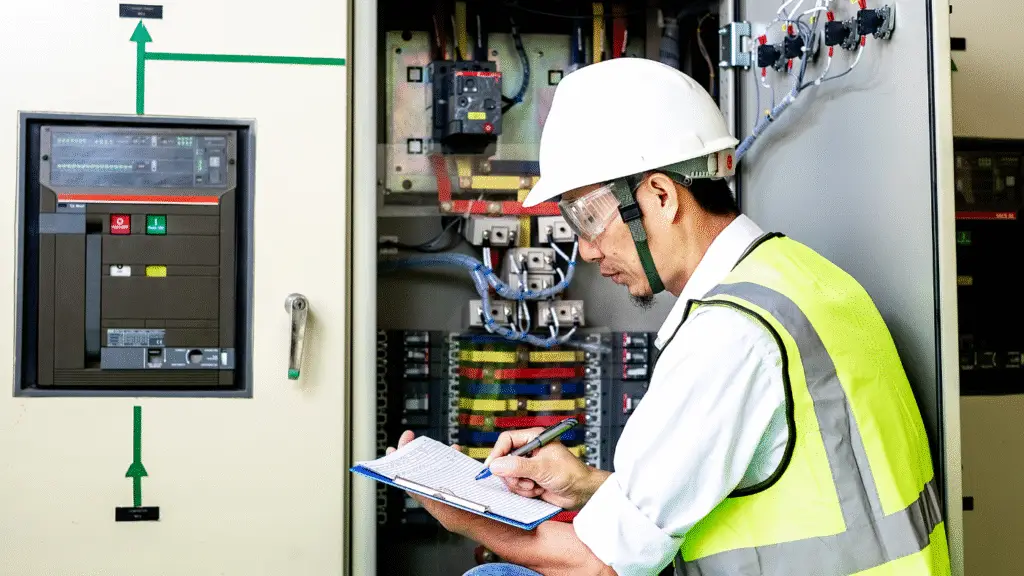
During an inspection, electricians review several common problem areas. For example, they examine:
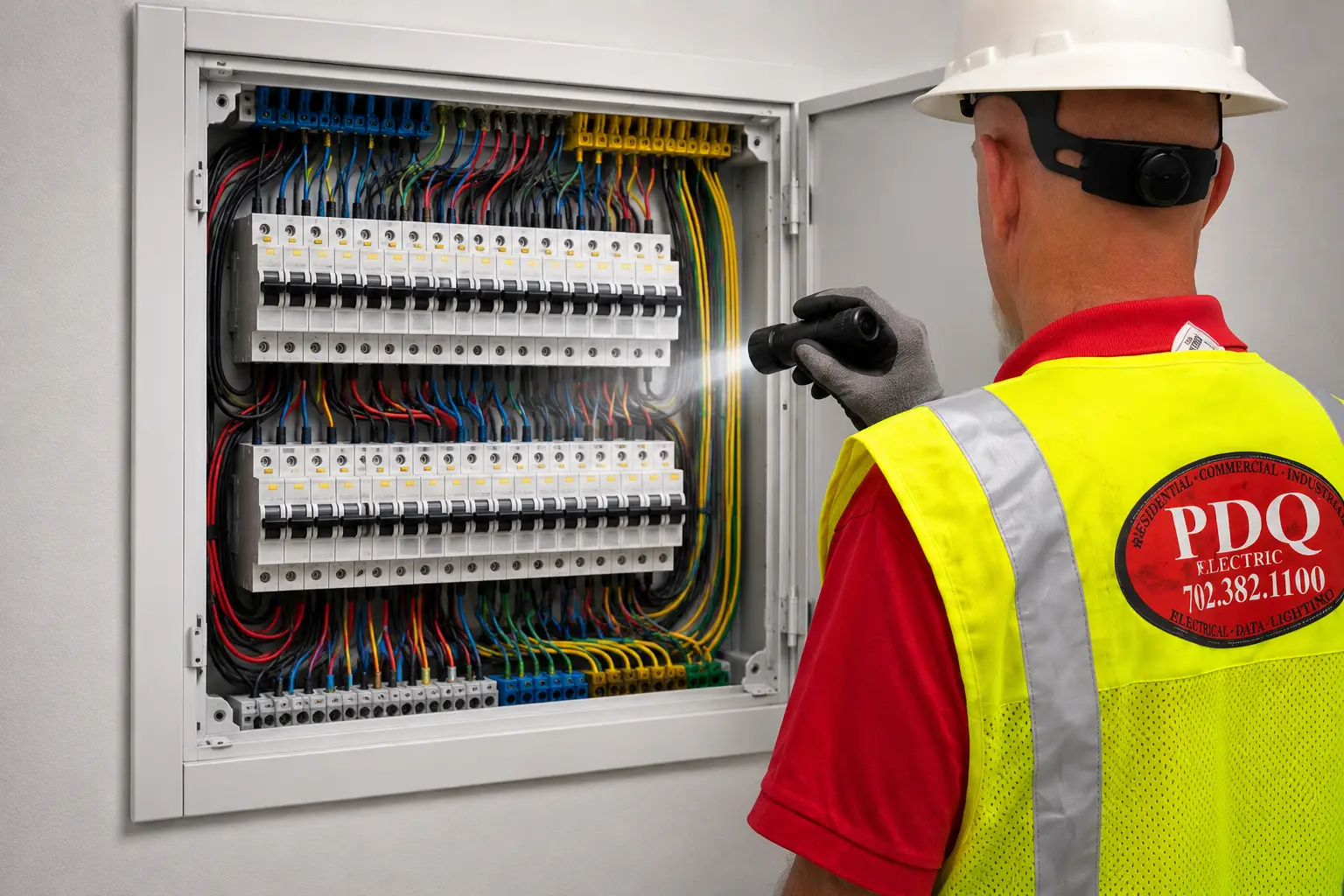
- The condition of your service panel and grounding.
- Whether GFCI outlets exist in kitchens, bathrooms, and garages.
- How many extension cords you rely on (spoiler: too many is never good).
- The type of wiring inside your home—outdated knob-and-tube or aluminum often requires replacement.
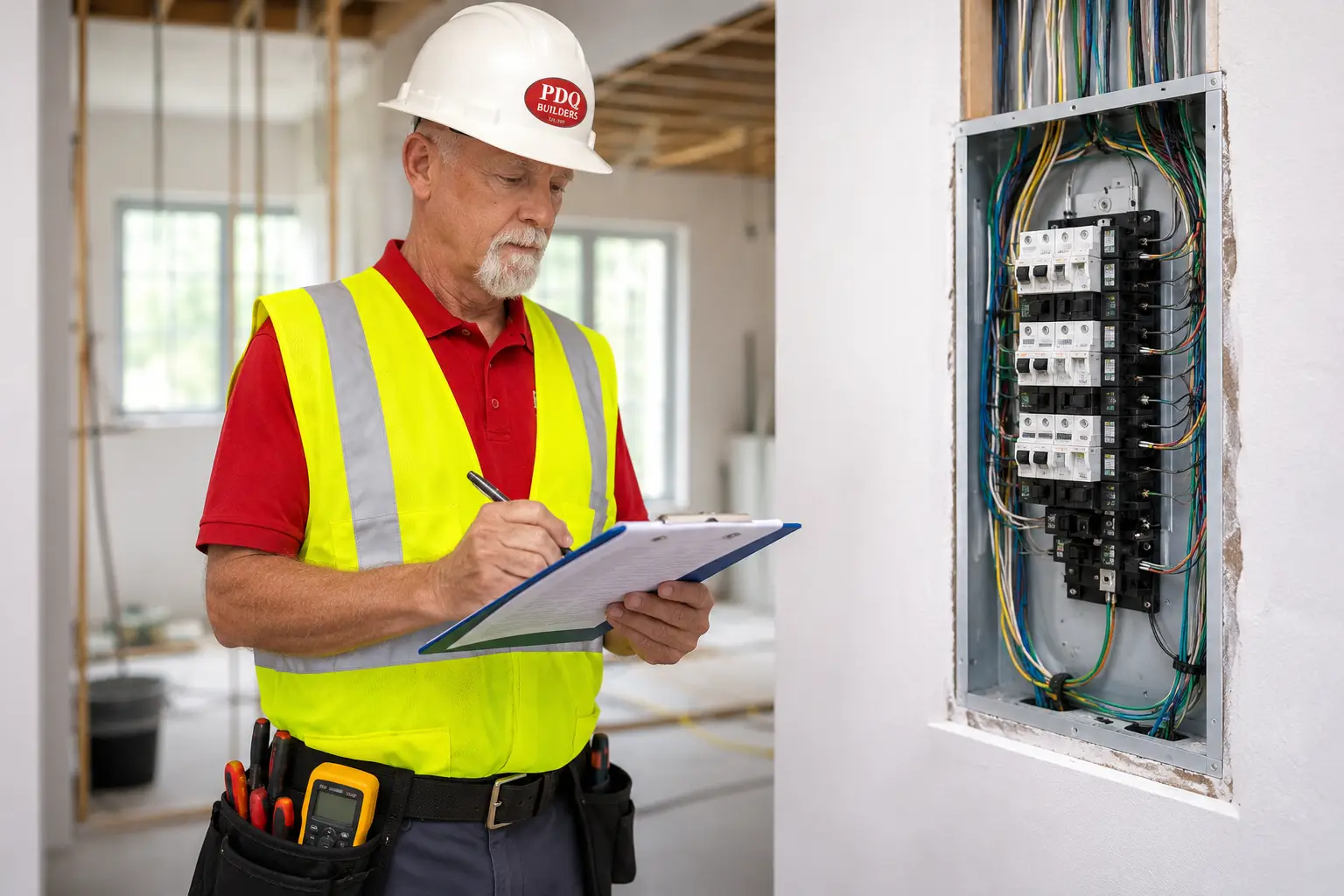
Additionally, inspectors love seeing documentation. If you recently remodeled, make sure your permits are filed and closed. Clear paperwork demonstrates that you followed the rules, and that makes a great impression.
The Home Inspection Electrical Checklist
Here’s a home inspection electrical checklist to guide your prep work:
- Main panel is clear and accessible.
- Outlets and switches have faceplates.
- Wires remain intact with no visible frays.
- Breakers are neatly labeled.
- Smoke and CO detectors work properly.
- GFCIs function in all wet areas.
- Power strips are used responsibly.
- Light fixtures use the correct bulbs.
- Outdoor outlets are sealed with covers.
- Surge protection exists for sensitive electronics.
By running through this list, you’ll feel confident on inspection day.
Frequently Asked Questions
Q: How often should I schedule a home electrical inspection?
A: Experts suggest every 3–5 years for newer homes. However, older homes benefit from more frequent checks.
Q: Can I do my own inspection?
A: You can review the basics, but only a licensed electrician can identify deeper safety issues.
Q: Will the inspector shut off my power?
A: Yes, but only briefly. Don’t worry—you won’t lose your entire Netflix binge.
Q: What’s the most common issue inspectors find?
A: Overloaded circuits, missing GFCIs, and outdated wiring top the list.
Q: Do inspections help increase resale value?
A: Absolutely. A safe electrical system reassures buyers and boosts confidence in your home.
Preparing for an inspection doesn’t require perfection; it requires intention. By following home electrical inspection practices and sticking to a home inspection electrical checklist, you show your commitment to safety.
Ultimately, your home’s electrical system acts like its heartbeat. When it’s strong, everything runs smoothly. When it falters, the whole house feels it. So don’t wait for sparks or smoke to tell you something’s wrong.
Call PDQ Electric today to schedule your inspection or ask about upgrades that keep your home safe. Because your peace of mind should never be left to chance.