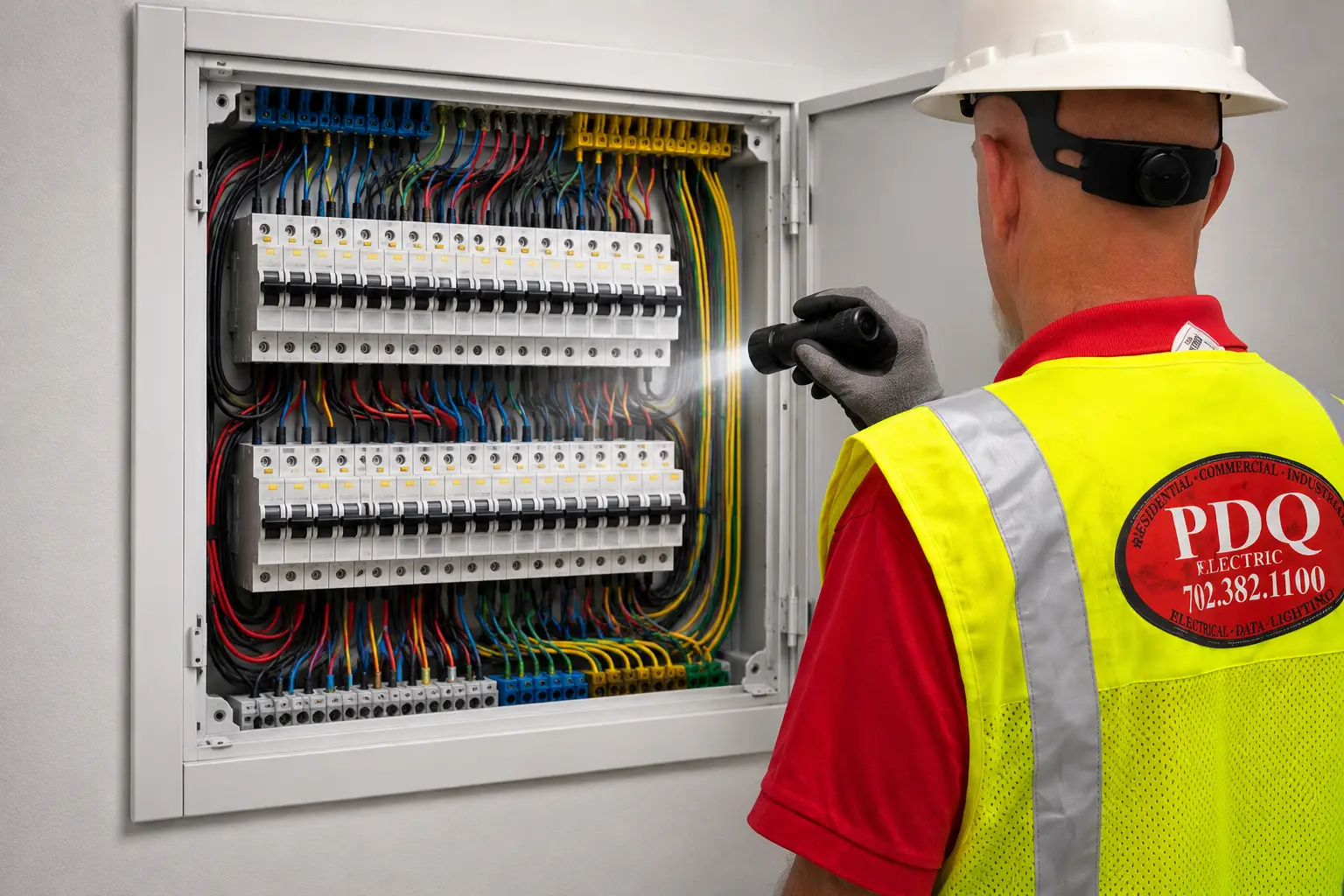

When was the last time you thought about how much electricity your home actually needs? Probably right after you flipped a breaker making toast, running the blender, and charging your phone all at once. That, my friend, is why understanding calculating electrical load requirements is so important.
In this post, we’ll break down why these calculations matter, how they work, and what you should know if you’re planning a home upgrade. Don’t worry—we’ll skip the mind-numbing equations and give you electrical load calculation tips with just enough personality to keep things fun (and shock-free).
Table of Contents
- What Is an Electrical Load Calculation?
- Why Calculating Electrical Load Requirements Matters
- Load Calculation for Home Upgrades: Do’s and Don’ts
- Electrical Load Calculation Tips for Homeowners
- Real-World Examples of Home Electrical Load Calculation
- Frequently Asked Questions
1. What Is an Electrical Load Calculation?
An electrical load calculation is like a grocery list for your home’s power needs. It’s the process of adding up all the appliances, lighting, outlets, and systems that draw electricity so you know how much your electrical panel can safely handle.
Think of your home’s panel as the cashier—if you bring too much to the checkout (say, that double-door fridge, hot tub, and EV charger), the cashier may “refuse service” (aka, trip a breaker).
The National Electrical Code (NEC) actually requires proper home electrical load calculation to ensure safety and efficiency.
2. Why Calculating Electrical Load Requirements Matters
Skipping this step is like trying to squeeze a marching band into a Mini Cooper—not safe, not practical, and definitely loud when something goes wrong.
Importance of load calculations:
- Prevents overloads that cause fires or damage.
- Ensures your home’s panel can handle future upgrades (think EV chargers or solar panels).
- Helps electricians determine whether you need a panel upgrade before adding new circuits.
- Saves you money by preventing wasted energy or unnecessary rewiring.
3. Load Calculation for Home Upgrades: Do’s and Don’ts
Planning to add a sauna, a Tesla charger, or that dream outdoor kitchen? Each of these requires extra power.
Do:
- Consult a licensed electrician for accurate calculations.
- Factor in both fixed appliances (like your AC unit) and plug-in devices (like gaming systems).
- Plan for growth—you don’t want to redo this every time you buy a new toy.
Don’t:
- Guess your numbers (your math teacher warned you about this).
- Ignore major power-hungry appliances like dryers, ovens, and HVAC systems.
- Forget about continuous loads (things that run for 3+ hours like air conditioning).
4. Electrical Load Calculation Tips for Homeowners
Here are some quick, practical electrical load calculation tips:
- Start with square footage. NEC guidelines suggest 3 watts per square foot of living space.
- Add fixed appliances. Fridge, oven, washer, dryer—these all count.
- Don’t forget lighting. Include general and task lighting.
- Factor in special circuits. Pools, spas, or workshop tools need dedicated calculations.
- Consult NEC guidelines or an electrician. This isn’t a DIY “guess-and-go” project.
5. Real-World Examples of Home Electrical Load Calculation
- Example 1: A 2,000 sq ft home = 6,000 watts just for general lighting and outlets. Add in a 5,000-watt range, 3,500-watt dryer, and 4,000-watt AC system, and suddenly you’re well past what a 100-amp panel can handle.
- Example 2: Upgrading to solar with battery storage? Your electrician uses load calculation for home upgrades to ensure your system won’t underperform on cloudy days.
Even the U.S. Department of Energy emphasizes proper calculations as part of home energy efficiency planning.
6. Frequently Asked Questions
Q: Can I calculate my home’s load myself?
A: You can estimate, but NEC compliance requires a licensed electrician for safety and accuracy.
Q: How do I know if I need a panel upgrade?
A: If you have a 100-amp panel in a modern home with big appliances, you probably do.
Q: What’s the biggest risk of skipping load calculations?
A: Overloading circuits, which can cause fires or damage sensitive electronics.
Q: Is there software that does load calculations?
A: Yes, but you still need an electrician to verify results and apply local codes.
Q: How often should I redo a load calculation?
A: Anytime you’re making a major upgrade, renovation, or adding big appliances.
Understanding calculating electrical load requirements isn’t just an NEC box-checking exercise—it’s your home’s way of saying, “Don’t push me past my limits!” With the right math (and a little humor), you can protect your house, your family, and your future upgrades.
Thinking about a remodel or just tired of tripped breakers? Call PDQ Electric today for a professional home electrical load calculation. We’ll make sure your home is powered up safely—without the sparks.