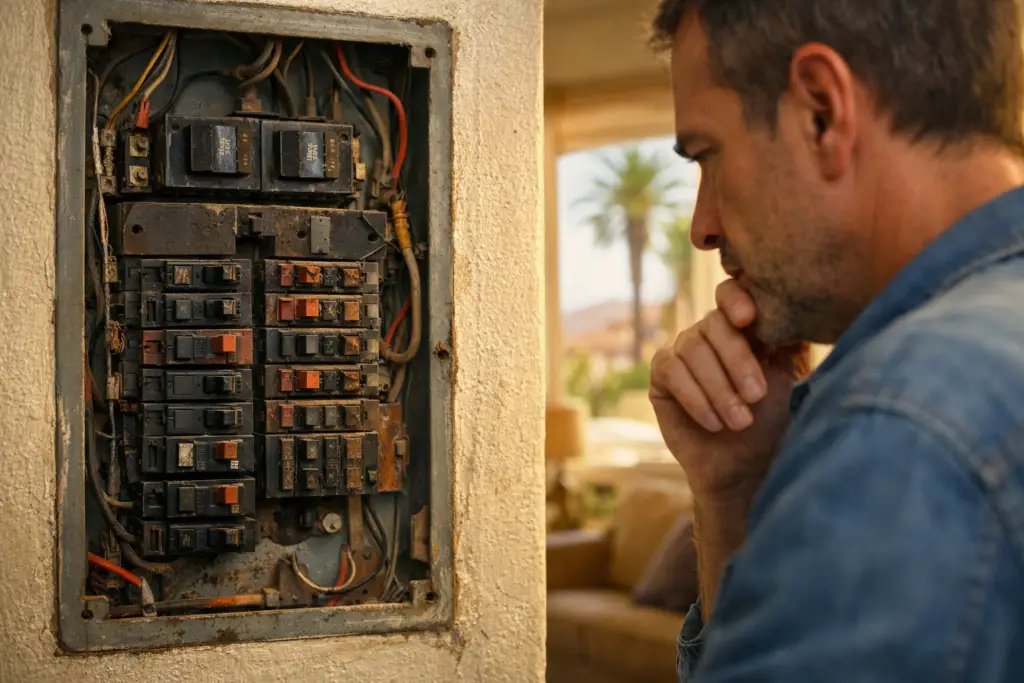
Electrical systems quietly power everything in a home, from air conditioning during triple-digit summers to modern appliances and home offices. But aging electrical equipment can create hidden risks. In fact, the National Fire Protection Association reported about 44,880 home fires linked to electrical failures in a recent year, resulting in significant property damage and safety concerns.
For many homeowners, the issue surfaces unexpectedly during an insurance review or home inspection. Old electrical panels in Las Vegas, especially certain legacy brands, are increasingly being flagged by insurance companies evaluating fire risk.
If your home was built decades ago, your electrical panel may be one of the first things an insurance company reviews. Understanding why this happens and when an upgrade may be recommended can help you avoid coverage issues while improving the safety and reliability of your home’s electrical system.
Why Insurance Companies Review Old Electrical Panels in Las Vegas
Electrical panels serve as the central hub that distributes power throughout your home. Every outlet, appliance, and light ultimately relies on this system to safely control electricity. When the panel is outdated or known to have reliability issues, insurance providers may see it as a potential liability.
Insurance carriers evaluate risk during the underwriting process. If a home contains equipment that historically fails or contributes to electrical fires, it can trigger additional inspection requirements or policy restrictions. According to industry analysis, outdated electrical panels are frequently cited as a higher risk because they may fail to shut off power during overloads, increasing the likelihood of electrical fires.
This is especially relevant in Las Vegas homes, where heavy electrical demand is common. High-capacity air conditioning systems, electric appliances, and home technology create larger loads than many panels from the 1960s–1980s were originally designed to handle.
For insurers, the concern is simple: older electrical equipment may increase the probability of claims related to fire or system failure.
What Insurers Typically Look For
During underwriting or inspections, insurance companies often check:
- Panel manufacturer and model
- Age of the electrical system
- Evidence of overheating or modifications
- Code compliance and capacity
If the panel type is known to have reliability problems, it may be flagged immediately.
Electrical Panels Often Flagged by Insurance Carriers
Several electrical panel brands have developed reputations for reliability concerns over the years. Because of these concerns, they are frequently flagged by insurance companies during home inspections.
One of the most commonly cited examples is Federal Pacific Electric (FPE) panels. These panels were widely installed between the 1950s and 1980s but have since been linked to breaker failures where circuits may not shut off during overload conditions.
Similarly, Zinsco panels have documented issues involving breaker malfunctions and corroded internal components. These conditions can lead to overheating and unreliable circuit protection.
Older Challenger panels may also receive additional scrutiny depending on the specific model and installation age.
For homeowners in Las Vegas, these panel types often appear in properties built between the 1960s and early 1990s, particularly in older neighborhoods where electrical systems have not been upgraded.
Signs Your Home May Have an Older Panel
Common indicators include:
- A home built before the 1990s
- Breakers labeled “FPE,” “Zinsco,” or “Stab-Lok”
- Limited breaker space
- Frequent breaker trips or flickering lights
If you notice these signs, a licensed electrician can help determine whether the panel should be inspected or evaluated.
What Happens If Your Electrical Panel Is Flagged
If an insurance company identifies old electrical panels in Las Vegas homes, several outcomes may occur depending on the carrier and the specific panel model.
Some homeowners may experience higher premiums because the property is considered higher risk. In other cases, insurers may issue conditional approval, meaning the homeowner must replace the panel within a certain timeframe to maintain coverage.
In more serious situations, homeowners may receive coverage denial or non-renewal notices until the electrical system is updated.
Insurance companies may also require documentation from a licensed electrician confirming the condition of the panel or recommending replacement.
While these requirements can feel frustrating, they are ultimately tied to risk reduction. Electrical systems that meet modern safety standards are far less likely to experience catastrophic failures.
Benefits of Upgrading an Old Electrical Panel
Replacing an outdated electrical panel isn’t just about meeting insurance requirements—it also improves the overall performance and safety of your home’s electrical system.
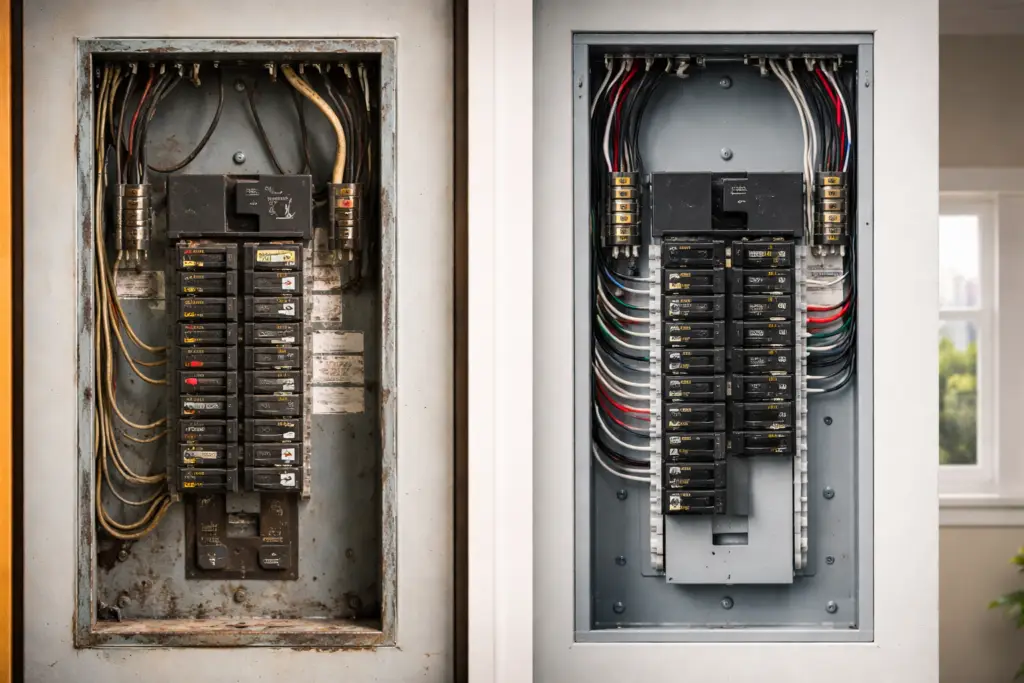
Modern electrical panels include advanced circuit protection and are designed to support today’s electrical demand. Features like arc-fault and ground-fault protection help prevent electrical fires and shocks.
In Las Vegas, homes frequently rely on heavy electrical loads due to high-capacity HVAC systems and multiple electronic devices. Upgrading your panel ensures your system can safely manage that demand.
Another advantage is long-term reliability. Older panels may develop corrosion, loose connections, or failing breakers over time. A new panel eliminates these aging components and provides a clean, properly balanced electrical system.
Electrical Panel Upgrade Process
A typical panel upgrade involves:
- Electrical system inspection
- Load calculation and panel sizing
- Permit and code compliance
- Removal of the old panel
- Installation of a new modern panel
- Inspection and power restoration
Most standard upgrades can be completed within a single day depending on the home’s electrical configuration.
When Las Vegas Homeowners Should Consider a Panel Inspection
Not every older electrical panel needs immediate replacement, but an inspection is often recommended if your home falls into certain categories.
If your home was built several decades ago and still contains its original electrical equipment, a professional evaluation can help determine whether the panel meets current safety standards.
Inspections are also common when homeowners are:
- Renewing home insurance policies
- Buying or selling a home
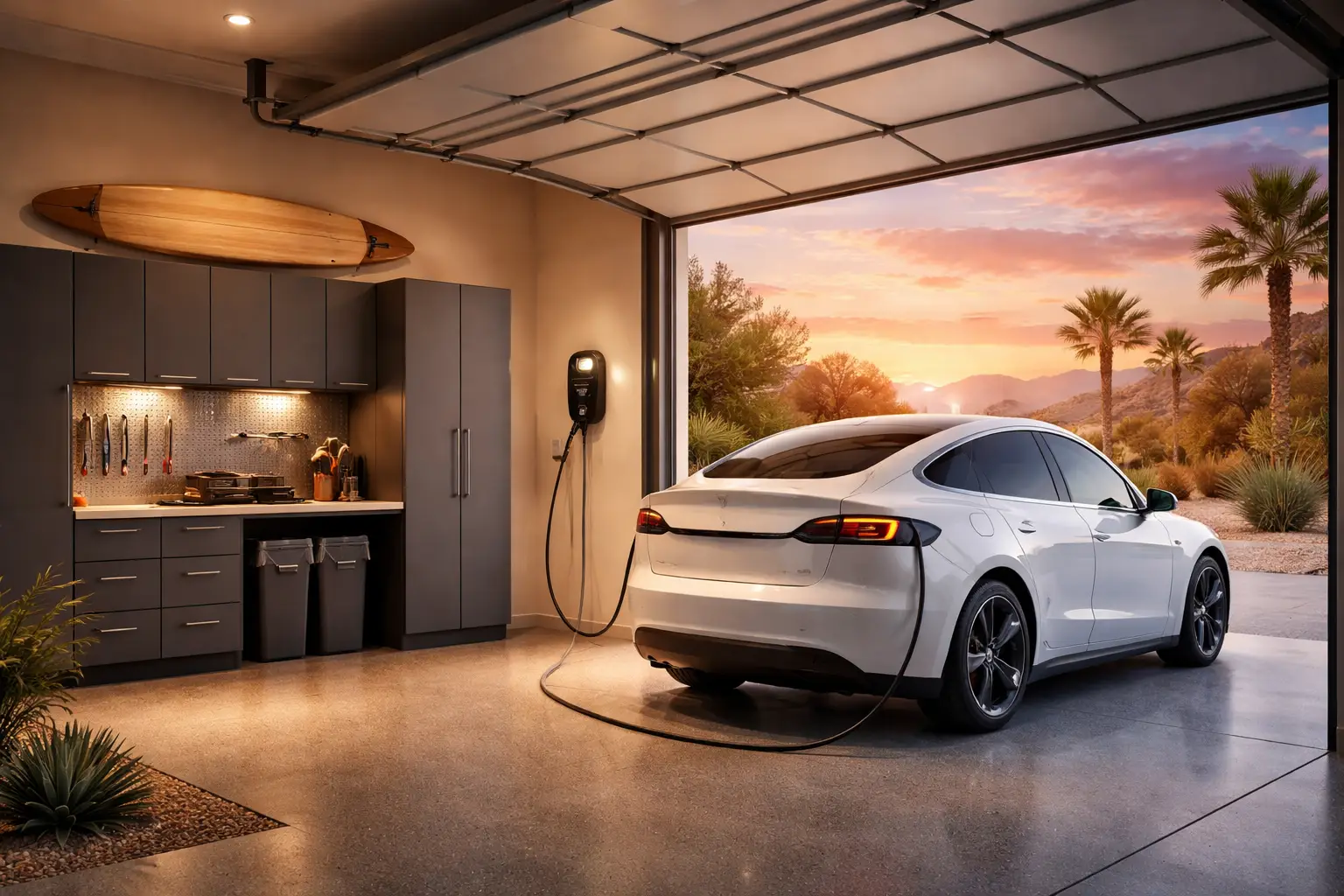
- Installing EV chargers or new appliances
- Remodeling kitchens or adding circuits
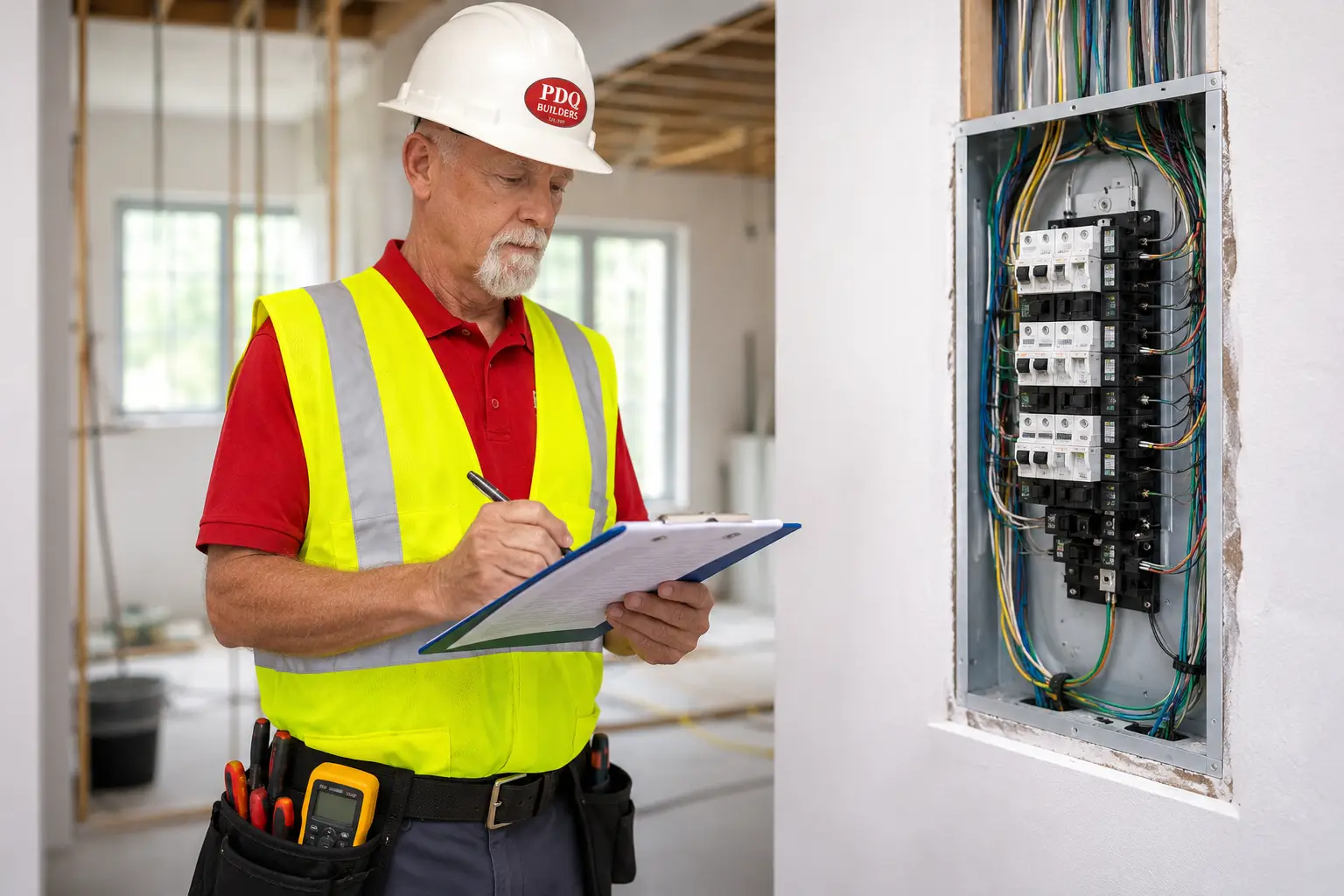
A licensed electrician can check breaker performance, panel capacity, and overall system condition to determine whether the equipment is still operating safely.
Old electrical panels in Las Vegas are becoming an increasingly common factor in home insurance decisions. Panels with known reliability concerns may trigger underwriting reviews, higher premiums, or replacement requirements.
Upgrading to a modern, code-compliant panel can improve safety, support today’s electrical demand, and help avoid potential insurance complications.
If your home may contain an outdated electrical panel, the team at PDQ Electric can help evaluate your system and recommend the best solution. Our licensed electricians provide professional electrical panel upgrade services in Las Vegas designed to improve safety, reliability, and long-term performance.
FAQ
Do insurance companies deny coverage for old electrical panels?
Some insurance companies may deny coverage or require replacement if the electrical panel has known safety concerns. Policies vary by carrier, but panels such as Federal Pacific or Zinsco are commonly flagged during underwriting reviews.
How can I tell if my electrical panel is outdated?
Check the manufacturer label inside the panel door. Brands like Federal Pacific or Zinsco are often associated with older electrical systems. A licensed electrician can confirm the panel type and condition.
Are old electrical panels dangerous?
Certain older panels have documented issues where breakers may fail to trip during overloads, increasing the risk of electrical fires. This is one reason insurance companies may review them during inspections.
How long does an electrical panel upgrade take?
Most standard electrical panel upgrades can be completed within one day, although additional electrical work may extend the timeline depending on the home’s wiring and service capacity.
Will upgrading my electrical panel help with insurance approval?
In many cases, installing a modern, code-compliant panel may satisfy insurance requirements and reduce concerns about electrical fire risk.