After Thanksgiving, most of us are still digesting—both our turkey and our power use. Between air fryers, slow cookers, coffee makers, and a dazzling forest of twinkling lights, your home’s circuits might be feeling a bit stuffed, too.
Understanding how to prevent overload is key to keeping your home safe, efficient, and holiday-ready. In this article, PDQ Electric breaks down the causes, warning signs, and smart fixes for overloaded circuits—so you can enjoy the season without blowing a fuse (literally).
Table of Contents
- What Is an Overloaded Circuit?
- Common Warning Signs
- Why Overloaded Circuits Are Dangerous
- How to Prevent Overload
- Overloaded Circuit Solutions
- Frequently Asked Questions
- Stay Safe with PDQ Electric
What Is an Overloaded Circuit?
An overloaded circuit happens when too many devices or appliances draw power from the same electrical line. Essentially, your circuit’s trying to feed more than it was designed to handle.
Think of it like Thanksgiving dinner—there’s only so much room on the plate! When the demand exceeds the capacity, your breaker trips to prevent overheating or fires.

Common Warning Signs
Watch out for these clues that your home might be running on an overloaded circuit:
- Breakers that trip frequently
- Lights that dim when appliances start up
- Outlets that feel warm or smell burnt
- Buzzing sounds from switches or outlets
- Flickering lights during peak use times
If you notice any of these symptoms, it’s time to call in a professional electrician to check your load balance and wiring condition.
Why Overloaded Circuits Are Dangerous
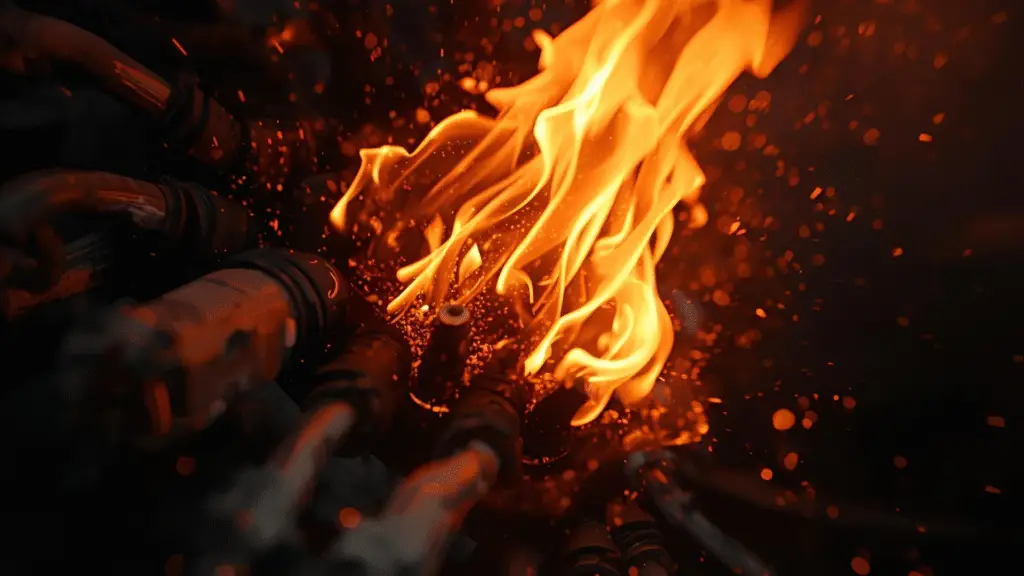
An overloaded circuit isn’t just inconvenient—it’s risky. According to the U.S. Fire Administration, electrical malfunctions cause more than 24,000 residential fires each year, many linked to circuit overloads (source).
Overheating wires can melt insulation, spark fires, or damage sensitive electronics. That’s why preventing circuit overloads is essential for your family’s safety.
How to Prevent Overload
Here’s the good news—you can easily reduce the risk of overload with a few practical steps:
- Distribute appliances: Avoid running multiple high-wattage items (like a space heater and microwave) on the same circuit.
- Know your limits: Most standard home circuits can handle 15–20 amps; exceeding that draws more power than safe.
- Upgrade outlets: Older homes may need rewiring or additional circuits to handle modern electrical loads.
- Use surge protectors wisely: They’re for convenience, not added capacity.
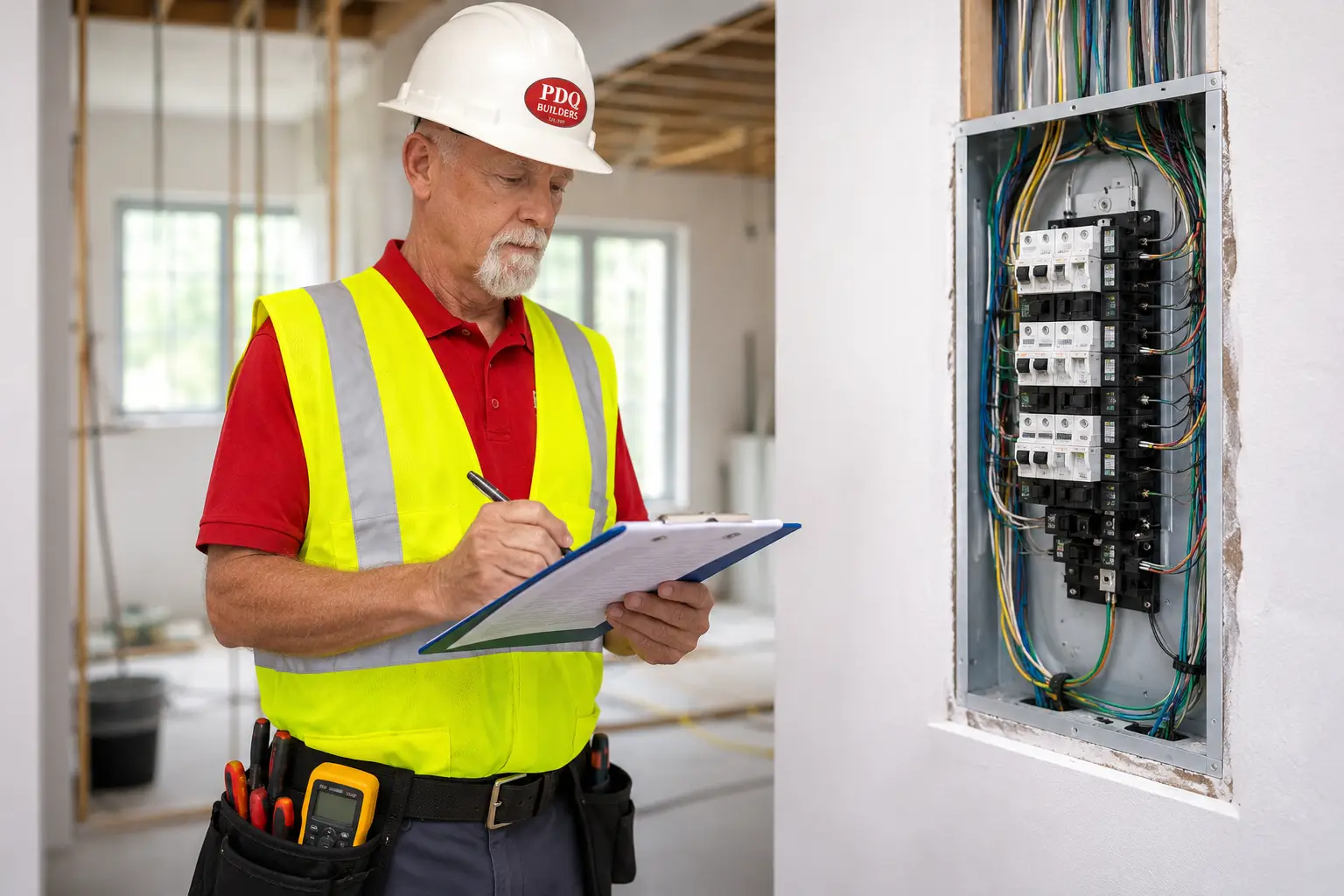
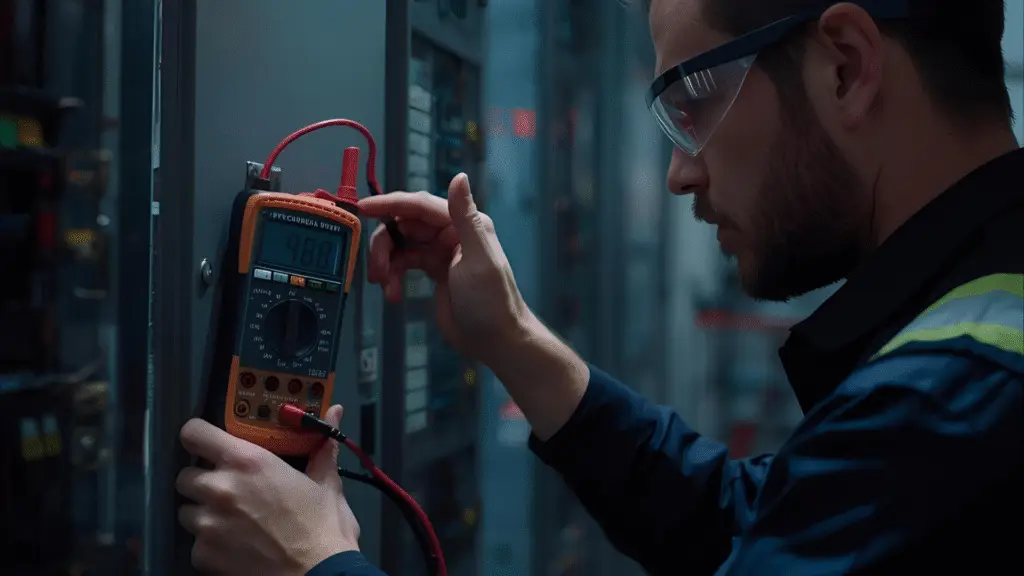
- Get a load calculation: A licensed electrician can measure your actual electrical demand and recommend safe solutions.
Overloaded Circuit Solutions
If your home’s electrical panel is constantly tripping, it’s time for professional help. PDQ Electric offers custom overloaded circuit solutions, including:
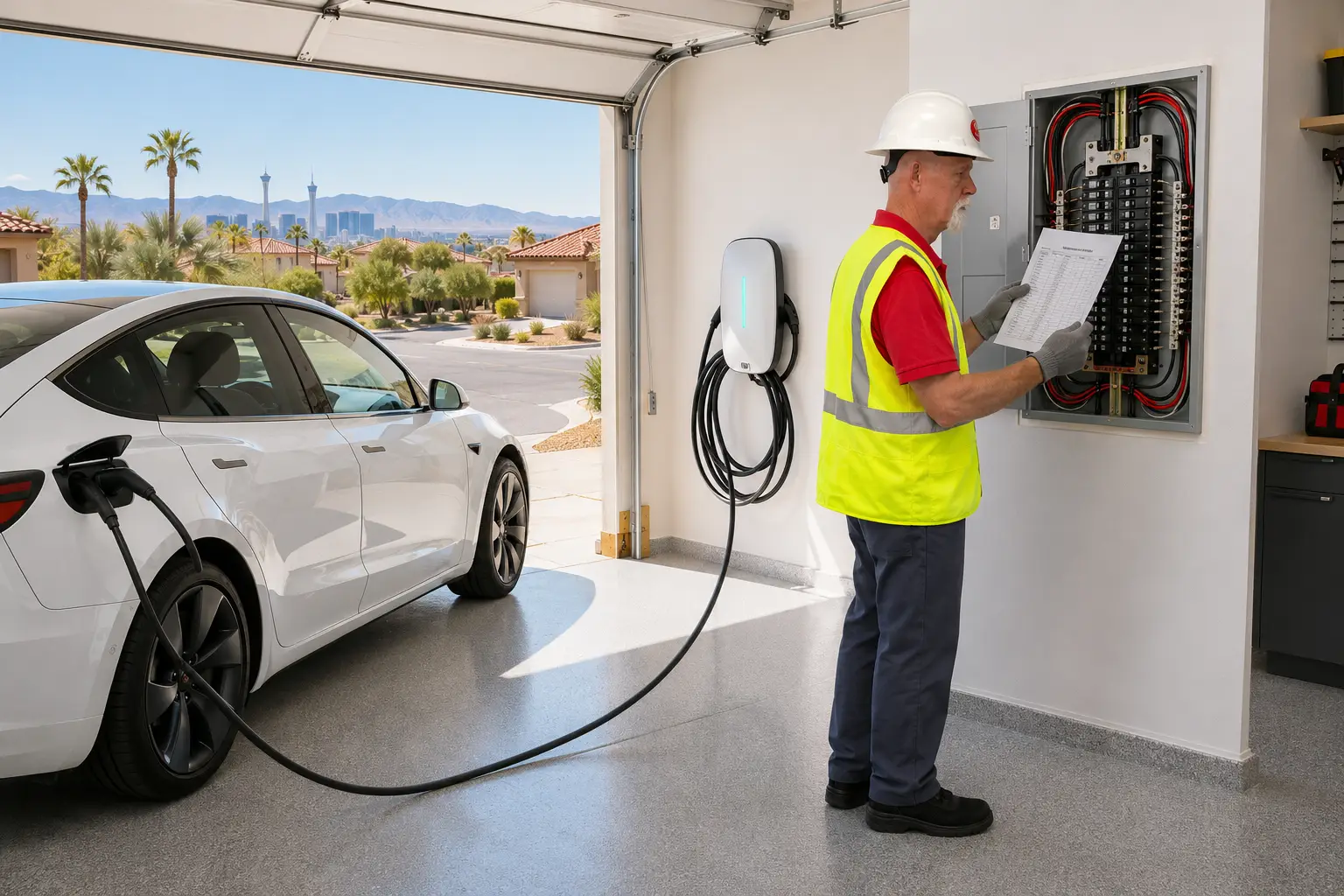
- Dedicated circuits for kitchens, garages, and EV chargers
- Load balancing and breaker panel upgrades
- Smart monitoring systems for energy use
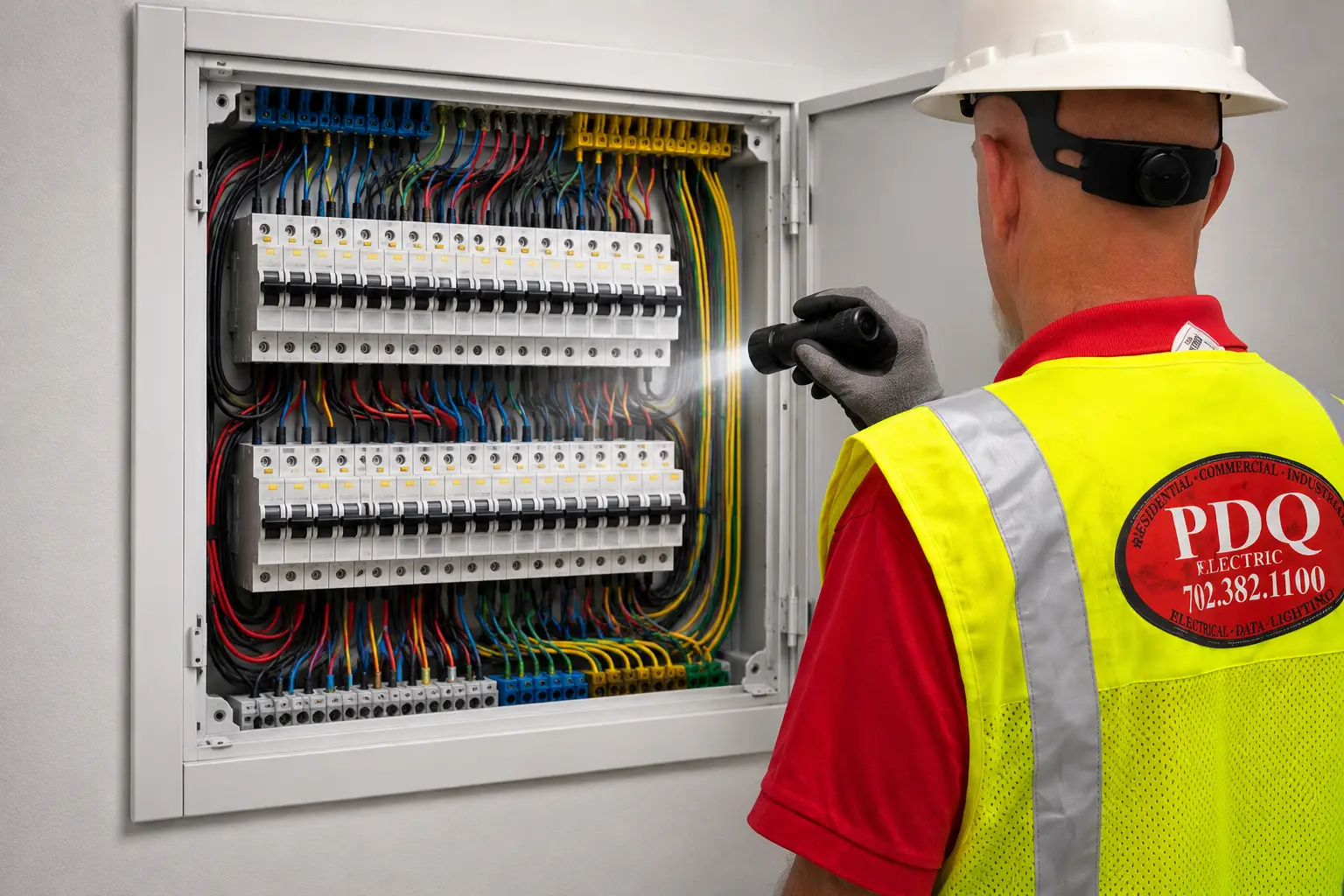
- Comprehensive safety inspections
With the right setup, your home can handle everything from holiday lights to daily appliances—without the drama.
Frequently Asked Questions
Q: Can I just replace my breaker with a higher amp one?
A: No. Doing so can create a fire hazard. The wiring must match the breaker’s amperage rating. Always consult a licensed electrician.
Q: Are power strips safe to use?
A: Only if used properly. Avoid plugging multiple heavy-load devices into one strip, and never daisy-chain multiple power strips together.
Q: How often should I have my circuits inspected?
A: At least every 3–5 years, or immediately if you notice flickering lights, tripping breakers, or warm outlets.
Stay Safe with PDQ Electric
After Thanksgiving, give your home’s circuits the same TLC you gave your turkey leftovers.
If you’re noticing flickers, frequent trips, or overloaded outlets, let PDQ Electric keep your Las Vegas home safe and steady. Our licensed electricians specialize in preventing circuit overloads and keeping your power system running efficiently all season long.
Call 702-382-1100 or visit www.PDQElectricNV.com to schedule your safety inspection today.