Electrical failures are one of the leading causes of residential fires in the United States, according to the National Fire Protection Association (NFPA), which reports tens of thousands of home fires each year linked to electrical distribution systems and lighting equipment (NFPA, 2023). In a desert climate like Las Vegas, where air conditioning systems run heavily for much of the year, electrical demand is even higher.
So the question becomes critical: Are Federal Pacific panels safe in Las Vegas homes?
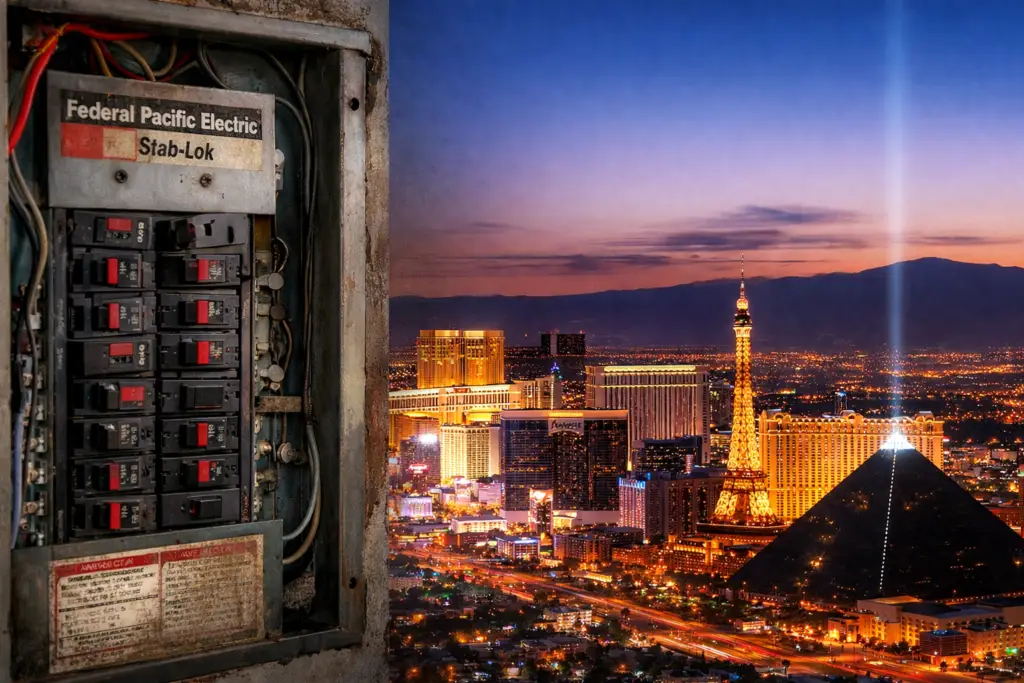
If your property was built between the 1950s and 1980s, there’s a real possibility it may contain a Federal Pacific Electric (FPE) panel — often labeled “Stab-Lok.” While these panels were once widely installed, concerns about breaker reliability have led many electricians and insurers to evaluate them more closely today.
What Is a Federal Pacific Panel?
- Installed widely from the 1950s–1980s
- Manufactured by Federal Pacific Electric (FPE)
- Commonly labeled “Stab-Lok”
- Found in many older Las Vegas neighborhoods
- Subject of long-standing breaker reliability discussions
Federal Pacific Electric panels were once a standard installation across the United States. During the building boom decades, including major development phases in Las Vegas, FPE panels became common in residential construction.
Independent testing and field evaluations later raised concerns regarding breaker performance in certain models. The primary issue reported is that some FPE breakers may fail to trip during overload or short-circuit conditions.
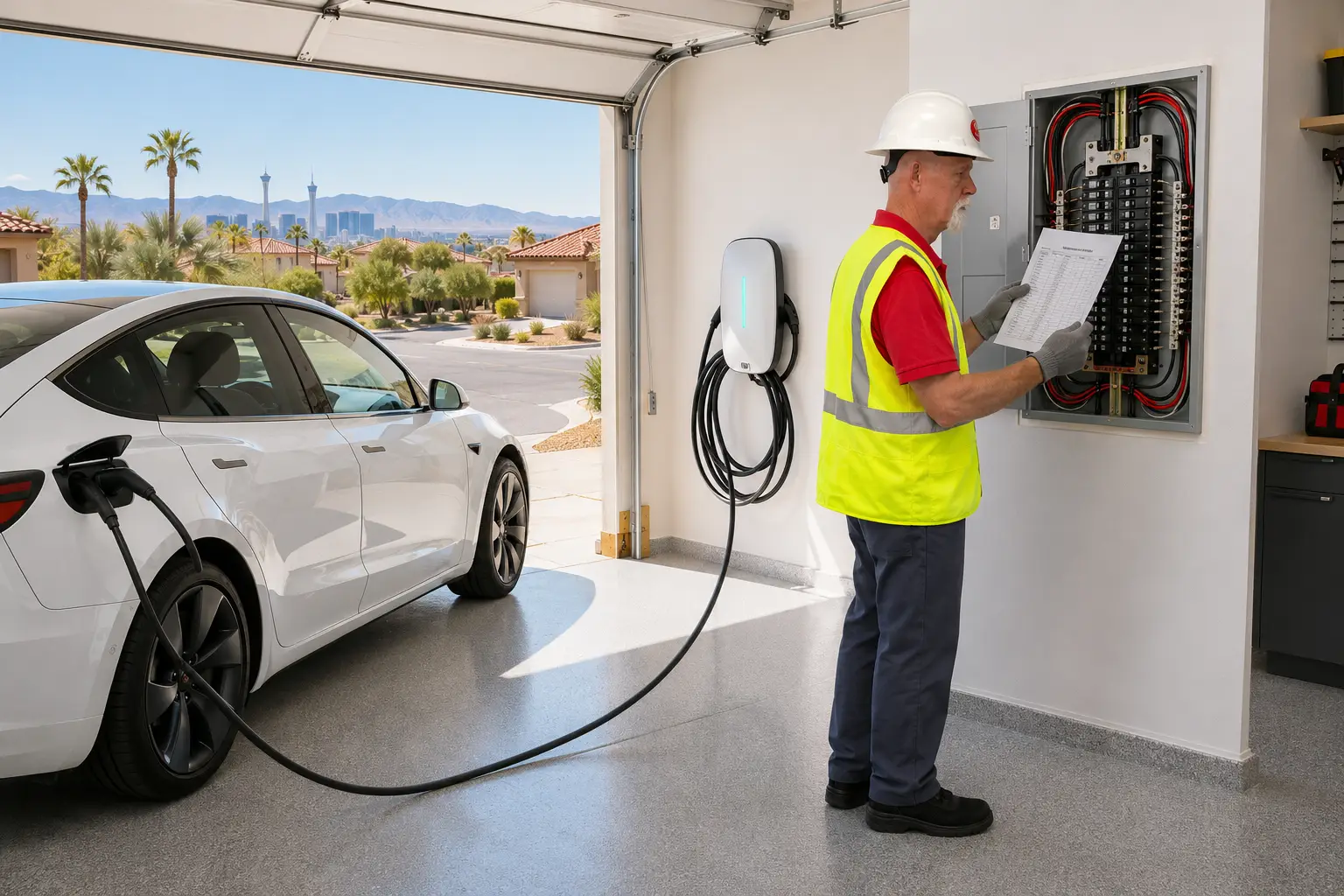
That’s important because circuit breakers are designed to shut off power when electrical flow exceeds safe limits. When they don’t trip properly, wires can overheat without interruption. In a city like Las Vegas, where older homes may now support modern appliances, EV chargers, and high-capacity HVAC systems, this added strain can amplify the concern.
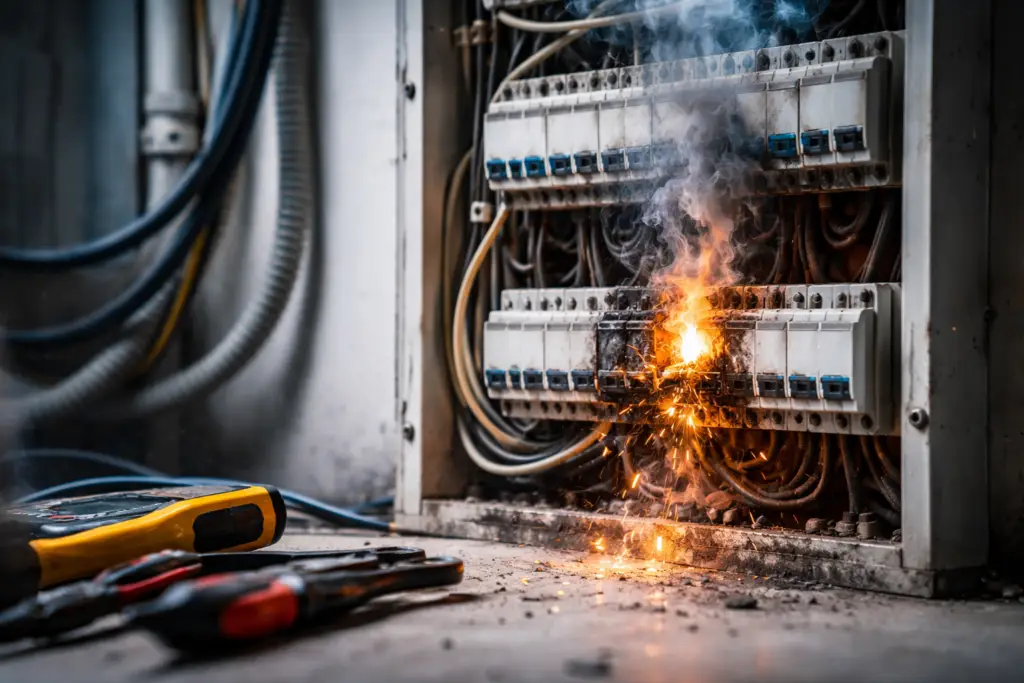
Why Is Breaker Failure a Serious Concern?
- Wiring may overheat
- Insulation can deteriorate
- Arcing may occur
- Fire risk increases
- The entire overcurrent protection system is compromised
Circuit breakers exist for one primary reason: safety. They prevent wiring from carrying more electrical current than it was designed to handle.
If a breaker fails to trip:
- Wiring may overheat
- Insulation can break down
- Electrical arcing can occur
- Fire risk increases
Electrical safety relies on proper overcurrent protection. When that protection is unreliable, the entire safety system is compromised.
In Las Vegas homes, especially those with older aluminum branch wiring or expanded electrical loads, the consequences can escalate quickly. High summer temperatures already stress electrical systems. Add aging components to the mix, and the margin for error shrinks.
How Breakers Are Supposed to Work
A properly functioning breaker monitors current flow. When amperage exceeds its rating, due to overload or a short circuit, it trips almost instantly, cutting power. This interruption prevents conductors from reaching temperatures that could ignite nearby materials.
When that fails to happen, hidden damage can build up behind walls long before visible warning signs appear.
Insurance Considerations in Nevada
- Higher premiums
- Coverage denial
- Required replacement before renewal
- Inspection documentation requests
- Increased scrutiny during underwriting
Insurance carriers increasingly assess electrical systems during underwriting, particularly in older homes. Panels with known reliability concerns may trigger additional review.
In Nevada, insurers may:
- Charge higher premiums
- Deny coverage
- Require panel replacement before renewal
- Request inspection documentation
Policies vary by carrier, but outdated panels are frequently reviewed more closely than modern installations. If you’re buying or refinancing a home in Las Vegas or surrounding areas, your lender or insurance provider may request confirmation that the electrical system meets current safety standards.
Being proactive can prevent last-minute delays during escrow or policy renewal.
Federal Pacific Panels and Las Vegas Homes
- Common in homes built 1950–1985
- Frequently found in original panel configurations
- Often undersized for today’s electrical demands
- May lack capacity for modern upgrades
- Found throughout Las Vegas and surrounding areas
Las Vegas experienced rapid development during the decades when FPE panels were commonly installed. Many homes in established neighborhoods still contain original equipment.
Today’s electrical demands are significantly higher than they were in the 1970s. Air conditioning systems are larger, kitchen appliances draw more power, and electric vehicle charging is becoming common. Older 100-amp panels, especially aging FPE models, may not be designed to handle these loads safely or efficiently.
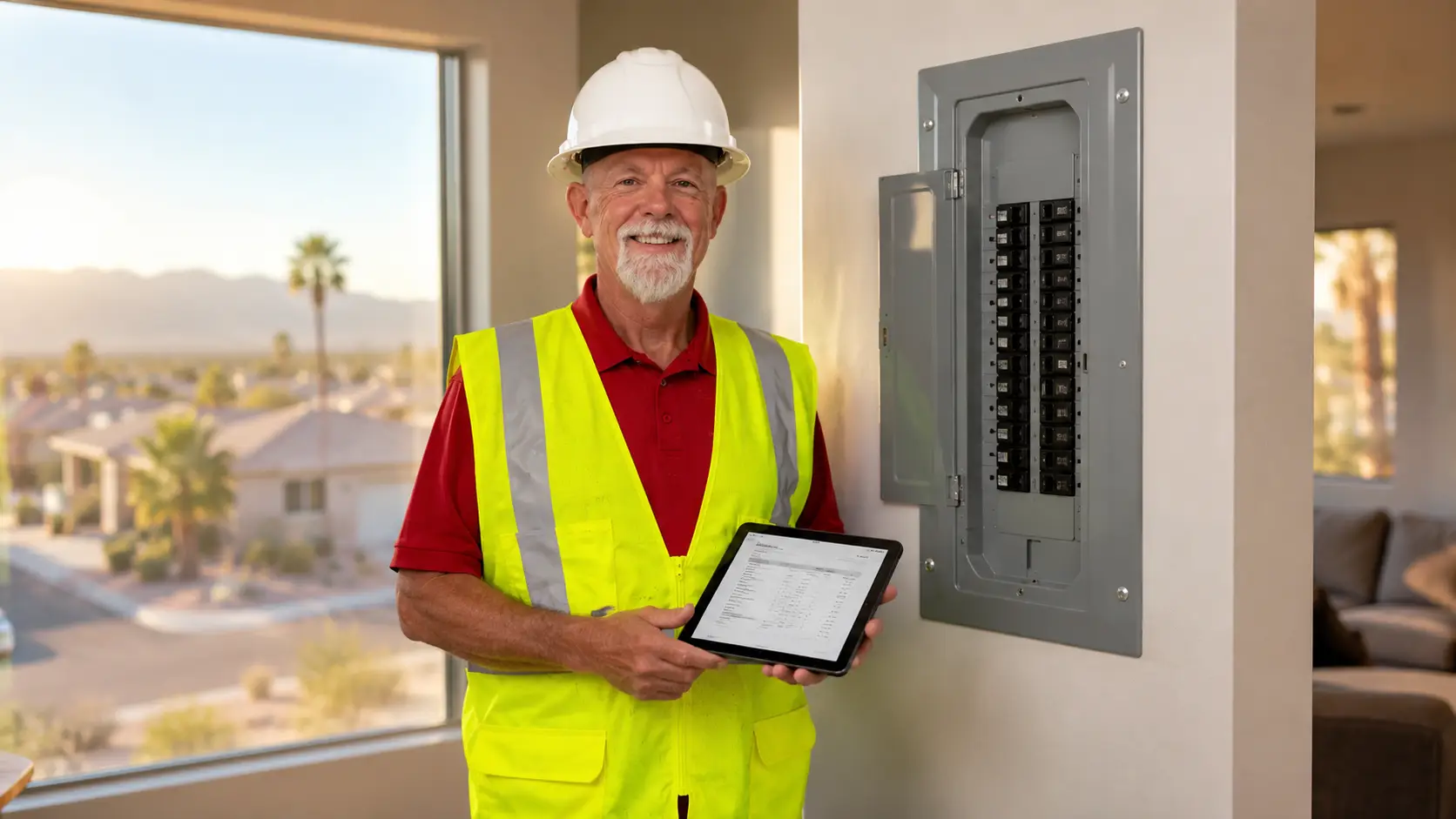
If your home still has its original panel, a licensed inspection can help determine whether it’s operating safely and whether upgrading would improve performance, safety, or insurability.
Should You Replace a Federal Pacific Panel?
- Depends on condition and inspection findings
- Consider home age and electrical load
- Evaluate insurance requirements
- Factor in future upgrades
- Consult a licensed electrician
Not every Federal Pacific panel is actively failing. However, due to the long-standing breaker performance concerns, many homeowners choose to replace them proactively.
You may want to consider replacement if:
- You’re remodeling or adding major appliances
- Your home still has its original 100-amp service
- You’re installing an EV charger
- Your insurer flags the panel
- You experience unexplained breaker behavior
Panel replacement upgrades your home’s safety foundation. It also provides capacity for future electrical needs; something especially valuable in fast-growing Las Vegas communities.
Professional Panel Inspections and Upgrades in Las Vegas
- Licensed evaluations
- Load calculations
- Code-compliant upgrades
- Permit coordination
- Service throughout Las Vegas and surrounding areas
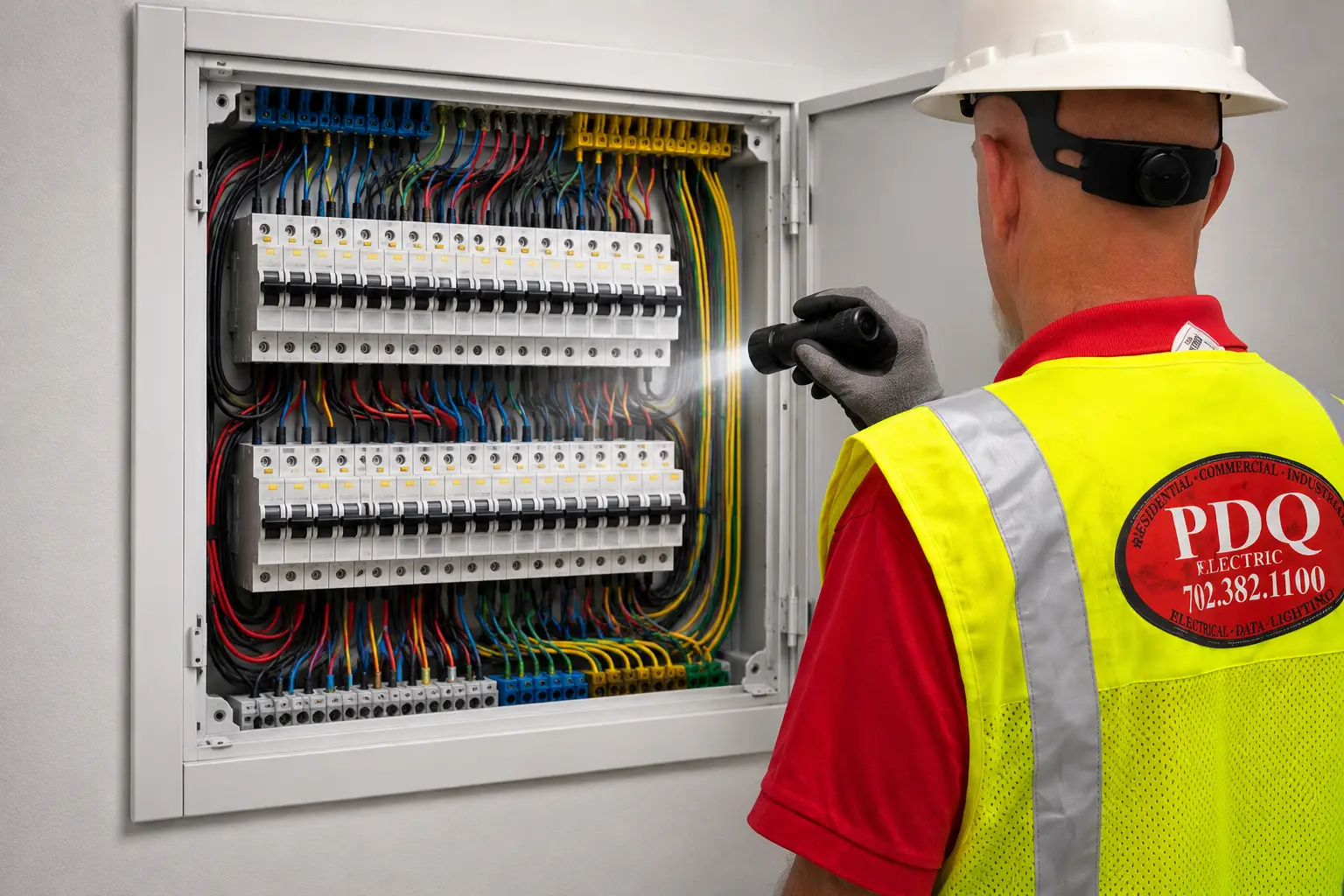
PDQ Electric provides licensed panel inspections and upgrades throughout Las Vegas and surrounding areas.
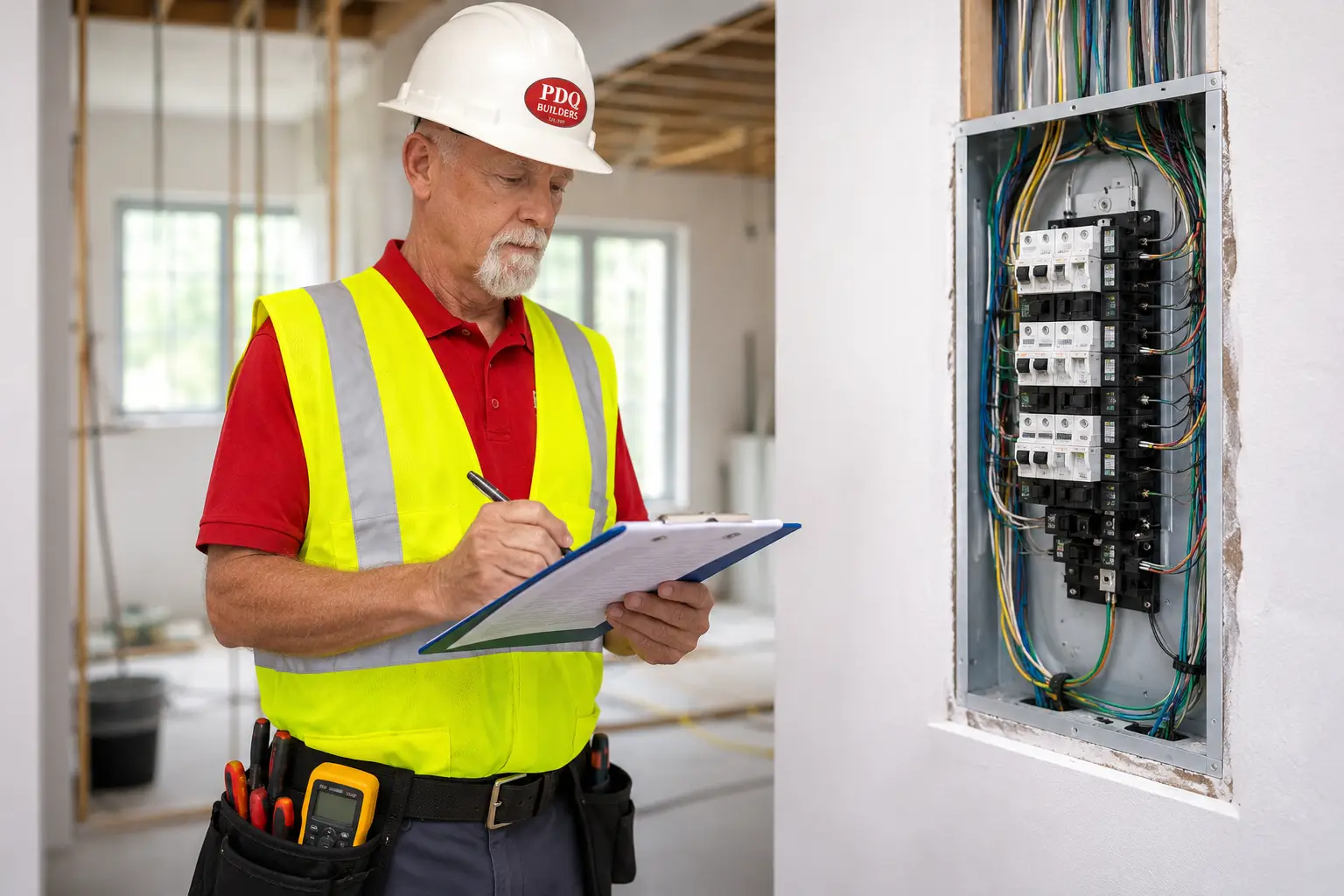
A professional evaluation includes assessing breaker performance, service capacity, wiring condition, and overall safety. If replacement is recommended, upgrades are performed to meet current National Electrical Code (NEC) standards and local Nevada requirements.
Electrical panels are not a DIY project. Proper permitting, grounding, bonding, and load balancing are critical for long-term safety.
Are Federal Pacific Panels Safe in Las Vegas Homes?
So, are Federal Pacific panels safe in Las Vegas homes?
While many remain in service, documented concerns about breaker reliability have led homeowners, inspectors, and insurers to approach them with caution. In a climate where electrical systems work hard year-round, ensuring dependable overcurrent protection is essential.
If your home was built between the 1950s and 1980s, a licensed inspection can provide clarity and peace of mind. PDQ Electric proudly serves Las Vegas and surrounding areas with professional panel inspections and modern upgrades designed to keep your home safe and future-ready.
FAQ
1. How do I know if I have a Federal Pacific panel?
Look inside your electrical panel door for the label “Federal Pacific” or “FPE,” often with the term “Stab-Lok.” A licensed electrician can confirm during inspection.
2. Are Federal Pacific panels illegal in Nevada?
They are not automatically illegal, but many insurers and inspectors recommend evaluation or replacement due to breaker performance concerns.
3. How much does panel replacement cost in Las Vegas?
Costs vary depending on amperage, service upgrades, and permit requirements. A licensed inspection provides accurate pricing based on your home’s needs.
4. Can I sell my home with an FPE panel?
Yes, but buyers and lenders may request replacement or negotiate repairs. Proactive upgrades can streamline the selling process.