
Your electrical panel quietly powers everything, from your AC during scorching Las Vegas summers to your daily device charging. But when demand exceeds capacity, problems start showing up. In fact, overloaded circuits are a leading cause of residential electrical fires, according to the Electrical Safety Foundation International .
Recognizing the signs of electrical panel overload early can protect your home, prevent costly damage, and keep your family safe. Let’s break down what to watch for and what it means for your home in Las Vegas, NV.
What Is an Electrical Panel Overload?
- What an electrical panel does
- How overloads happen
- Why modern homes stress older systems
- Risks of ignoring overload issues
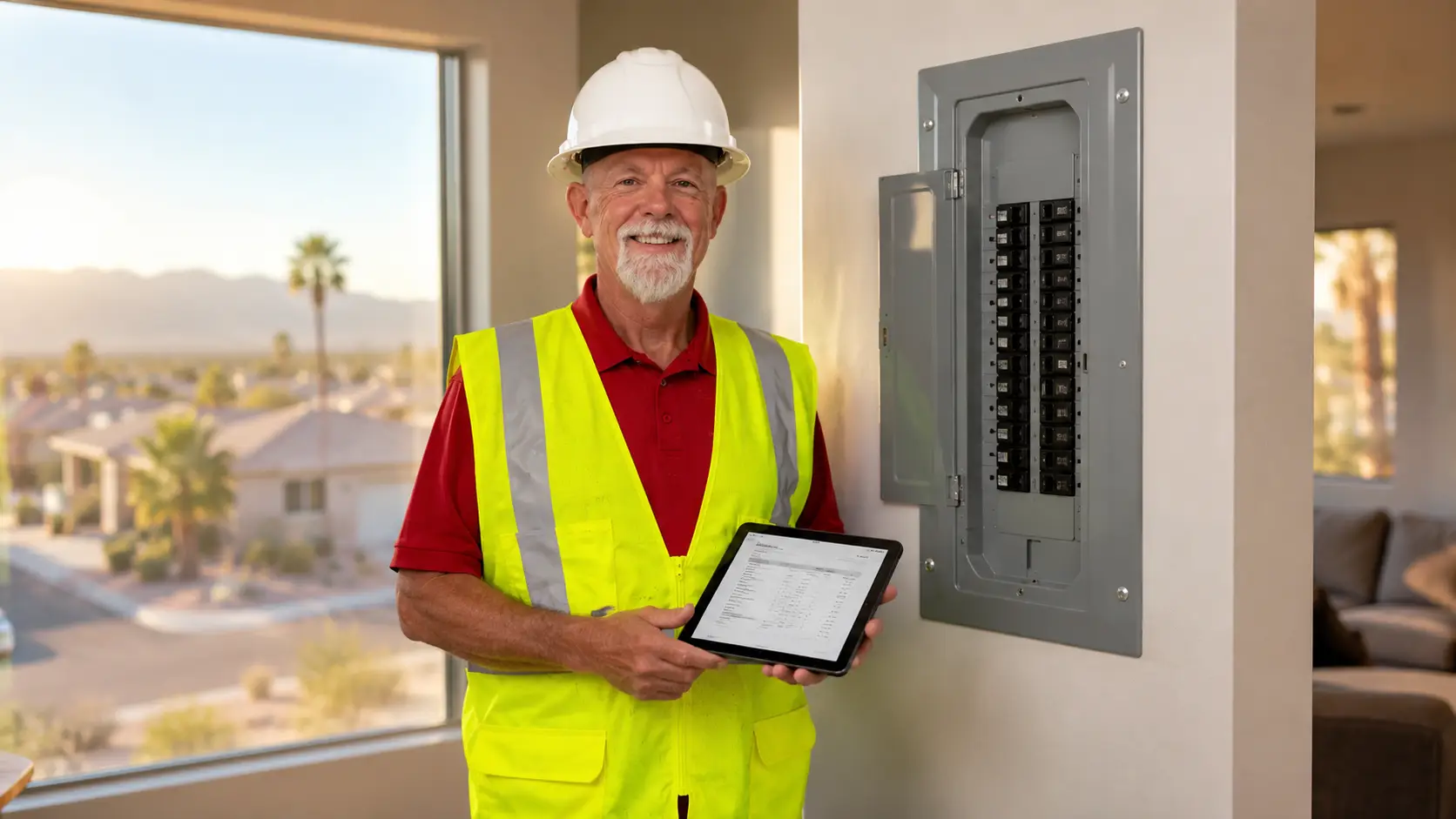
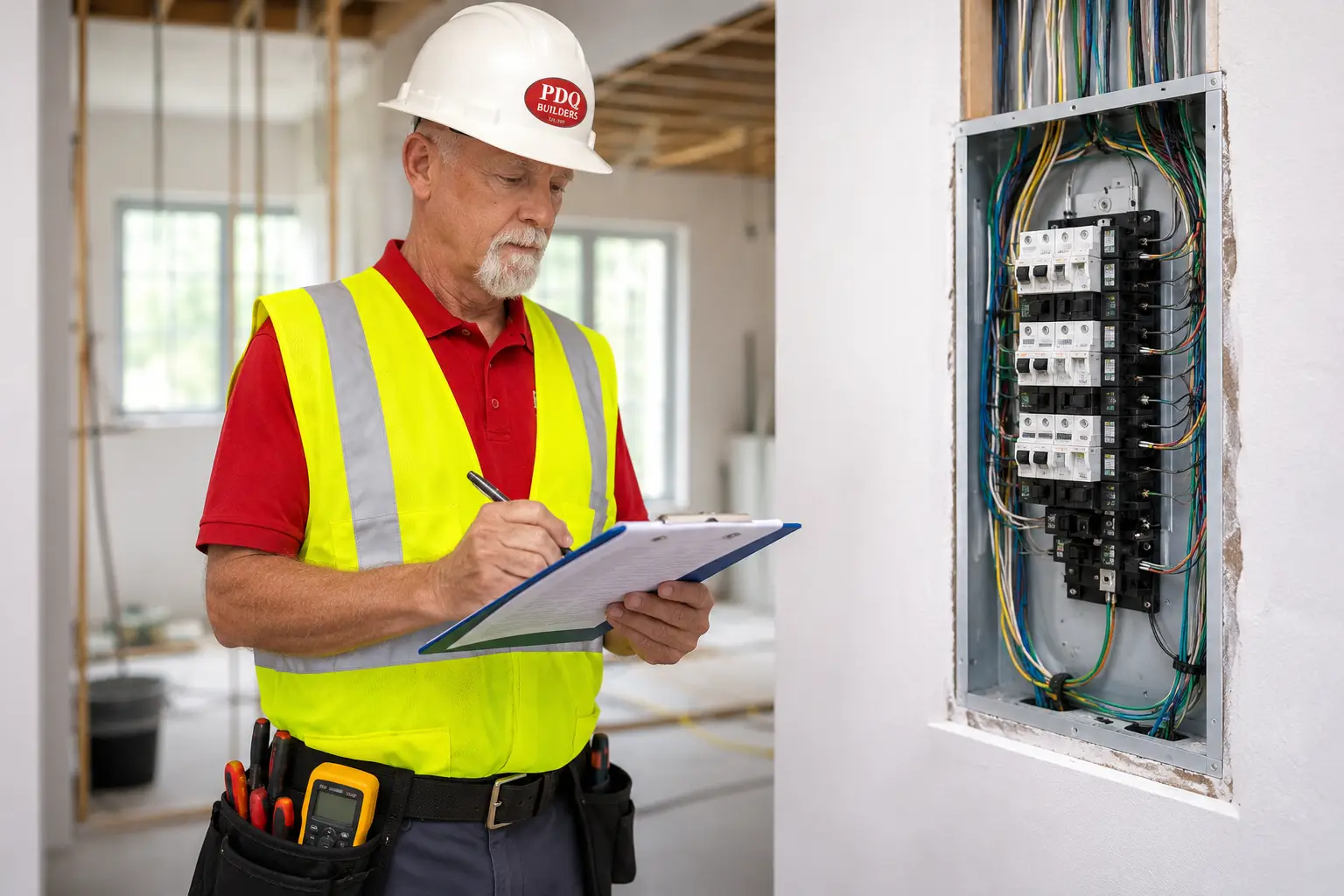
Your electrical panel is the central hub that distributes electricity throughout your home. It divides incoming power into circuits that feed your outlets, lighting, and appliances.
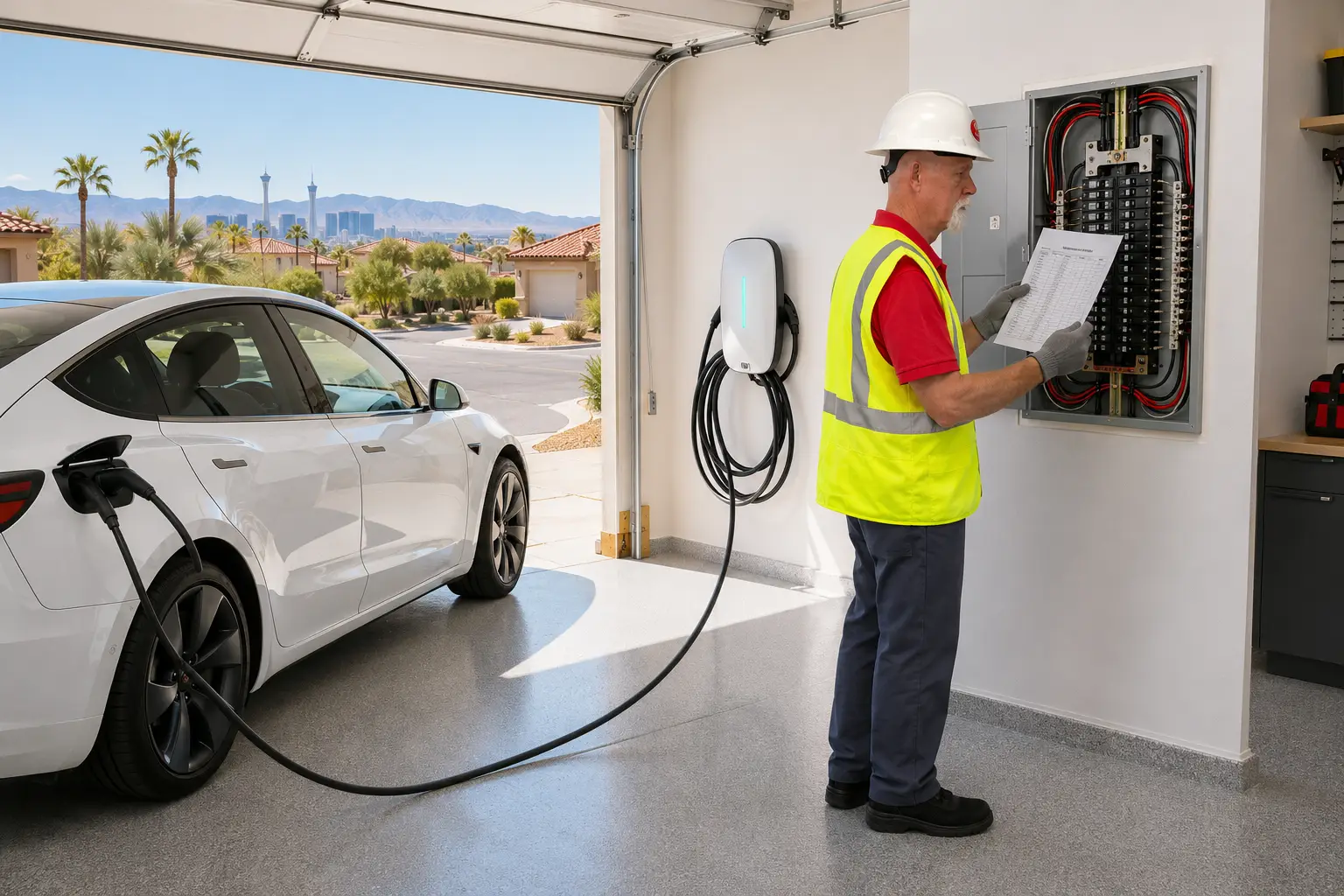
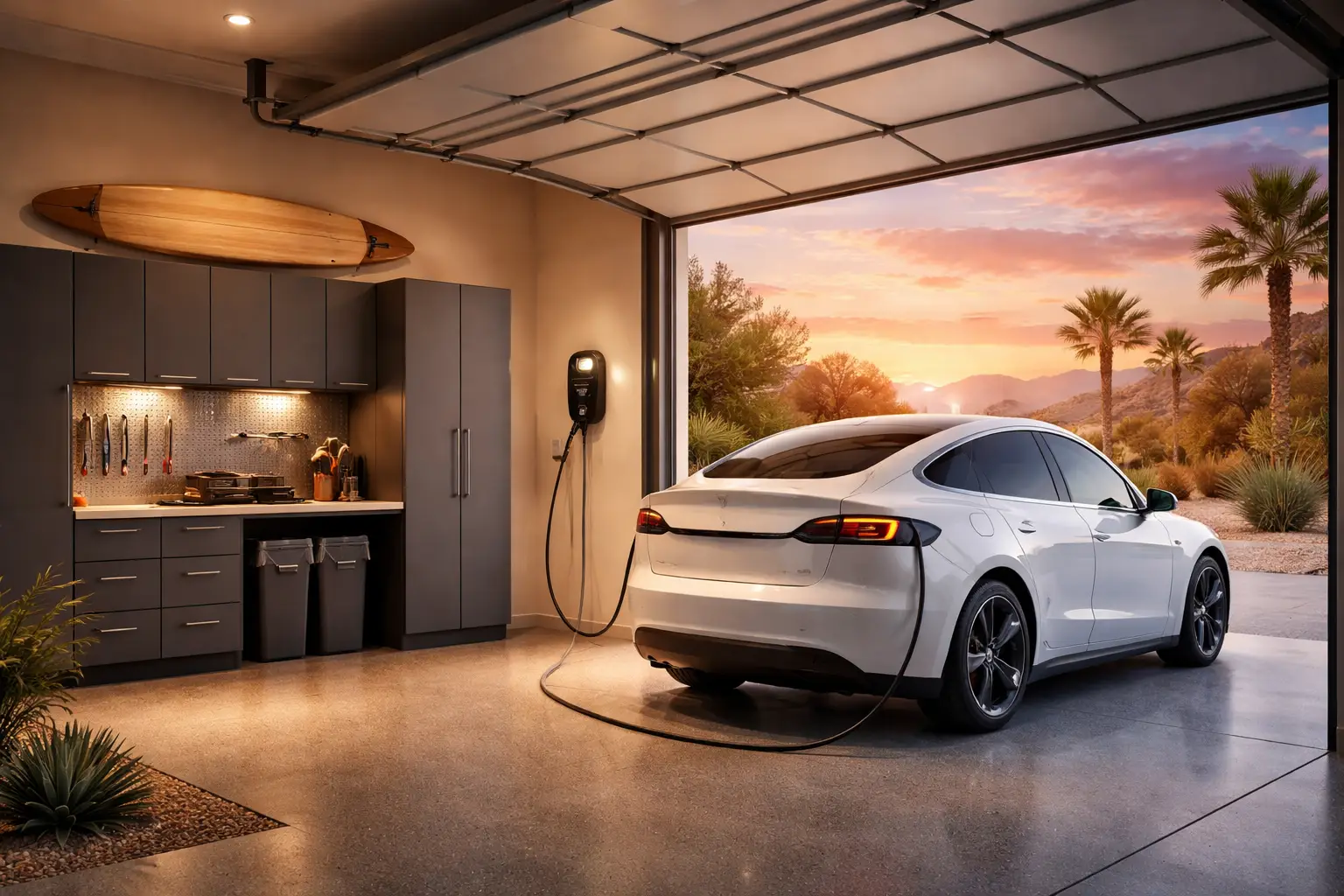
An overload occurs when your system is asked to deliver more electricity than it was designed to handle. This is especially common in older Las Vegas homes that weren’t built for today’s energy demands; hink EV chargers, multiple HVAC units, and smart home devices all running at once.
When too much current flows through your wiring, it creates heat. Over time, this can damage insulation, weaken connections, and increase the risk of electrical fires.
Ignoring these warning signs doesn’t just affect performance; it can become a serious safety hazard.
Common Signs of Electrical Panel Overload
- Frequent breaker trips
- Flickering or dimming lights
- Warm or hot panel cover
- Burning smell near the panel
- Limited breaker space
- Double-tapped breakers
One of the most obvious warning signs is frequent breaker trips. Your breakers are designed to shut off power when circuits overload, if this happens regularly, your system is under stress.
You might also notice lights flickering or dimming, especially when large appliances turn on. This signals inconsistent voltage, often tied to overloaded circuits.
A warm panel cover or a burning smell is more serious. These symptoms suggest overheating components or wiring, issues that should never be ignored.
Finally, limited breaker space or double-tapped breakers (two wires connected to one breaker) often indicate your panel is undersized for your needs. This is a common shortcut in older homes that can lead to unsafe conditions.
Quick Safety Checklist
- Do breakers trip weekly or more?
- Do lights dim when appliances start?
- Does your panel feel warm to the touch?
- Do you smell burning near outlets or the panel?
If you answered yes to any of these, it’s time to call a professional electrician.
Why Overloaded Panels Are Common in Las Vegas Homes
- Older housing stock with outdated panels
- High AC usage due to desert climate
- Increased demand from modern appliances
- Home additions and renovations
Las Vegas homes, especially those built decades ago, often have 100-amp panels that weren’t designed for today’s electrical load. Modern households typically require 150–200 amps or more to operate safely.
Add in the desert climate, where air conditioning runs nearly year-round, and your electrical system is under constant strain. Pools, EV chargers, and home offices only add to the load.
We also see overload issues in homes that have been remodeled without upgrading the panel. New circuits get added, but the main panel capacity stays the same, creating a bottleneck.
In short, your home may be outgrowing its electrical system.
What Happens If You Ignore an Overloaded Panel?
- Increased fire risk
- Damage to appliances and electronics
- Higher repair costs over time
- Potential code violations
An overloaded panel doesn’t fix itself, it gets worse over time. Excess electrical demand causes wires to overheat, which can melt insulation and create fire hazards.
You may also notice appliances wearing out faster or malfunctioning due to inconsistent power supply. Sensitive electronics are especially vulnerable.
In Las Vegas, where electrical systems work harder due to climate demands, delaying repairs can quickly turn into expensive damage or even an emergency situation.
There’s also the issue of code compliance. Electrical systems that are improperly modified or overloaded may not meet current safety standards, which can affect home sales or insurance coverage.
When to Call a Licensed Electrician
- Persistent warning signs
- Planning home upgrades or additions
- Running out of breaker space
- Concerns about safety or code compliance
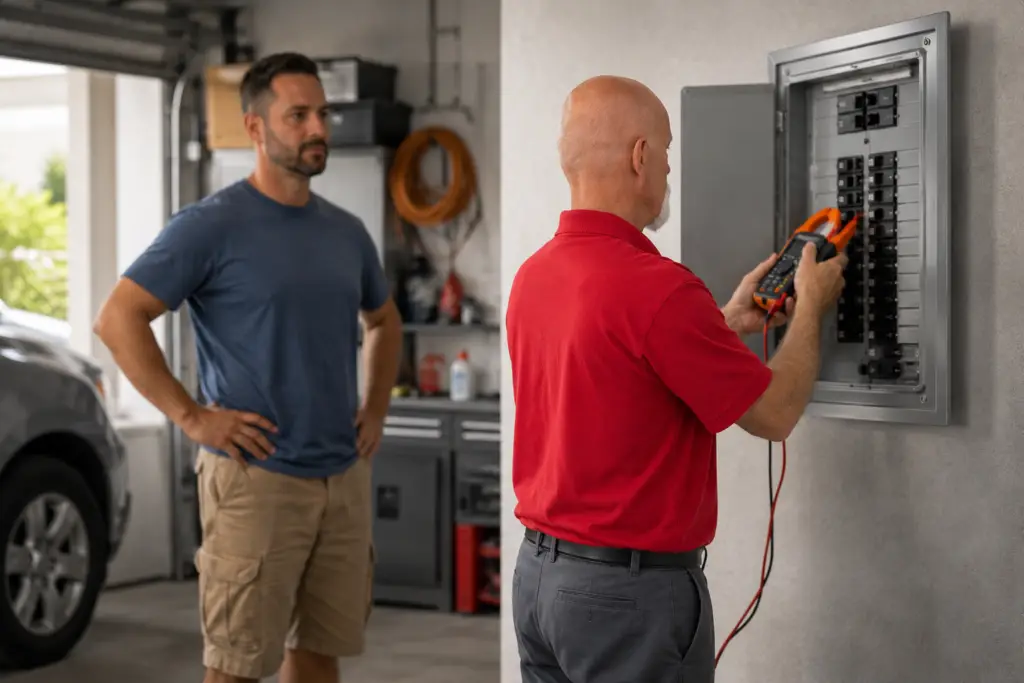
If you’re seeing any signs of electrical panel overload, it’s time to bring in a professional. A licensed electrician can perform a load calculation to determine if your panel is sufficient for your home’s needs.
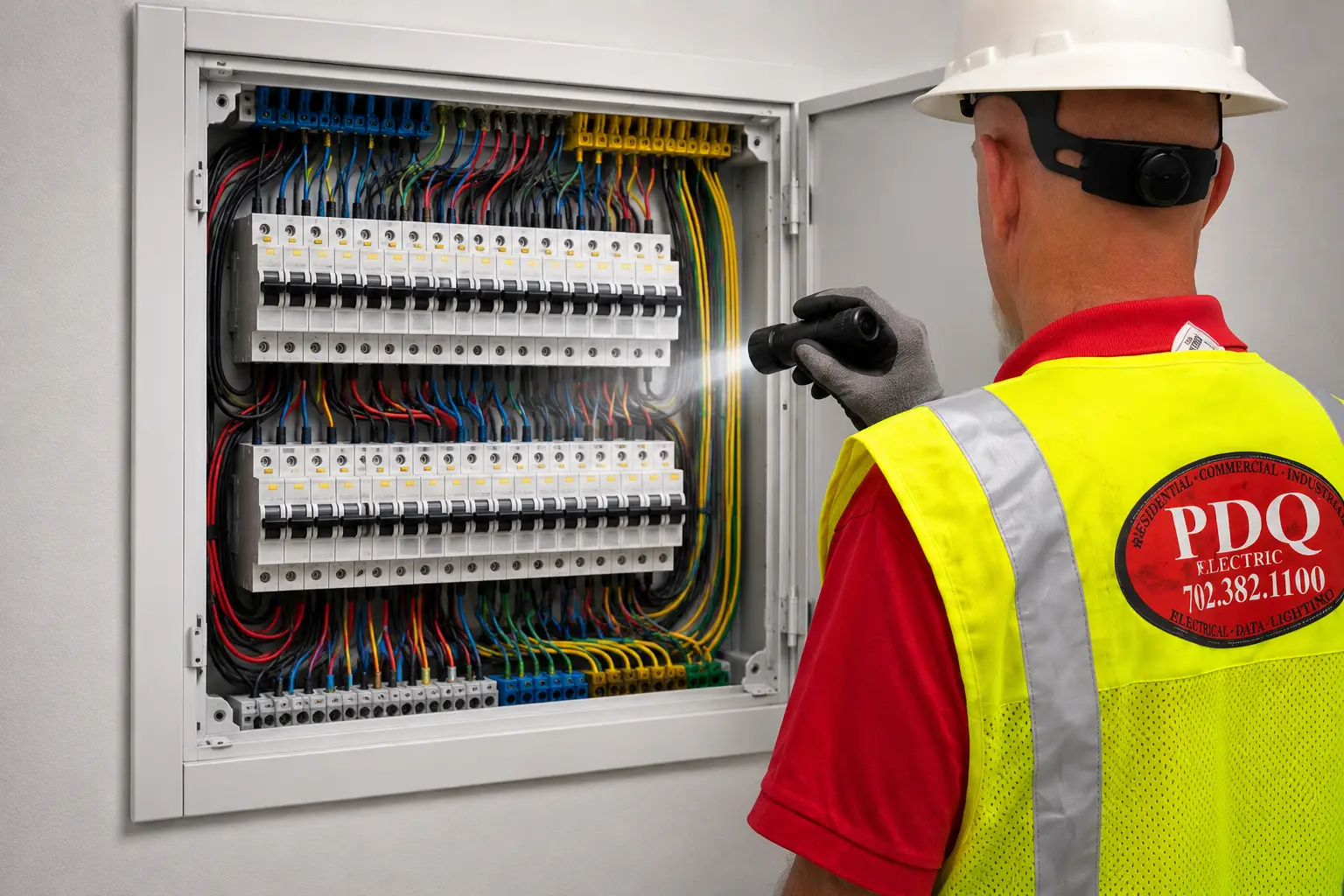
They can also inspect for unsafe conditions like double-tapped breakers or overheating components and recommend solutions, whether that’s redistributing circuits or upgrading your panel entirely.
In many cases, a panel upgrade not only improves safety but also increases your home’s value and future-proofs your electrical system.
At PDQ Electric, we provide expert panel evaluations and upgrades across Las Vegas and surrounding areas, ensuring your home stays safe and powered efficiently.
If you’ve noticed any signs of electrical panel overload, don’t wait for the problem to escalate. What starts as flickering lights or tripped breakers can quickly turn into a serious safety risk.
PDQ Electric proudly serves homeowners throughout Las Vegas, NV with professional panel inspections, load calculations, and upgrades. Contact us today to schedule an evaluation and make sure your electrical system is built to handle your home’s demands safely.
FAQ
1. How do I know if my electrical panel is overloaded?
Frequent breaker trips, flickering lights, and a warm panel are the most common signs. These indicate your system is handling more electricity than it was designed for.
2. Is an overloaded electrical panel dangerous?
Yes. Overloads can cause overheating, damaged wiring, and increase the risk of electrical fires if not addressed.
3. Can I fix an overloaded panel myself?
No. Electrical panel work is dangerous and should always be handled by a licensed electrician to ensure safety and code compliance.
4. How much does a panel upgrade cost in Las Vegas?
Costs vary depending on your home’s needs, but most upgrades range from $1,500 to $4,000. A professional inspection will provide accurate pricing.
5. Do older homes in Las Vegas need panel upgrades?
Often, yes. Many older homes weren’t built for today’s electrical demand and benefit from upgraded panels for safety and performance.