
When it comes to electricity, there’s no shortage of “shocking” myths that can get people into real trouble. From believing rubber shoes make you invincible to thinking low voltage means low danger, misinformation can lead to dangerous—and costly—mistakes.
Today, we’re debunking electrical hazards and clearing up the most common misconceptions about electricity so you can keep your home, family, and business safe.
Table of Contents
- Myth #1: Low Voltage Means Low Danger
- Myth #2: Rubber Shoes Protect You from Electrocution
- Myth #3: Power Lines Are Insulated
- Myth #4: Circuit Breakers Always Prevent Electrical Fires
- Myth #5: You Don’t Need to Turn Off Power for Small Fixes
- Understanding Electrical Safety: How to Stay Protected
- Frequently Asked Questions
- Call PDQ Electric for Safe, Reliable Service
Myth #1: Low Voltage Means Low Danger
Many people assume that “low voltage” equals “no big deal.” The truth? Even low voltage can cause severe injury or death under the right (or wrong) conditions.
Scenario:
You’re replacing a doorbell transformer rated at 24 volts. You think, “That’s harmless.” But your hands are sweaty from the Las Vegas heat, and that moisture can make your body a better conductor. A shock, even mild, can cause you to flinch and fall—especially if you’re on a ladder.
Reality Check:
According to the National Institute for Occupational Safety and Health (NIOSH), voltages as low as 50 volts can be fatal in the right circumstances .

Myth #2: Rubber Shoes Protect You from Electrocution
We’ve all seen cartoons where someone wears rubber gloves or boots and walks away from sparks unscathed. Unfortunately, that’s not real life.
Scenario:
A homeowner steps into their garage wearing rubber-soled sneakers and touches an exposed wire. Because most “rubber” shoes are actually made of synthetic materials mixed with carbon (which conducts electricity), they offer little to no protection.
Reality Check:
Unless you’re wearing industrial-grade insulating boots designed for electrical work, your shoes won’t save you.
Myth #3: Power Lines Are Insulated
It’s easy to assume those thick black cables hanging above your street are insulated. But most aren’t—they’re just coated to resist weather, not electricity.
Scenario:
A DIYer trimming palm trees in Pahrump thinks the power line overhead is “safe to brush.” One accidental touch can lead to a deadly shock.
Reality Check:
Overhead power lines are typically bare conductors, meaning any contact can result in serious injury or death . Always stay at least 10 feet away and call professionals for assistance.
Myth #4: Circuit Breakers Always Prevent Electrical Fires
While circuit breakers are designed to interrupt power during overloads, they aren’t foolproof. A faulty breaker or loose connection can still cause overheating behind walls.
Scenario:
A homeowner notices flickering lights but ignores them because “the breaker hasn’t tripped.” What they don’t realize is that arcing wires behind the drywall could be slowly burning insulation—a major fire hazard.
Reality Check:
Flickering lights, buzzing outlets, or a burning smell are all signs of electrical danger, even if your breakers haven’t tripped.
Myth #5: You Don’t Need to Turn Off Power for Small Fixes
Changing a light fixture or outlet cover without cutting the power might feel harmless—but one wrong move can deliver a serious shock.
Scenario:
Someone swaps out a ceiling light “real quick” without flipping the breaker. The wire brush hits a live terminal, and zap! Even if the shock isn’t fatal, it could cause burns or nerve injury.
Reality Check:
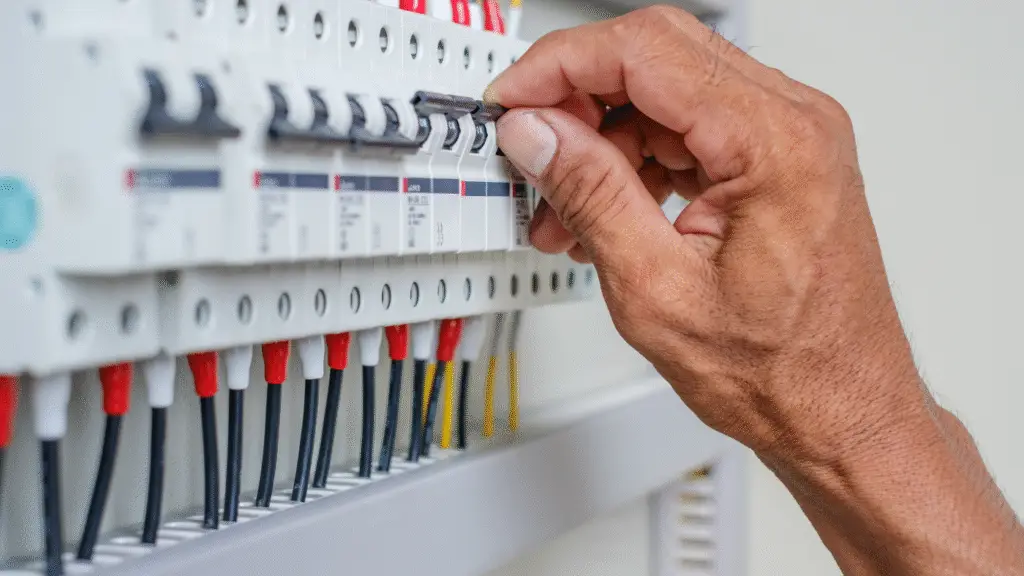
Always shut off the power at the breaker panel before doing any electrical work, no matter how small it seems.
Understanding Electrical Safety: How to Stay Protected
When it comes to understanding electrical safety, the best defense is awareness. Don’t rely on myths or YouTube hacks—always follow professional guidelines.
Here’s how you can stay safe:
- Schedule annual electrical inspections.
- Replace outdated outlets with GFCI or AFCI protection.
- Never overload outlets or extension cords.
- Keep cords and appliances away from water.
- Hire a licensed electrician for repairs or upgrades.
Frequently Asked Questions
1. What is the most common cause of electrical accidents at home?
Faulty wiring, overloaded circuits, and DIY electrical work are leading causes of home electrical accidents.
2. Can low-voltage outdoor lighting shock you?
Yes. Moisture and improper installation can make even low-voltage systems dangerous.
3. Are older homes more prone to electrical hazards?
Absolutely. Outdated wiring, aluminum conductors, and ungrounded outlets are all red flags that increase risk.
4. How often should I have my electrical system inspected?
At least once every 3–5 years, or anytime you notice signs of trouble such as flickering lights or frequent breaker trips.
Call PDQ Electric for Safe, Reliable Service
Don’t let electrical safety myths put your home or business at risk. At PDQ Electric, our licensed professionals know how to spot hazards before they spark a problem.
If you’re ready to schedule an inspection or upgrade your electrical system, call PDQ Electric today. We’ll help you stay safe, smart, and shock-free—literally.
Call (702) 555-1234 to book a service now.
Sources:
[1] National Institute for Occupational Safety and Health (NIOSH) – “Electrical Safety” (CDC.gov)
[2] U.S. Department of Labor, OSHA – “Overhead Power Lines Safety”